
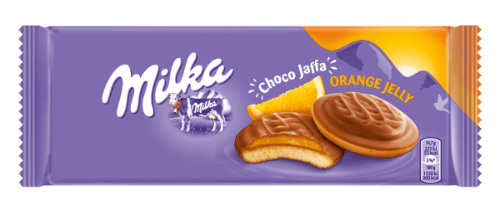
Cookies MILKA Jaffa, with orange filling, 147 g
Unlock Full Product Analysis
Get AI-powered ingredient breakdowns, personalized health insights, and smarter food choices — all inside Telegram.
Noticed incorrect or incomplete information about this product?
Report a problem?
Similar Products
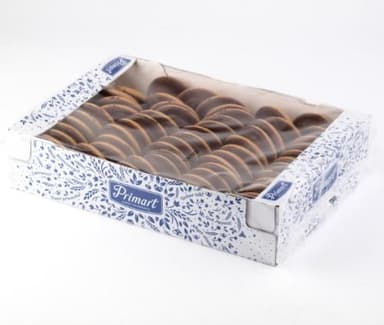
Cookies PRIMART, with raspberry filing, 0,9 kg
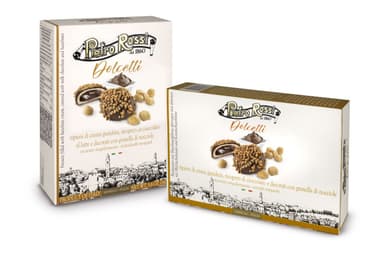
Biscuits PIETRO ROSSI Aolcetti, with chocolate, 160 g
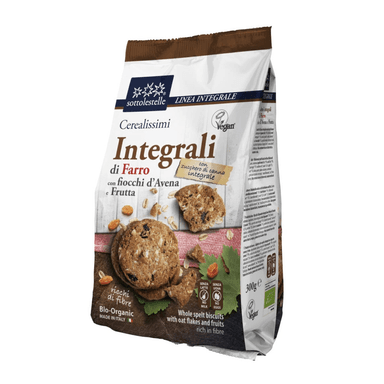
Whole Spelt Cookies with Oats and Fruits, Organic
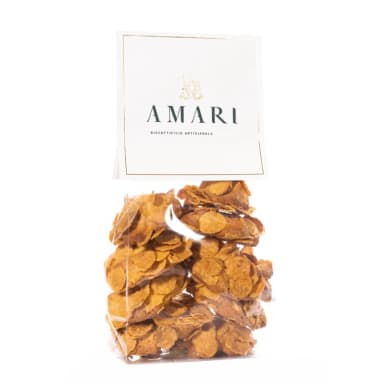
Cookies with chocolate chips CARLETTI CIOCCOLATO
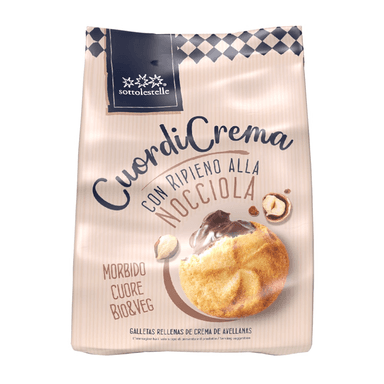
Cookies with hazelnut cream CUOR DI CREMA, organic
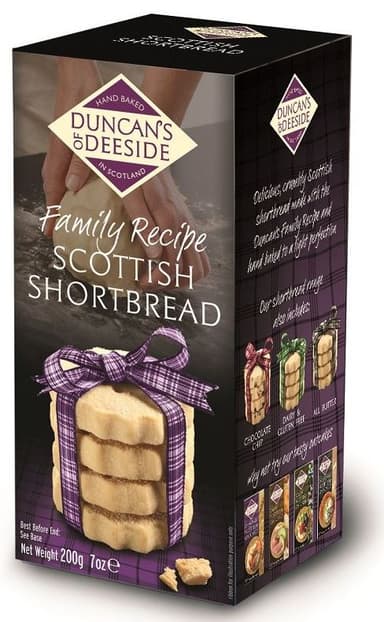
Biscuits DUNCAN'S OF DEESIDE Family recipe, 200 g
Organic spelt cookies with dark chocolate
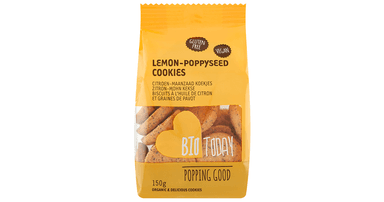
Cookies with lemons and poppy seeds, gluten-free, organic
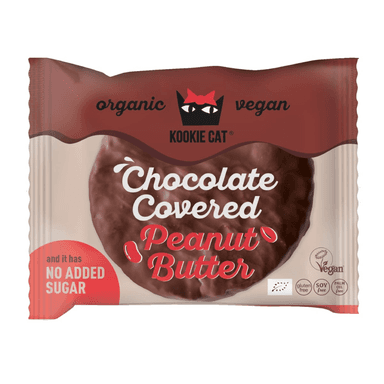
Organic chocolate-covered cookie with peanut butter
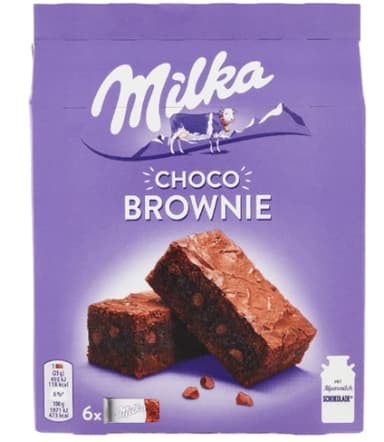
Soft cakes with chocolate MILKA Choco Brownie, 150 g
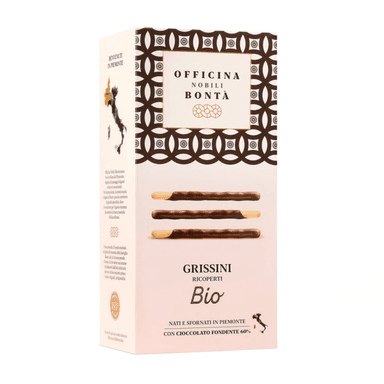
Chocolate-covered Grissini Sticks, organic
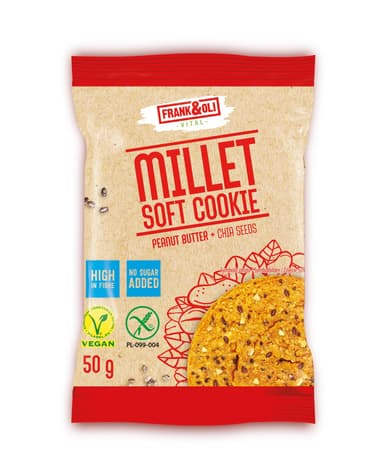
Vegan Millet cookies FRANK&OLI, with peanut butter and chia seeds,50g
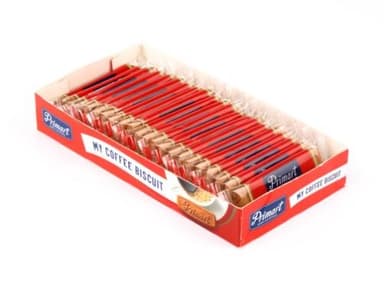
Biscuits PRIMART My Coffee, 7,2 g x 25 pcs
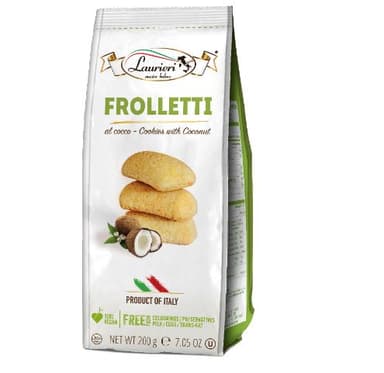
Italian biscuits LAURIERI Frolletti, with coconut, 200 g
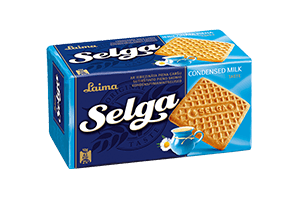
Condensed milk flavored cookies SELGA, 180g
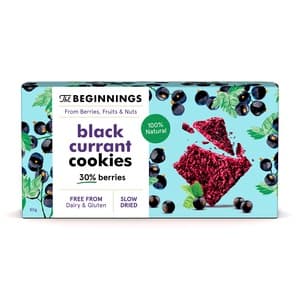
Vegan biscuits THE BEGINNINGS, with black currants, 80 g
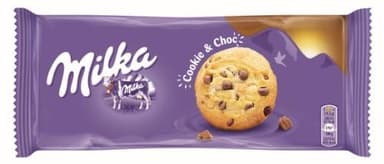
Biscuits MILKA, Choco, 135 g
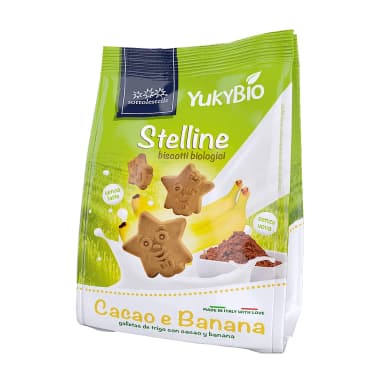
STELLINE organic cocoa and banana cookies
Cookies TWIST, 155 g
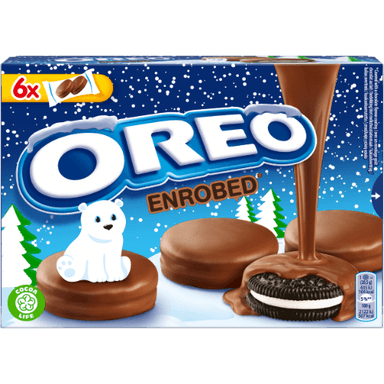
Biscuits OREO with milk chocolate 246g
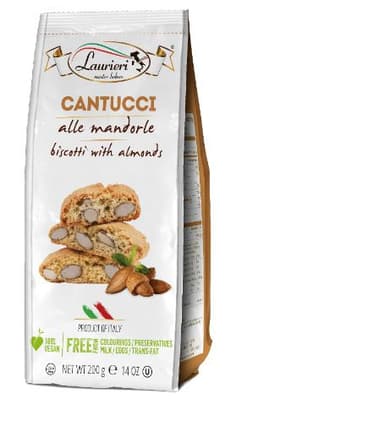
Italian biscuits LAURIERI Cantucci, with almonds, 200 g
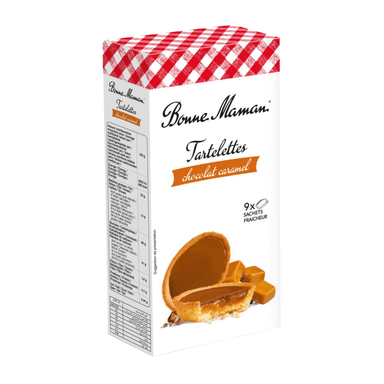
Cookies with chocolate and caramel filling TARTLETS CHOCOLAT CARAMEL
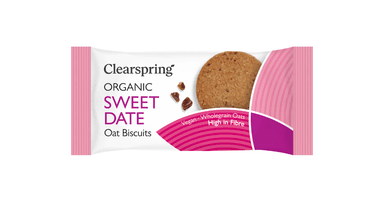
Organic oat cookies with dates
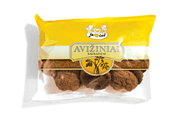
Oatmeal cookies, 200 g
