
Chewing gum ORBIT White Spearmint, 14 g
232 people viewed this product
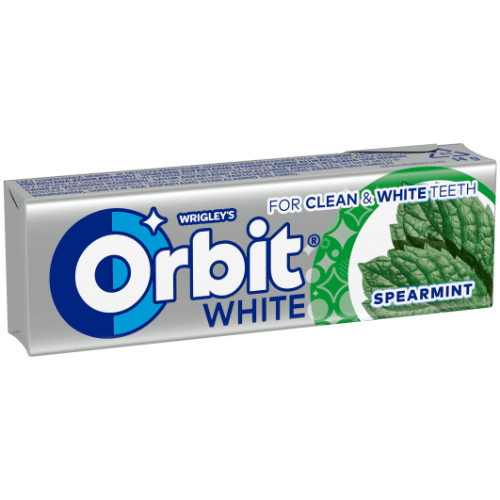
Chewing gum ORBIT White Spearmint, 14 g
Unlock Full Product Analysis
Get AI-powered ingredient breakdowns, personalized health insights, and smarter food choices — all inside Telegram.
Noticed incorrect or incomplete information about this product?
Report a problem?
Similar Products
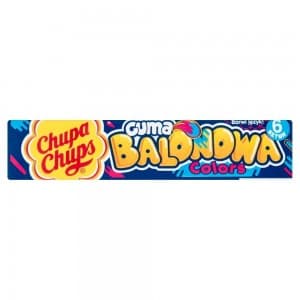
Chewing gum CHUPA CHUPS colors, 26,7g
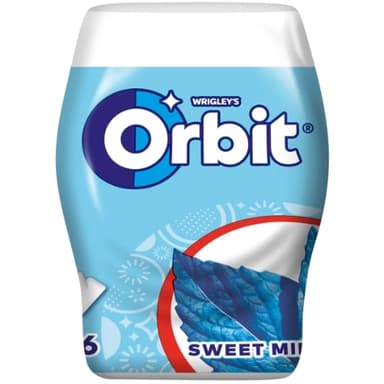
Chewing gum with sweeteners ORBIT sugar-free sweet mint flavor, 64g
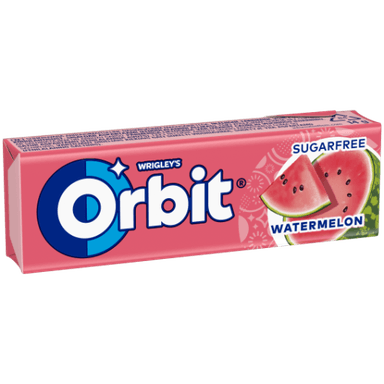
Chewing gum ORBIT Watermelon, 14 g
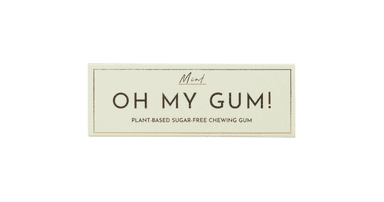
Sugar-free chewing gum, mint flavor
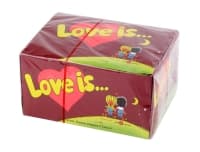
Bubble gum LOVE IS Cherry-lemon, 100 pcs.
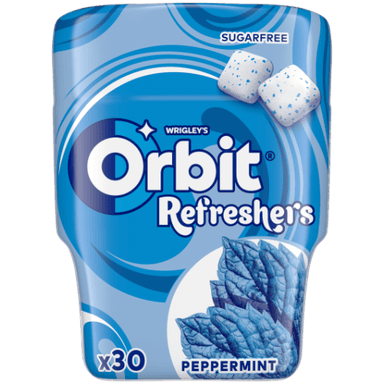
Chewing gum ORBIT Refreshers Peppermint, 67g
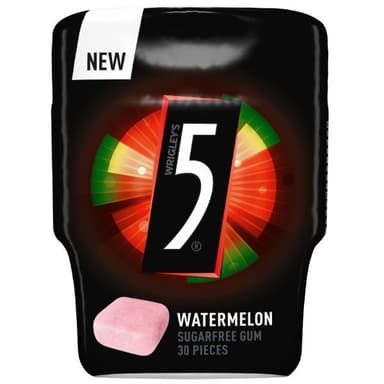
Chewing gum FIVE Watermelon, 61,9 g
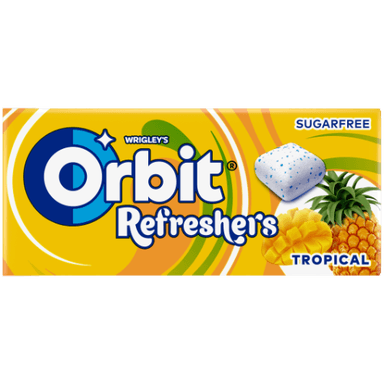
Chewing gum ORBIT Refreshers, fruit flavor, sugar-free, 15,6 g
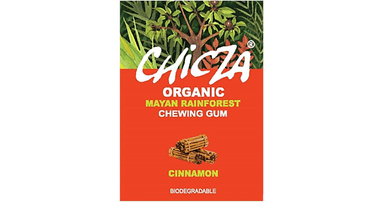
Cinnamon chewing gum, ecological
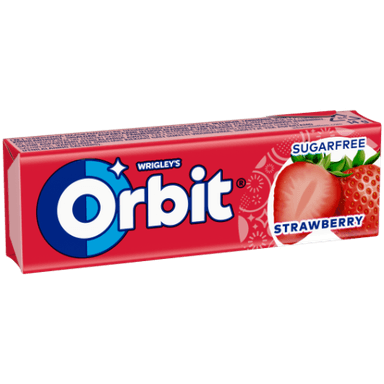
Chewing gum ORBIT Wild Strawberry Stickpack, 14 g
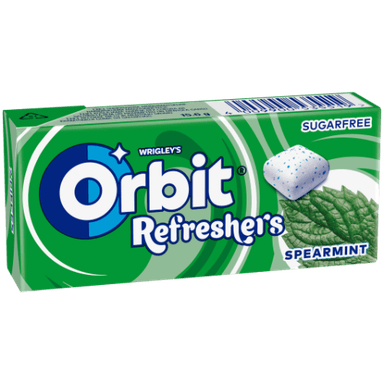
Chewing gum ORBIT sugar-free mint flavor, refreshers, 15.6 g
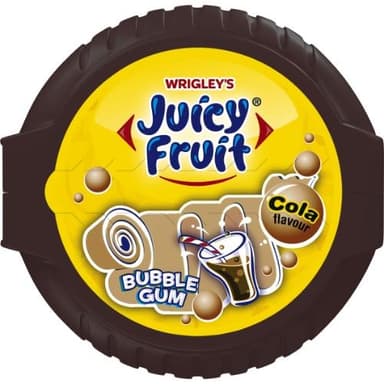
Juicy Fruit Cola tape (12x15)
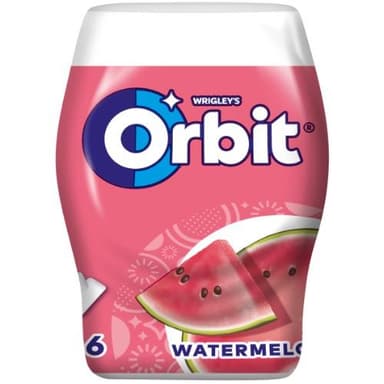
Chewing gum ORBIT, sugar-free watermelon flavor with sweeteners, 64 g
Orbit Watermelon Chewing Gum, 58 g
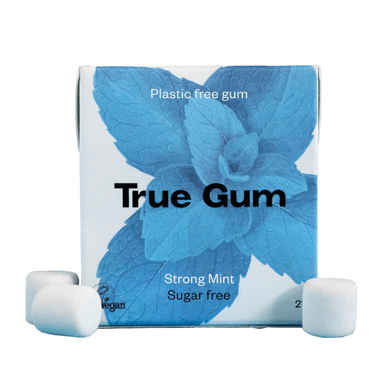
TRUE GUM STRONG MINT sugar-free chewing gum
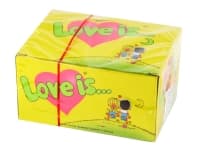
Bubble gum LOVE IS Strawberry - banana, 100 pcs.
Sugar-free chewing gum with xylitol, cherry flavor
Sugar-free chewing gum with xylitol, cinnamon flavor
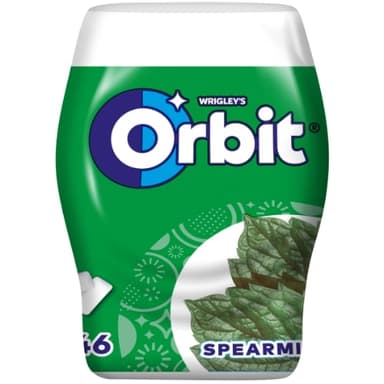
Chewing gum with sweeteners ORBIT sugar-free mint flavor spearmint, 64g
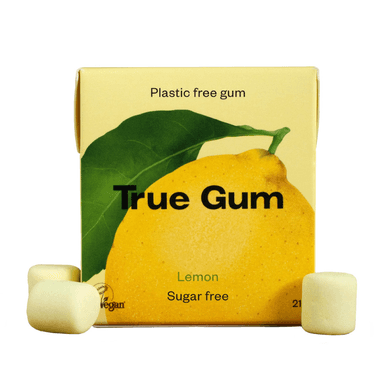
TRUE GUM LEMON chewing gum, sugar-free
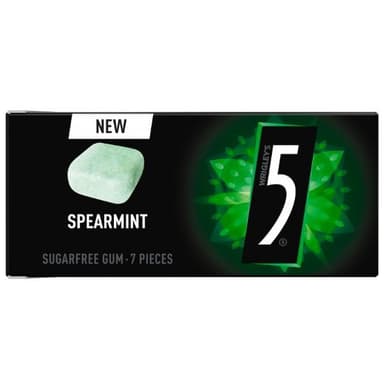
Kramtomoji guma FIVE Spearmint, 7vnt, 14 g
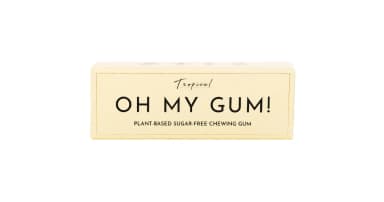
Sugar-free chewing gum with xylitol, tropical fruit flavor
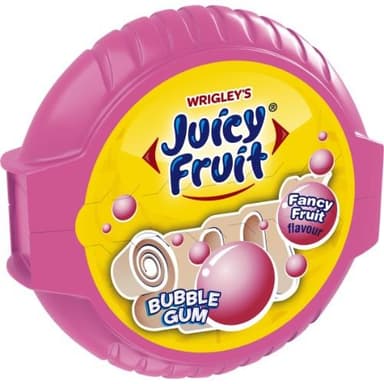
Juicy Fruit Fancy Fruit Tape (12x15)
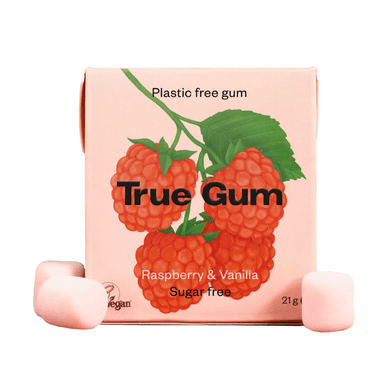
Chewing gum TRUE GUM RASPBERRY & VANILLA, sugar-free
