
/
Meat fish and culinary preparation
/Meat products
/Sausages hot dogs
/Cooked sausages RAGNOS MOKSLEIVIŲ, in gas, ~1,54 kg
Cooked sausages RAGNOS MOKSLEIVIŲ, in gas, ~1,54 kg
104 people viewed this product
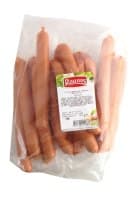
Cooked sausages RAGNOS MOKSLEIVIŲ, in gas, ~1,54 kg
Unlock Full Product Analysis
Get AI-powered ingredient breakdowns, personalized health insights, and smarter food choices — all inside Telegram.
Noticed incorrect or incomplete information about this product?
Report a problem?
Similar Products

Lihakas smoked cheese sausage
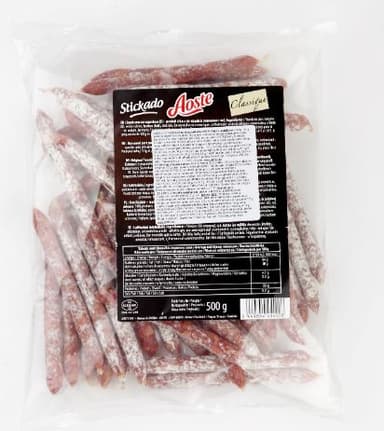
Dried pork sausages AOSTE Classic Sticks, 500g
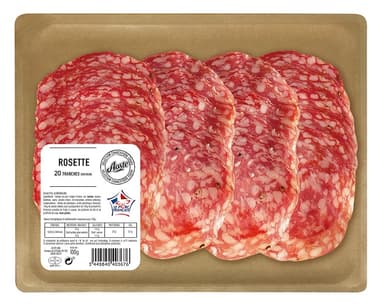
Dried pork sausages AOSTE Rosette, sliced, I.r, 100g
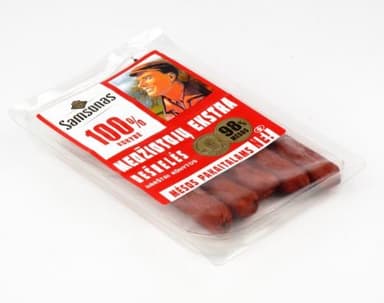
Hot smoked sausages Samsono Hunters Extra, e.c., 200 g
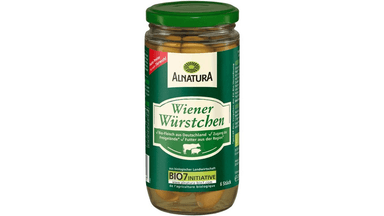
Alnatura Bio-Wiener Sausages, 390 g

Dried pork sausages AOSTE SNACK'IN Classic Sticks, 50g
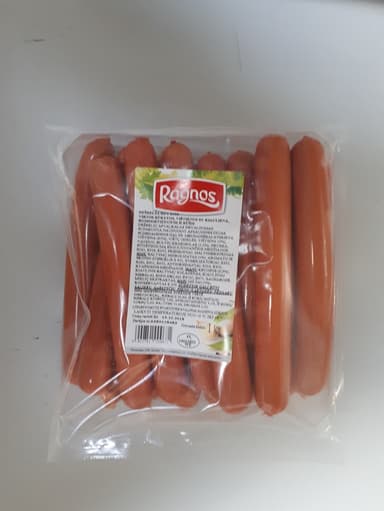
Hot dog sausages RAGNOS, 1 kg
MINI hot-smoked shanks, 500g
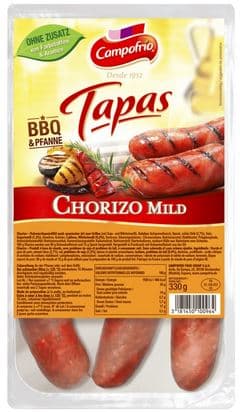
Cooked pork sausage CAMPOFRIO Chorizo BBQ mild, 330g
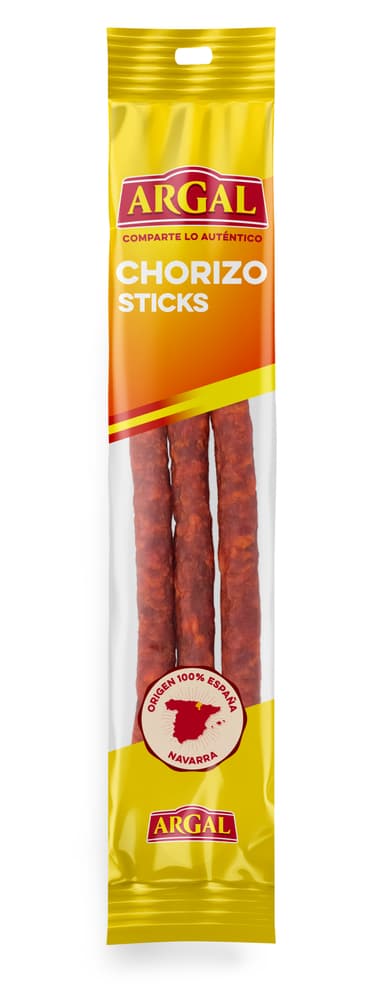
Dried sticks CHORIZO, extra, 150 g
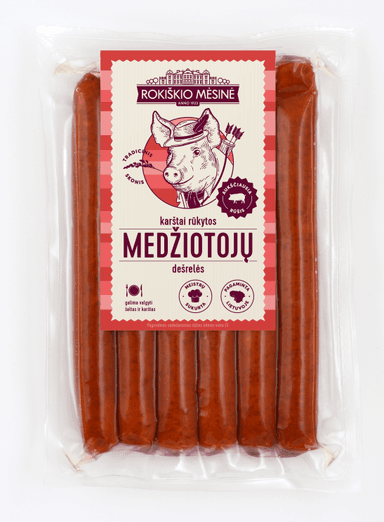
Hot-smoked sausage Medziotoju, extra class, 260g

Boiled MAŽYLIŲ sausages, with turkey, vit. D, iodized salt, a.r., 210g
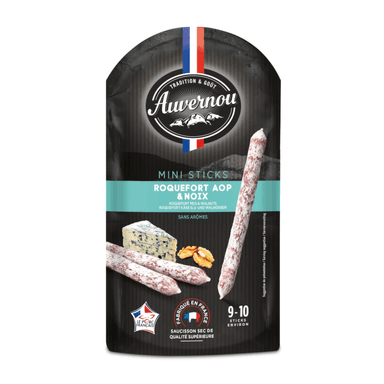
Mini pork sausages with Roquefort cheese and walnuts

Boiled pork sausages BIOVELA, with bacon, a.r., 440 g
Zimbo Ham Onion Mettwurst, 120 g

Cooked milk sausages BIOVELA, Premium quality

Hot smoked sausages Medziotoju, 325 g

Karni 120g Sliced Royal Full Smoked Sausage
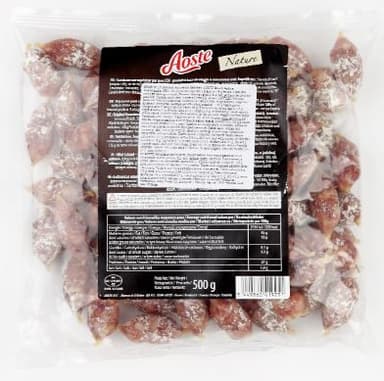
Dried pork sausages AOSTE bites Classic , 500g
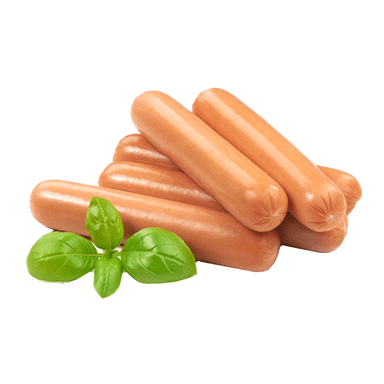
Creamy venison and veal sausages TAURIOSIOS
Boiled wieners PAGAMINTA BE KONSERVANTU, 240 g
Cured Sausages KABANOSY DŪZGĖS, 100 g
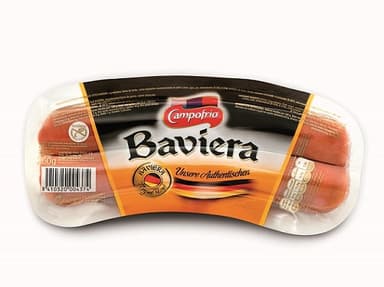
Boiled and smoked pork and poultry sausages CAMPOFRIO Baviera, 260 g, 3 pcs

Hot smoked chicken kabanos sausages, 100 g
