
KLAIPĖDA hot-smoked salami 500g
102 people viewed this product
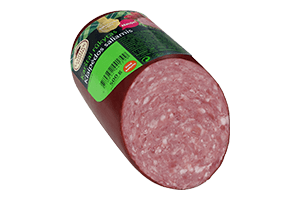
KLAIPĖDA hot-smoked salami 500g
Unlock Full Product Analysis
Get AI-powered ingredient breakdowns, personalized health insights, and smarter food choices — all inside Telegram.
Noticed incorrect or incomplete information about this product?
Report a problem?
Similar Products
Cooked pork sausage CAMPOFRIO Chorizo BBQ hot, 330g
Boiled wieners PAGAMINTA BE KONSERVANTU, 240 g

Maks&Moorits, Classic Super snack
Sausages HOTDOG chicken, 1 kg
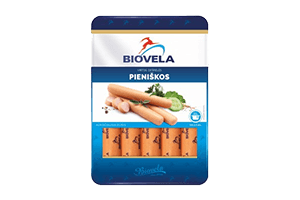
Boiled dairy sausages by Biovela 260 g
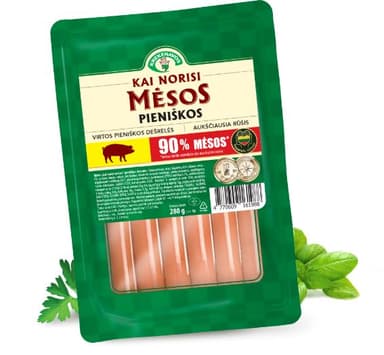
Cooked sausages KAI NORISI MĖSOS, vacuum, 280 g, Extra Class
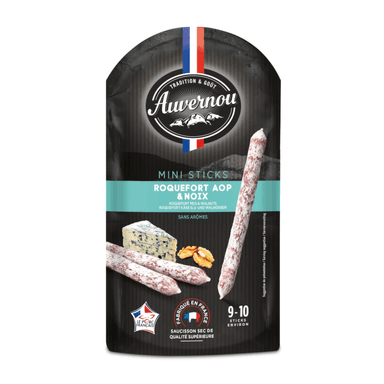
Mini pork sausages with Roquefort cheese and walnuts
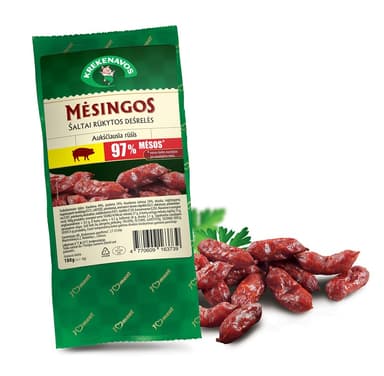
Cold smoked sausages KAI NORISI MĖSOS, 180 g
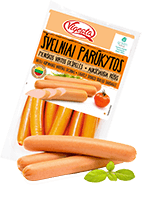
Milk-based gently smoked sausages, 370 g
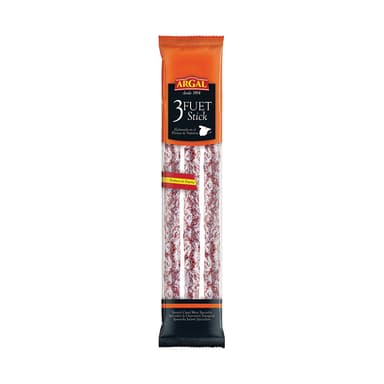
Dried sticks FUET, extra, 150 g
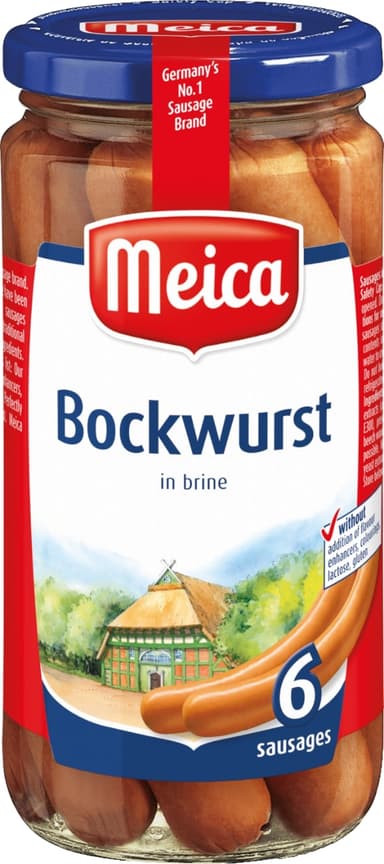
Boiled sausages MEICA Bockwurst, in a jar, 180 g
Boiled mini sausages GIMINIU, in bags, ~0,9 kg
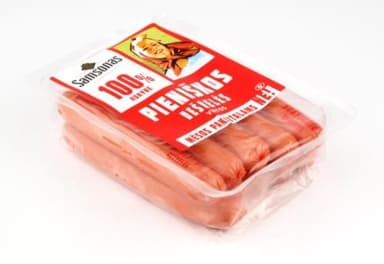
Frankfurters Samsono pieniškos, e.c., 620 g
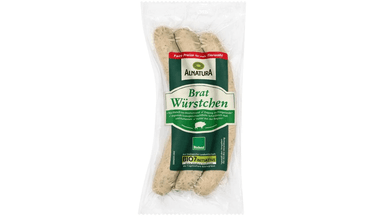
Alnatura Bio-Bratwurst Sausages

Rakvere Lihakas Lastevorst (Children's Sausage)
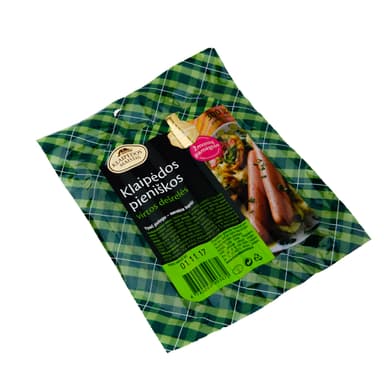
Frankfurters KLAIPĖDOS, in vacuum, 300 g
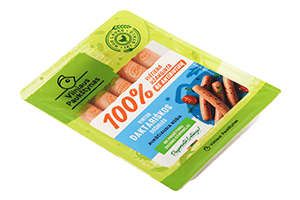
DAKTARIŠKOS boiled sausages without antibiotics, 250g

Boiled pork sausages BIOVELA, with bacon, a.r., 440 g
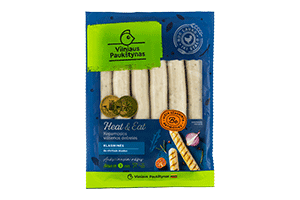
CLASSIC baked chicken sausages, 495 g
Boiled Klaipedos sausages RAGNOS, kg
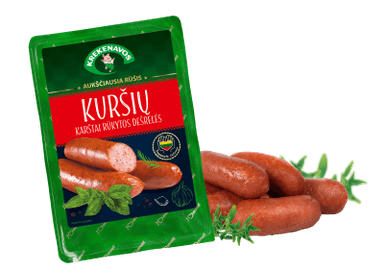
Hot smoked KURŠIŲ hunter's sausages KREKENAVOS, a.r, 600g
Boiled sausages PAJURIO, 1,6 kg
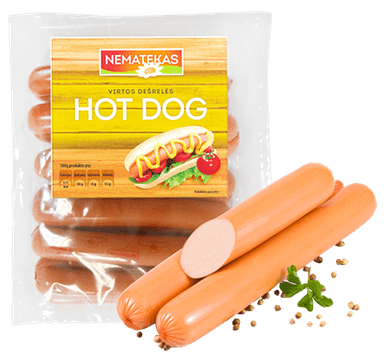
HOT DOG cooked sausages, 800 g
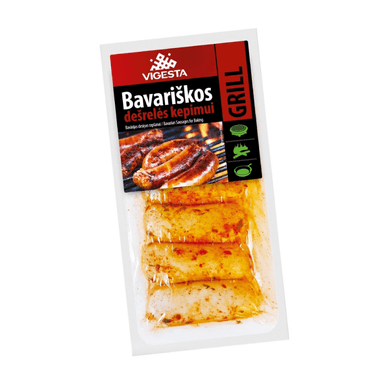
Pork sausages for grilling BAVARIAN GRILL
