
/
Bread products and confectionary
/Freshly baked bread and pastries
/Unsweetened snacks croissants buns
/Croissant with cocoa cream filling MON MIO 45g
Croissant with cocoa cream filling MON MIO 45g
81 people viewed this product
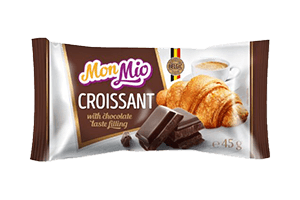
Croissant with cocoa cream filling MON MIO 45g
Unlock Full Product Analysis
Get AI-powered ingredient breakdowns, personalized health insights, and smarter food choices — all inside Telegram.
Noticed incorrect or incomplete information about this product?
Report a problem?
Similar Products

Bun NY ROLL PLAIN, 58 g
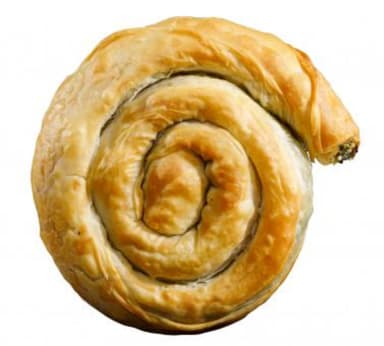
Börek cheese bun with feta 220g
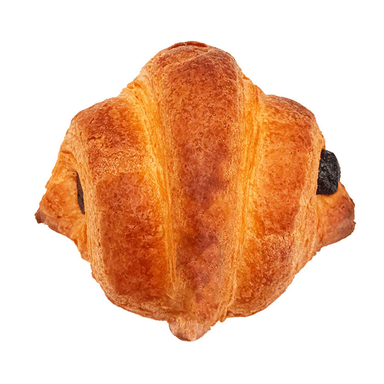
Chocolate croissants, frozen, gluten-free
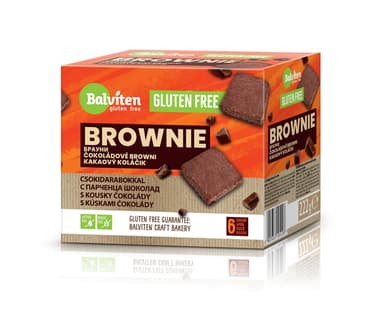
Brownie BALVITEN GLUTEN FREE, 222 g
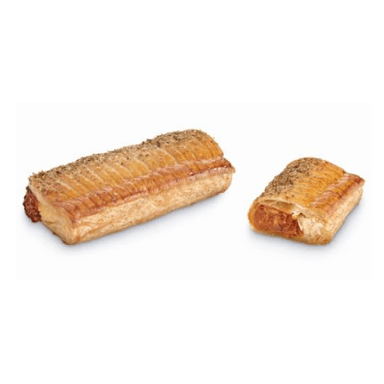
NAPOLI Envoltini, 118 g

Spinach and cheese pastry
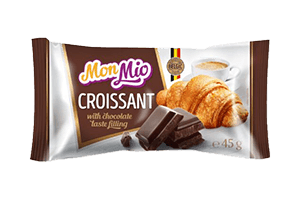
Croissant with cocoa cream filling MON MIO 45g
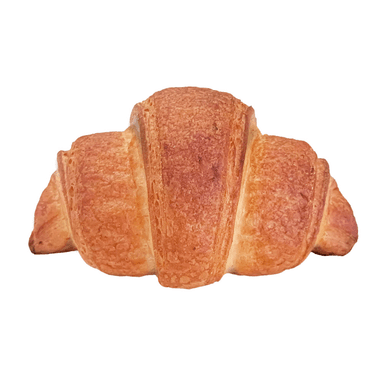
Croissants, frozen, gluten-free
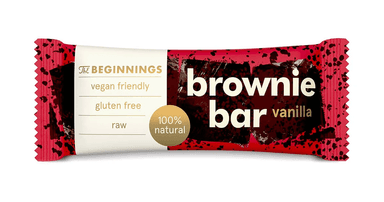
Chocolate Bar 'Brownie'
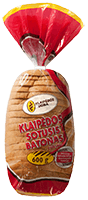
KLAIPEDA'S SOTUSIS sliced baguette, 600 g
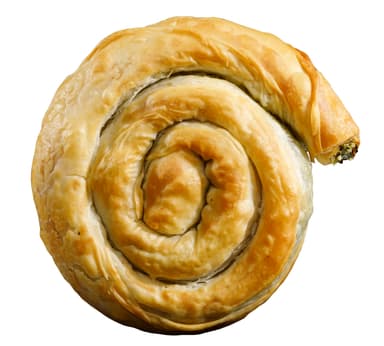
Börek bun spinach cheese 220g
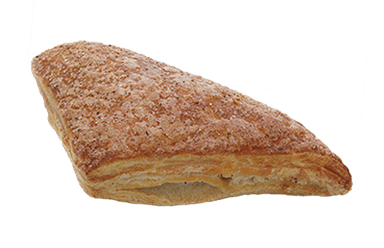
Small pastry with apple filling, 50 g

Butter croissant, 82 g

Lemon cake BALVITEN GLUTEN FREE, 220 g
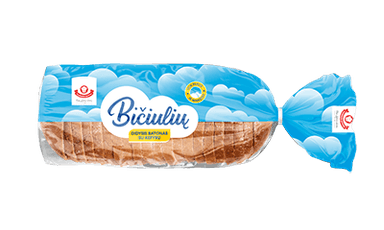
BIG FRIENDS' fermented loaf with kefir, 500 g

Fazer Cheese Bun
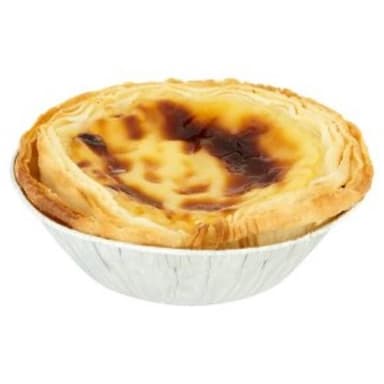
PASTEL DE NATA, 55 g
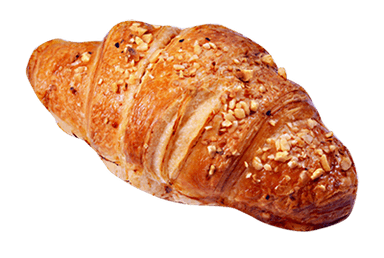
Croissant with caramel filling and nuts, 80 g
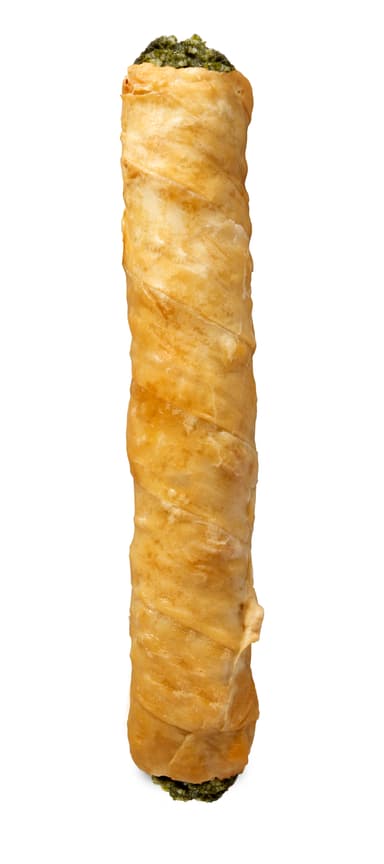
Börek bar spinach feta 100g
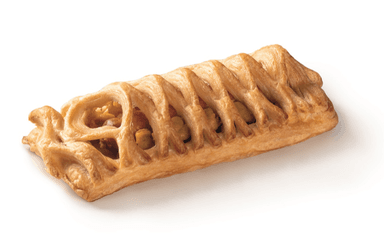
Snack with sausage and mustard, 95 g
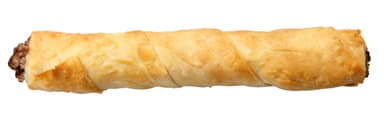
Börek bar minced meat 100g

Butter croissant, 45g
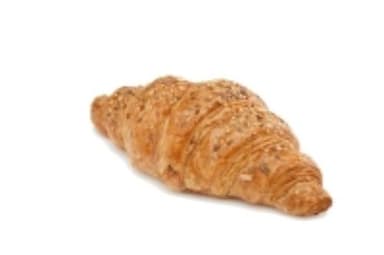
French buttery croissant GOURMAND, with grains, 67g
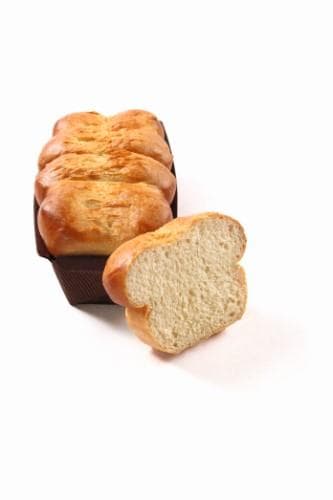
French butter BRIOCHE nanterre, 384 g
