
/
Bread products and confectionary
/Freshly baked bread and pastries
/Unsweetened snacks croissants buns
/Small pastry with apple filling, 50 g
Small pastry with apple filling, 50 g
79 people viewed this product
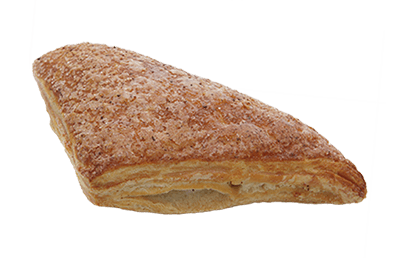
Small pastry with apple filling, 50 g
Unlock Full Product Analysis
Get AI-powered ingredient breakdowns, personalized health insights, and smarter food choices — all inside Telegram.
Noticed incorrect or incomplete information about this product?
Report a problem?
Similar Products
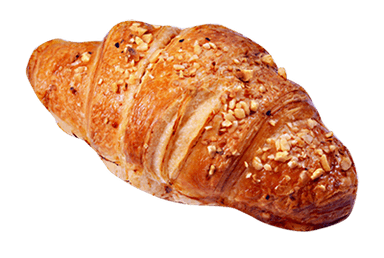
Croissant with caramel filling and nuts, 80 g

Fazer Cheese Bun
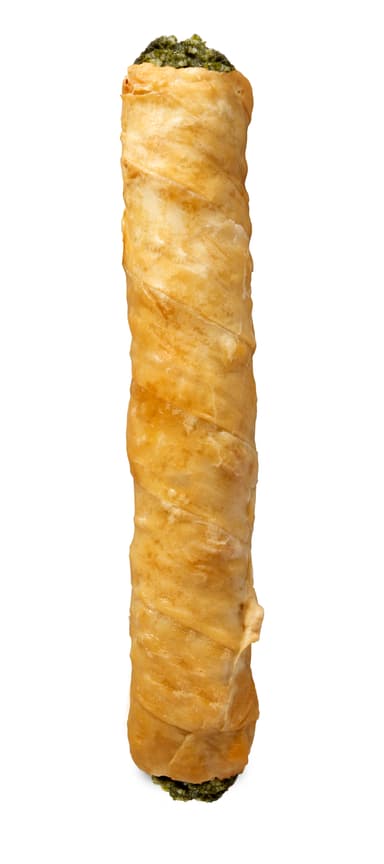
Börek bar spinach feta 100g
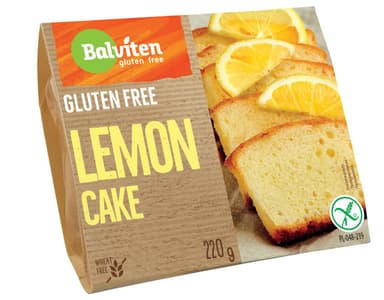
Lemon cake BALVITEN GLUTEN FREE, 220 g
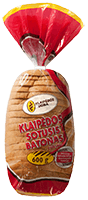
KLAIPEDA'S SOTUSIS sliced baguette, 600 g

Butter croissant, 82 g
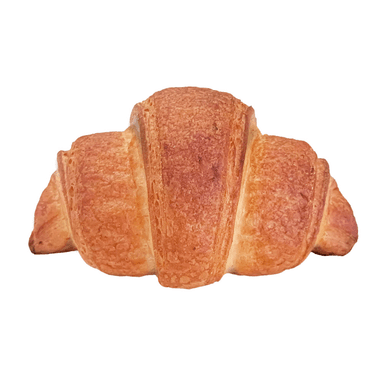
Croissants, frozen, gluten-free
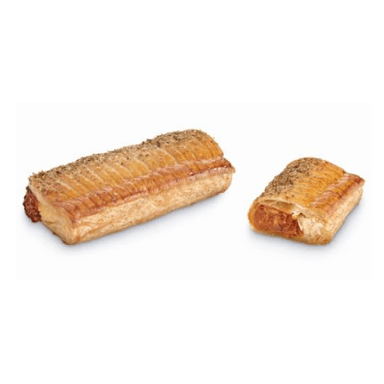
NAPOLI Envoltini, 118 g
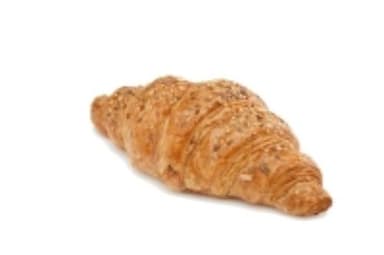
French buttery croissant GOURMAND, with grains, 67g

Spinach and cheese pastry
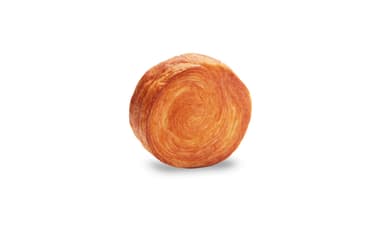
Bun NY ROLL PLAIN, 58 g
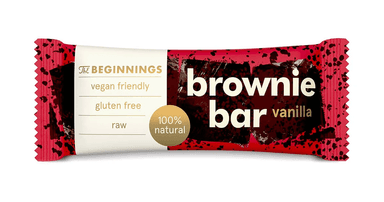
Chocolate Bar 'Brownie'
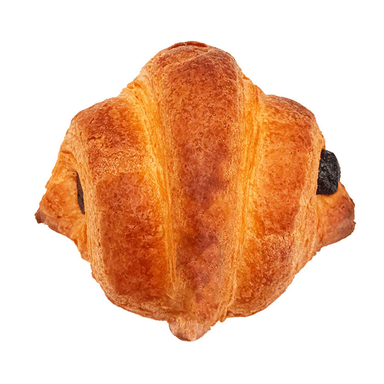
Chocolate croissants, frozen, gluten-free
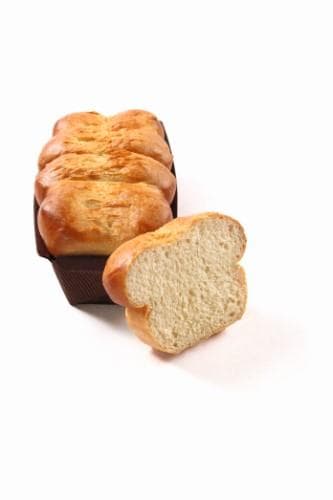
French butter BRIOCHE nanterre, 384 g

Butter croissant, 45g
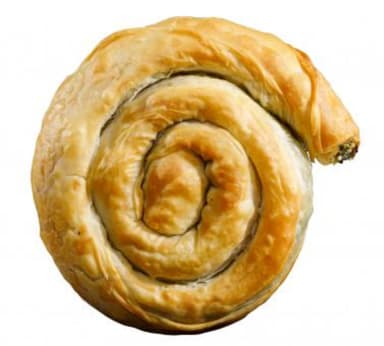
Börek cheese bun with feta 220g
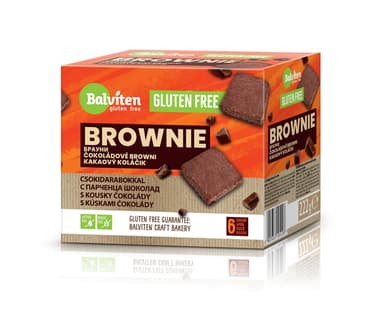
Brownie BALVITEN GLUTEN FREE, 222 g
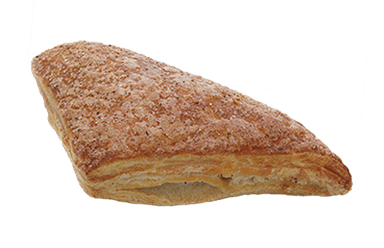
Small pastry with apple filling, 50 g
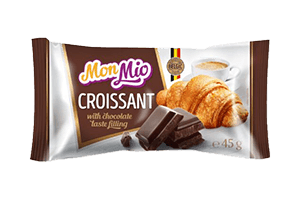
Croissant with cocoa cream filling MON MIO 45g
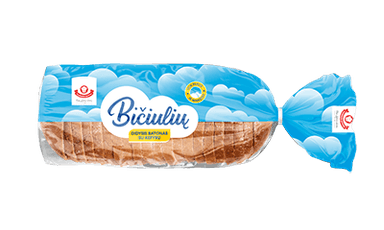
BIG FRIENDS' fermented loaf with kefir, 500 g
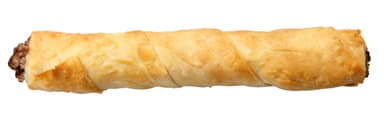
Börek bar minced meat 100g
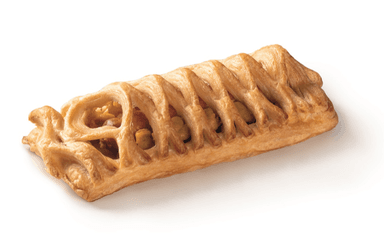
Snack with sausage and mustard, 95 g
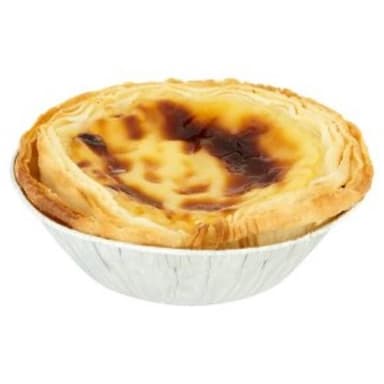
PASTEL DE NATA, 55 g
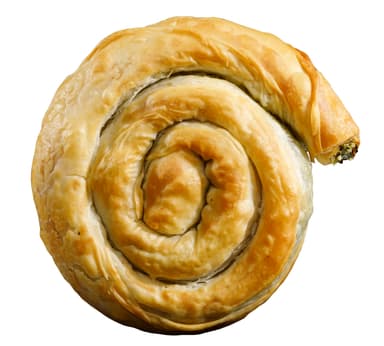
Börek bun spinach cheese 220g
