
/
Meat fish and culinary preparation
/Meat products
/Meat products
/Hot-smoked fillet PANEVEZIO, I cat, ~300 g
Hot-smoked fillet PANEVEZIO, I cat, ~300 g
136 people viewed this product
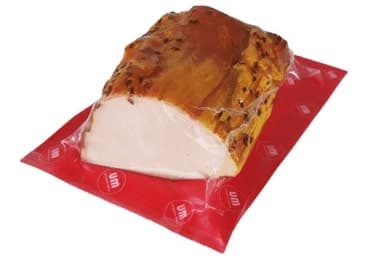
Hot-smoked fillet PANEVEZIO, I cat, ~300 g
Unlock Full Product Analysis
Get AI-powered ingredient breakdowns, personalized health insights, and smarter food choices — all inside Telegram.
Noticed incorrect or incomplete information about this product?
Report a problem?
Similar Products
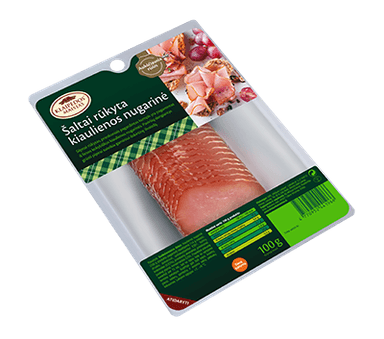
Cold smoked pork loin, 100 g
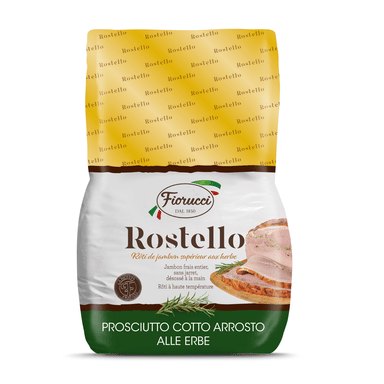
Fried pork ham Rostello FIORUCCI, highest spc, ~8.5kg
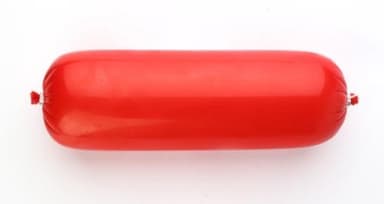
Boiled pork ham PROFI, 1,5kg
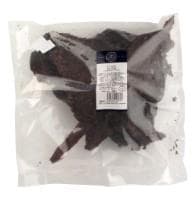
Cured beef DORA, a.r. ~500 g
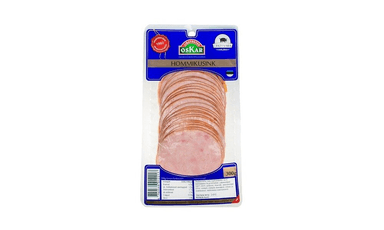
Oskar Hommikusink sliced 300 g

Dried chicken fillet strips TALLEGG, 80 g
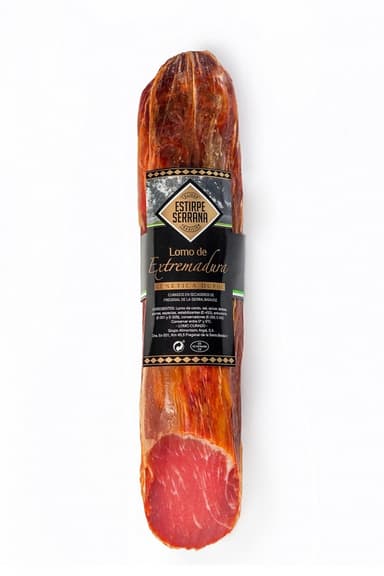
Dried pork loin ESTIRPE NEGRA, a.r., ~0.9 kg

Karni, Royal Roast
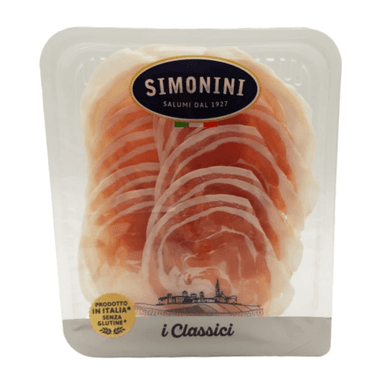
Cured pork belly PANCETTA, sliced
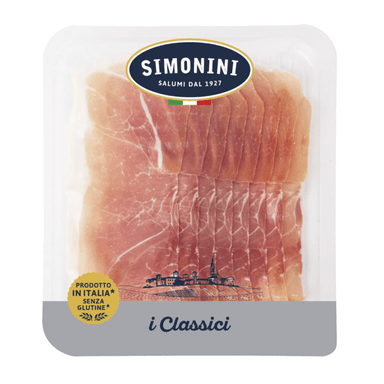
Aged pork ham PROSCIUTTO STAGIONATO, sliced
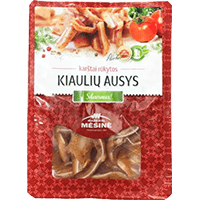
Hot smoked sliced pig ears, 170 g

Maks&Moorits, Maamehesink
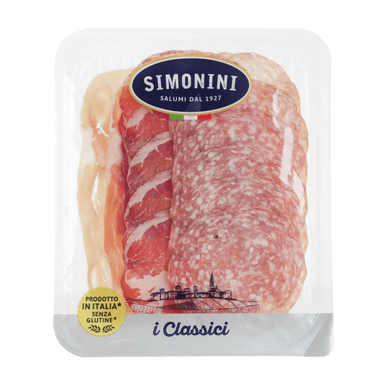
Gourmet pork selection: PROSCIUTTO, MILANO, COPPA
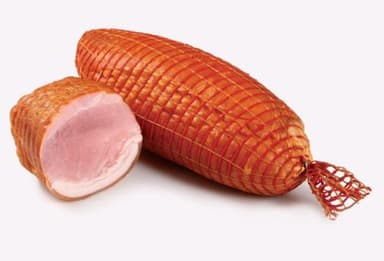
Hot-smoked ham Kauno, extra class, ~800g
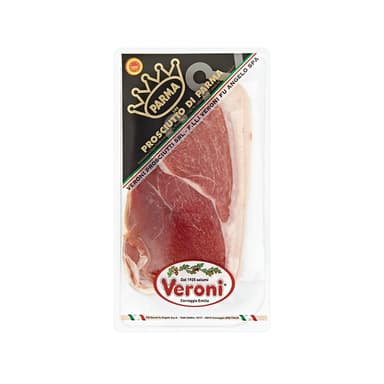
Cured ham Parma, PDO, in slices calibrated, 250 g
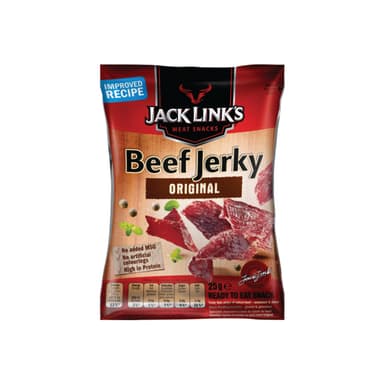
Dried beef JACK LINK'S Jerky Original, 25 g
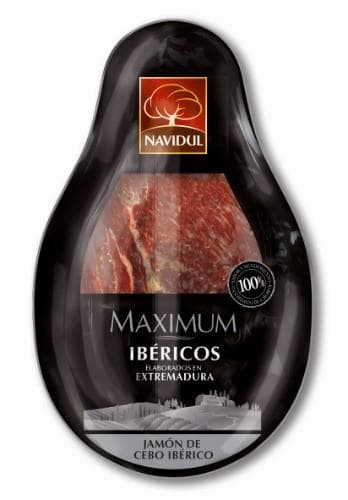
Cured ham NAVIDUL Iberico cebo, ~5 kg
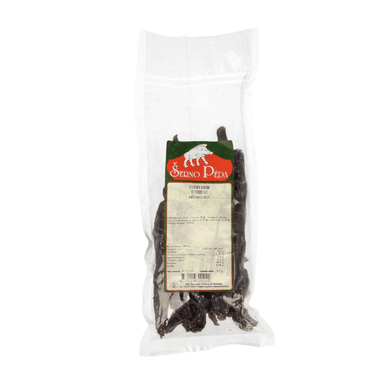
Dried venison with thyme
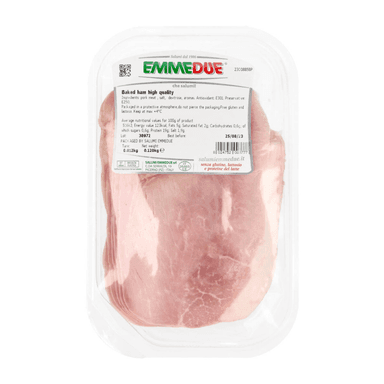
Cooked ham PROSCIUTTO COTTO, slices
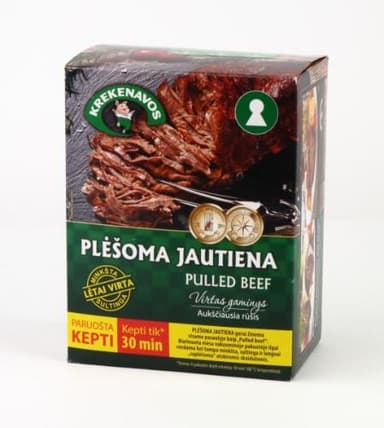
Cooked beef product, pulled beef, in vacuum, ~0.9 kg

Roasted chicken drumsticks
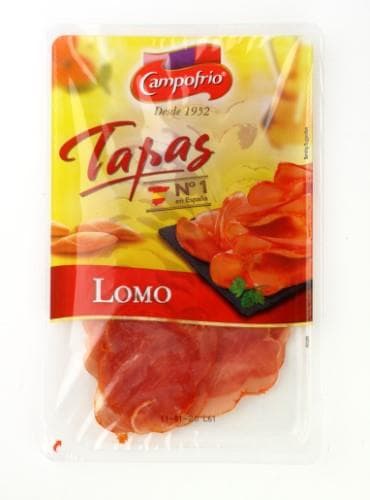
Dried pork loin CAMPOFRIO, Lomo, sliced, Extra class, 80g

Grilled meat with cherry and rum marinade
Cold smoked pork belly for greaves, 2 g
