
/
Meat fish and culinary preparation
/Meat products
/Sausages hot dogs
/Krekenava Brand boiled milk sausages, 720g
Krekenava Brand boiled milk sausages, 720g
130 people viewed this product
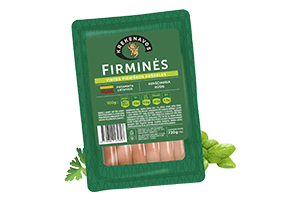
Krekenava Brand boiled milk sausages, 720g
Unlock Full Product Analysis
Get AI-powered ingredient breakdowns, personalized health insights, and smarter food choices — all inside Telegram.
Noticed incorrect or incomplete information about this product?
Report a problem?
Similar Products

Cooked SAMSONIUKŲ sausages, 210 g
Hot smoked ISKYLAUTOJU sausages, 2 class, 735 g
Megeju franks, I class., 1 kg
Creamy venison and veal sausages TAURIOSIOS
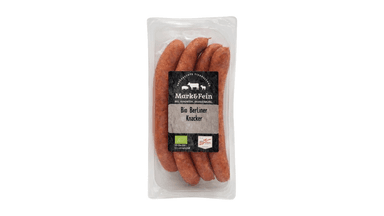
Bio Berliner Knacker (4 pieces), 200 g
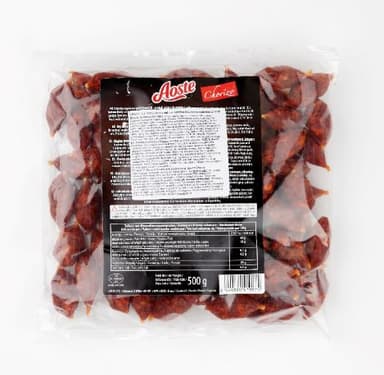
Dried pork sausages AOSTE bites Spicy, 500g

Maks&Moorits, Talusink
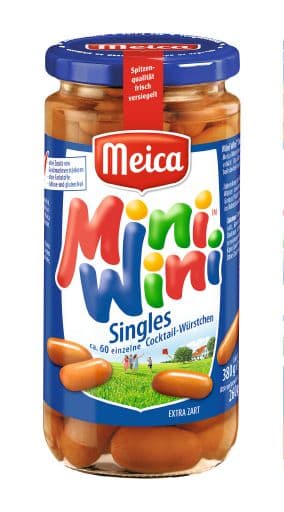
Boiled sausages MEICA Mini Wini Singles, in a jar, 260g
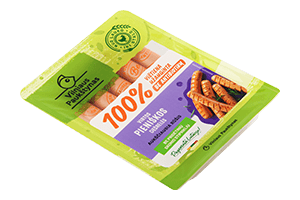
Milk sausage, boiled, antibiotic-free, 250g
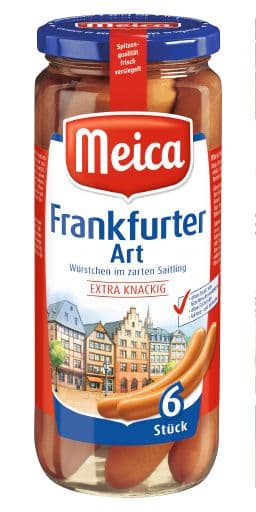
Boiled sausages MEICA Frankfurter Art, in a jar, 250 g

RGK Refrigerated Sausages, 450g

Rannarootsi EHE Sausages

Rakvere Lihakas Lastevorst (Children's Sausage)
Boiled sausages TRADICINĖS, II cat, 780 g
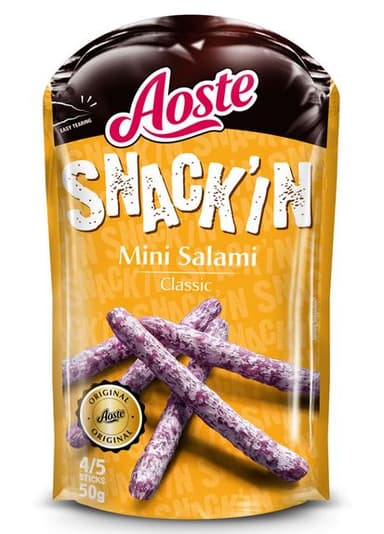
Dried pork sausages AOSTE SNACK'IN Classic Sticks, 50g
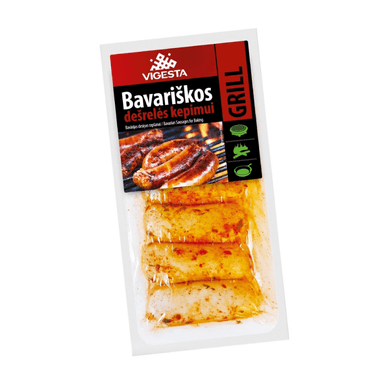
Pork sausages for grilling BAVARIAN GRILL
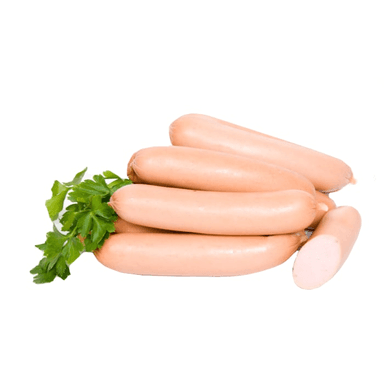
Cooked chicken milk sausages SWEETIE, highest quality
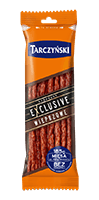
Hot smoked sausages KABANOS TARCZYNSKI EXCLUSIVE, 105g
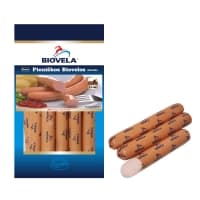
Boiled sausages PIENIŠKOS BIOVELOS, ~0.84 kg
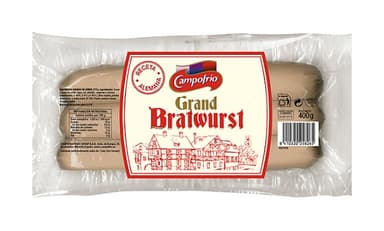
Boiled pork sausages CAMPOFRIO Grand Bratwurst, 400 g, 3 pcs
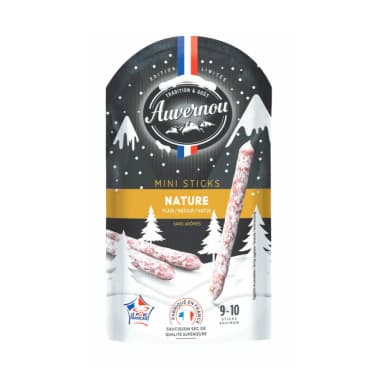
Nature Classic Mini Pork Sausages
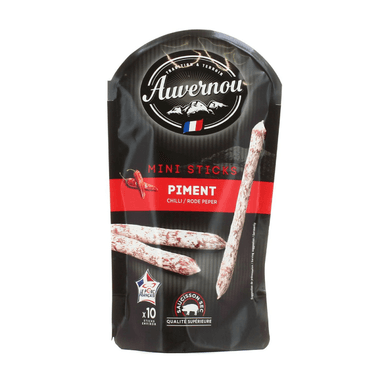
Mini pork sausages with chili peppers PIMENT
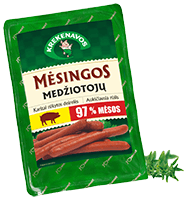
MEATY HUNTER'S hot smoked sausages, 230 g
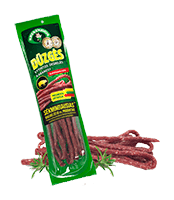
Cured Sausages KABANOSY DŪZGĖS, 100 g
