
/
Meat fish and culinary preparation
/Meat products
/Sausages hot dogs
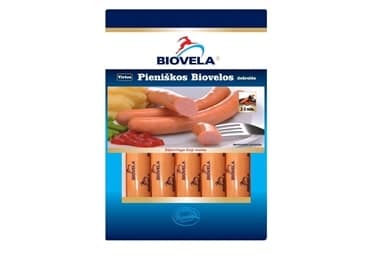
/Boiled sausages PIENIŠKOS BIOVELOS, ~0.84 kg
Boiled sausages PIENIŠKOS BIOVELOS, ~0.84 kg
110 people viewed this product
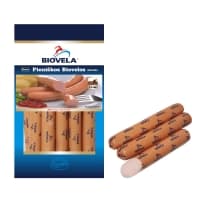
Boiled sausages PIENIŠKOS BIOVELOS, ~0.84 kg
Unlock Full Product Analysis
Get AI-powered ingredient breakdowns, personalized health insights, and smarter food choices — all inside Telegram.
Noticed incorrect or incomplete information about this product?
Report a problem?
Similar Products
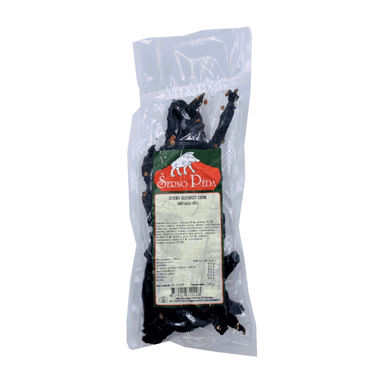
Dried sweet and sour venison
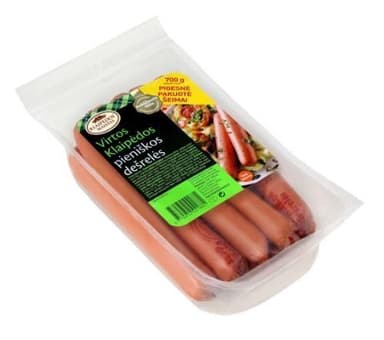
Klaipedos franks, 700 g
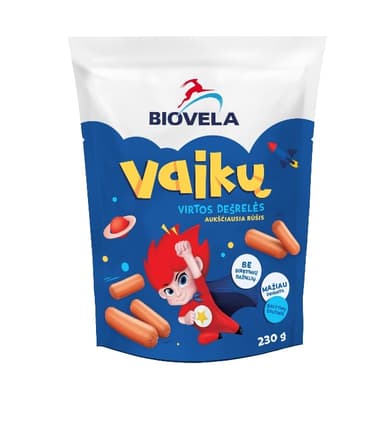
Boiled milk children sausages BIOVELA,, extra class, 230 g

Maks&Moorits, Frankfurter, 340 g
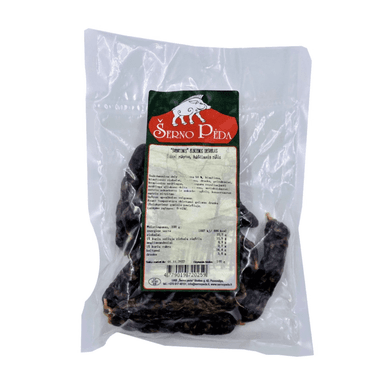
Cold-smoked venison sausages FESTIVE, highest quality
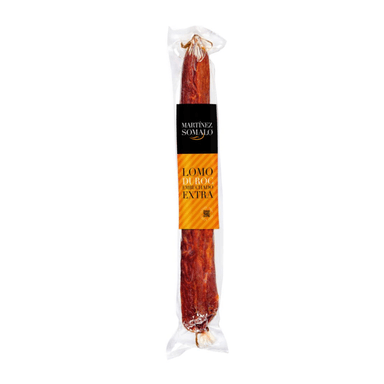
Cured Duroc pork loin EXTRA 50%

Woro Beer Snacks with Cheese
Boiled sausages KREKENAVOS PUSRYTINES, vacuum, 600 g
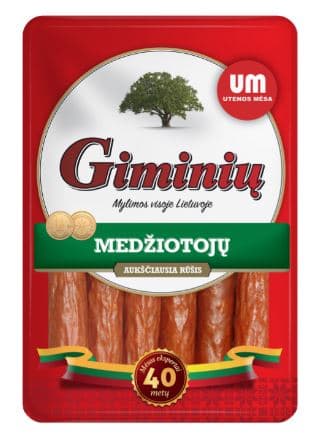
Hot smoked sausages Giminių Medžiotojų, extra class, 250g
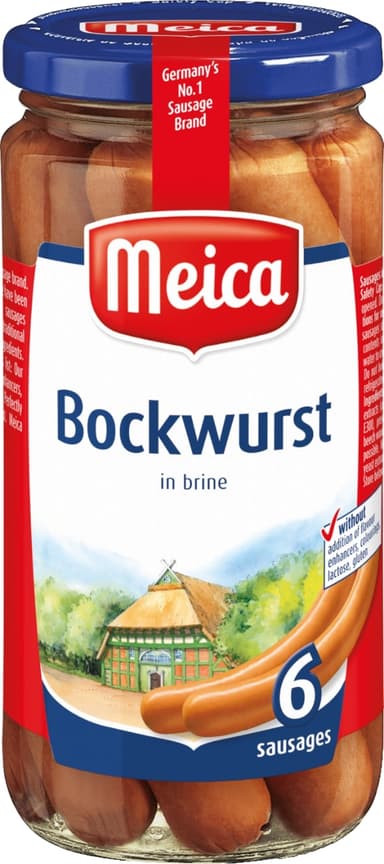
Boiled sausages MEICA Bockwurst, in a jar, 180 g
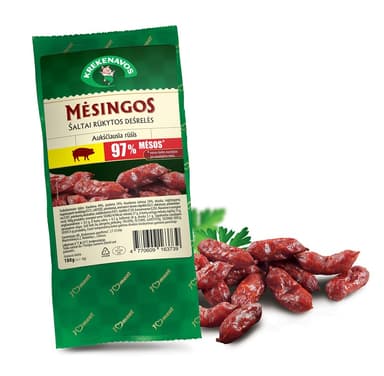
Cold smoked sausages KAI NORISI MĖSOS, 180 g
MAŽYLIŲ boiled sausages with iodized salt, 210 g
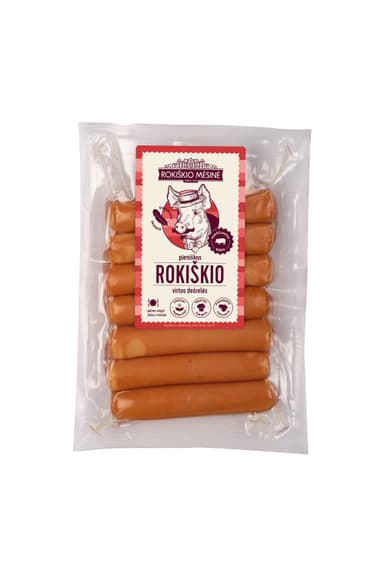
Cooked sausages ROKIŠKIO, pieniskos, a.r., 680 g
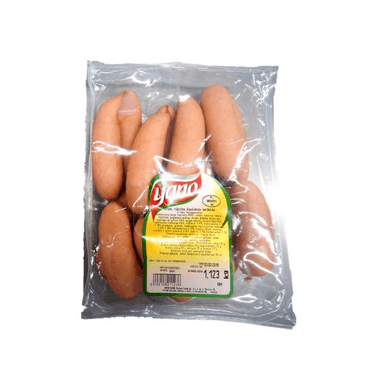
Boiled smoked small pork sausages, ~1.2 kg
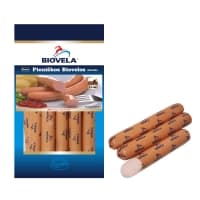
Boiled sausages PIENIŠKOS BIOVELOS, ~0.84 kg
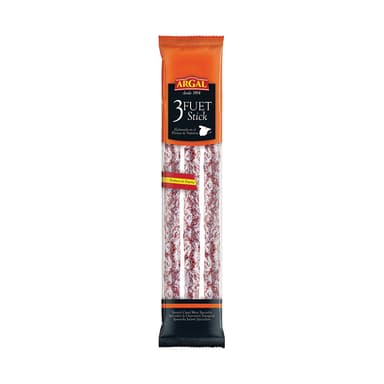
Dried sticks FUET, extra, 150 g
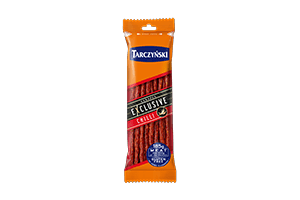
Hot smoked sausages with chili KABANOS TARCZYNSKI EXCLUSIVE 105g

Dried pork sticks KUBIETISKOS, 200 g
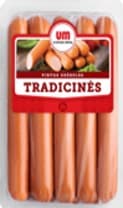
Boiled sausages TRADICINĖS, II cat, 780 g
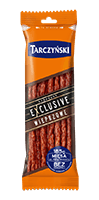
Hot smoked sausages KABANOS TARCZYNSKI EXCLUSIVE, 105g
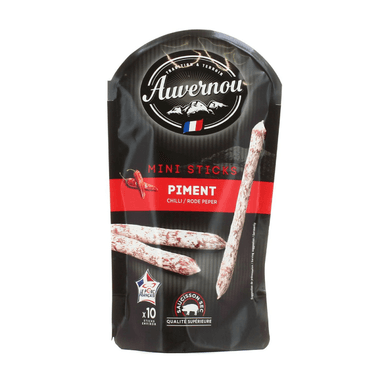
Mini pork sausages with chili peppers PIMENT
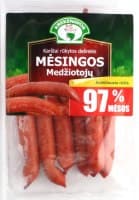
Hot smoked "When you want MEAT" hunters sausages, 230 g
Cooked BIOVELOS, milky sausages, 260g
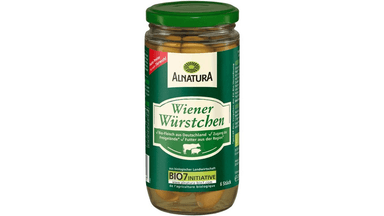
Alnatura Bio-Wiener Sausages, 390 g
