
/
Meat fish and culinary preparation
/Meat products
/Sausages hot dogs
/Boiled sausages KREKENAVOS PUSRYTINES, vacuum, 600 g
Boiled sausages KREKENAVOS PUSRYTINES, vacuum, 600 g
108 people viewed this product
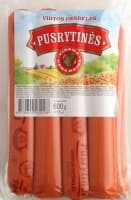
Boiled sausages KREKENAVOS PUSRYTINES, vacuum, 600 g
Unlock Full Product Analysis
Get AI-powered ingredient breakdowns, personalized health insights, and smarter food choices — all inside Telegram.
Noticed incorrect or incomplete information about this product?
Report a problem?
Similar Products

Rakvere Smoked Sausage
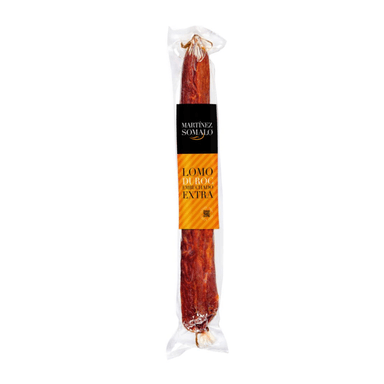
Cured Duroc pork loin EXTRA 50%
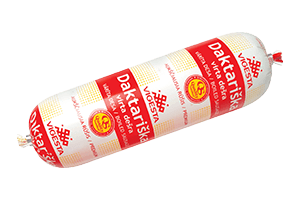
DAKTARIŠKA boiled sausage, 330g

Hot smoked sausages BIOVELA, with horseradish, Class I, 440 g
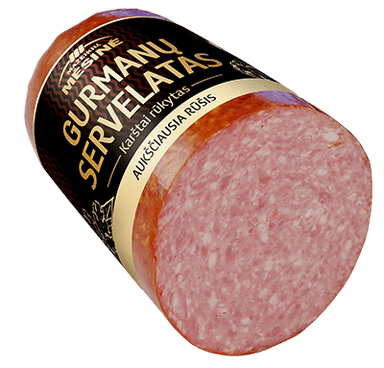
Gourmet hot smoked salami, 600 g
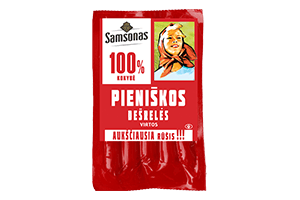
SAMSONO CREAMY boiled sausages, 310 g
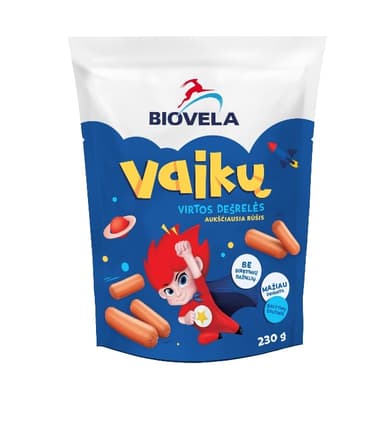
Boiled milk children sausages BIOVELA,, extra class, 230 g
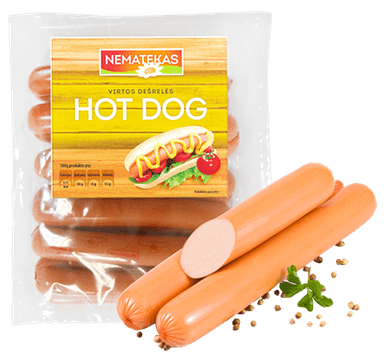
HOT DOG cooked sausages, 800 g

Cooked sausages SAMSONO PIENISKOS, 0,31 kg
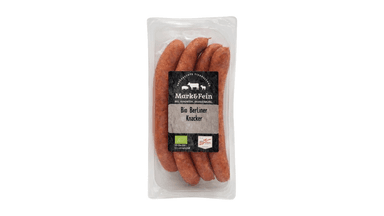
Bio Berliner Knacker (4 pieces), 200 g
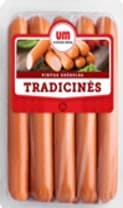
Boiled sausages TRADICINĖS, II cat, 780 g
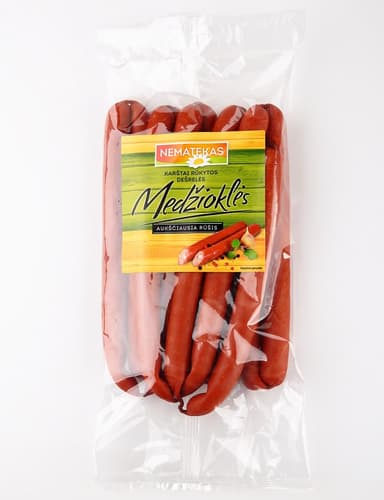
Slightly smoked hunters sausages, 500 g
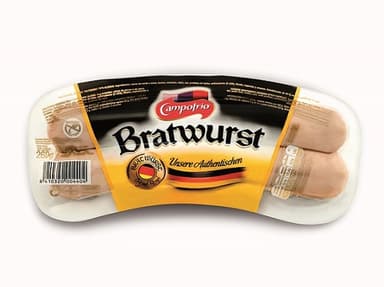
Boiled pork sausages Bratwurst CAMPOFRIO, a.r., 260 g, 3pcs
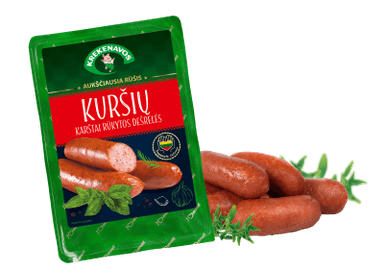
Hot smoked KURŠIŲ hunter's sausages KREKENAVOS, a.r, 600g
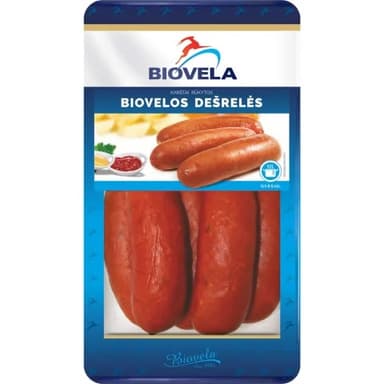
Hot smoked sausages BIOVELA, class I, 570 g
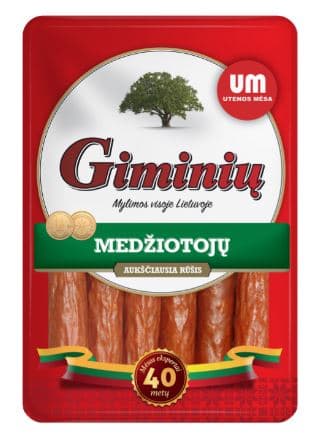
Hot smoked sausages Giminių Medžiotojų, extra class, 250g
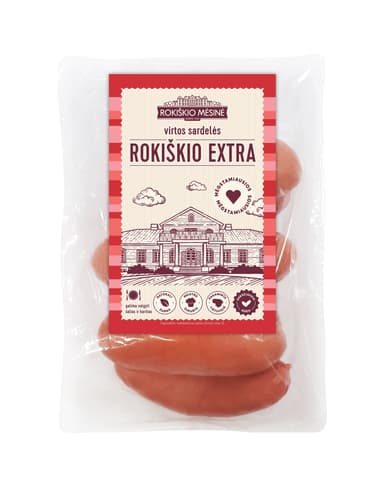
Cooked sausages ROKISKIO EKSTRA,a.r., 500g
Smoked Spicy Sausages KABANOSY DŪZGĖS, 100 g
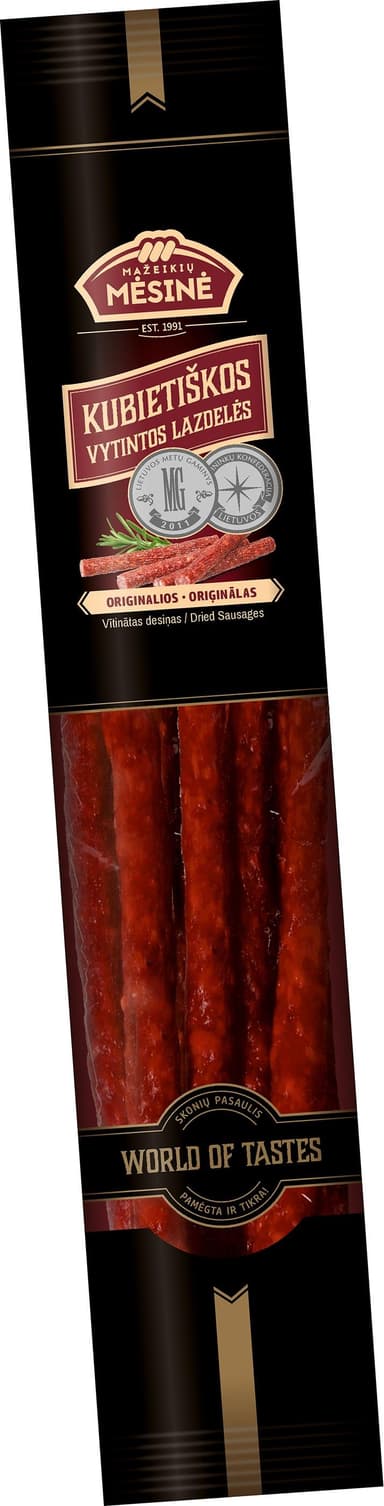
Dried pork sticks KUBIETISKOS, 200 g
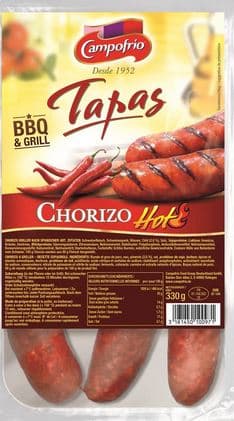
Cooked pork sausage CAMPOFRIO Chorizo BBQ hot, 330g
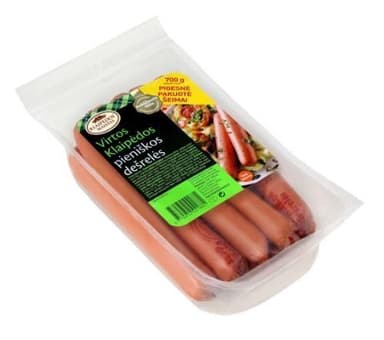
Klaipedos franks, 700 g
Hot smoked sausages KABANOS TARCZYNSKI EXCLUSIVE, 105g
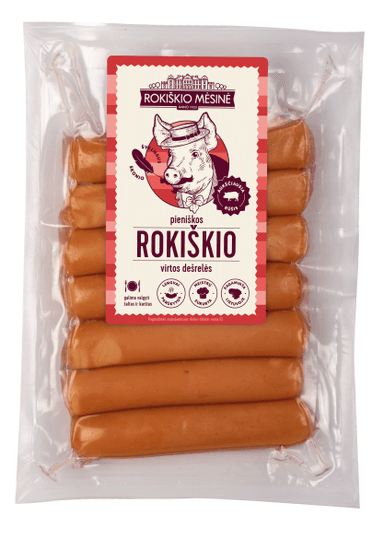
Boiled sausages ROKISKIO MESINE, 290 g
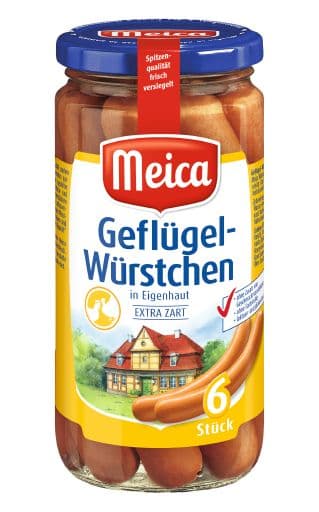
Boiled poultry sausages MEICA Geflugelwurstchen, in a jar, 180g
