
MOKINIŲ cooked sausages 750g
122 people viewed this product
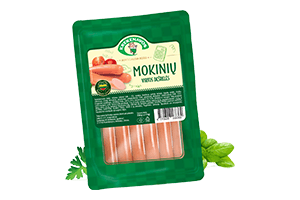
MOKINIŲ cooked sausages 750g
Unlock Full Product Analysis
Get AI-powered ingredient breakdowns, personalized health insights, and smarter food choices — all inside Telegram.
Noticed incorrect or incomplete information about this product?
Report a problem?
Similar Products
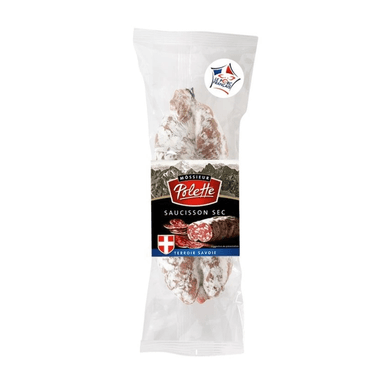
Air-dried pork sausage TERROIR SAVOIE
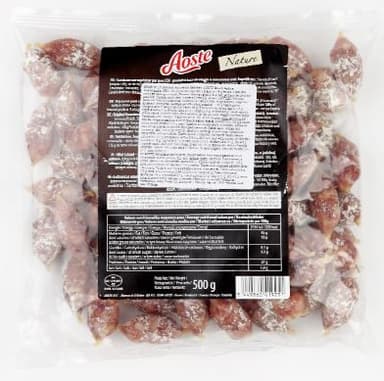
Dried pork sausages AOSTE bites Classic , 500g
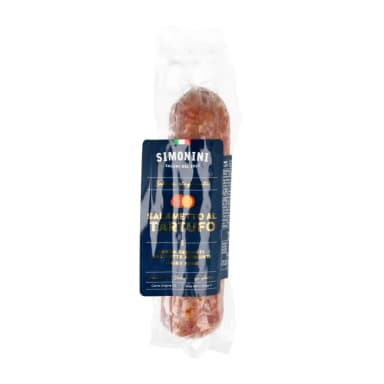
Pork salami with truffles SALAMETTO AL TARTUFO
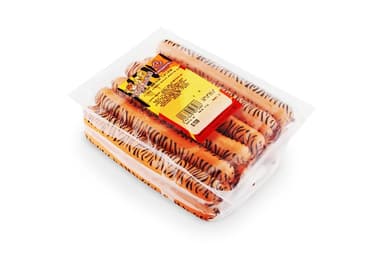
Boiled sausages TIGRIUKAS, in the safty gas, ~0.7 kg
Boiled sausages for hot dogs, I cat, 730 g
PAJŪRIO cooked sausages 1kg
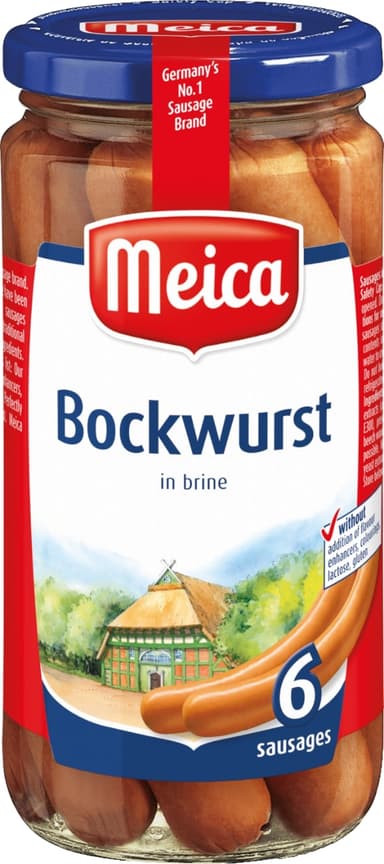
Boiled sausages MEICA Bockwurst, in a jar, 180 g
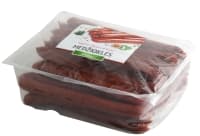
Hot-smoked small sausages MEDŽIOKLES, ~1,2 kg
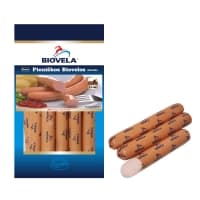
Boiled sausages PIENIŠKOS BIOVELOS, ~0.84 kg
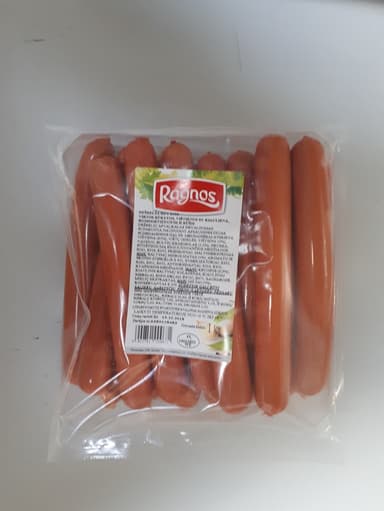
Hot dog sausages RAGNOS, 1 kg
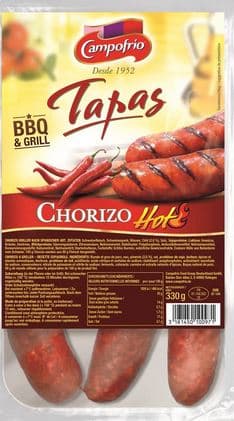
Cooked pork sausage CAMPOFRIO Chorizo BBQ hot, 330g
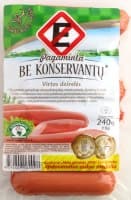
Boiled wieners PAGAMINTA BE KONSERVANTU, 240 g
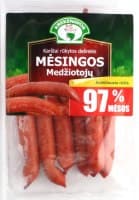
Hot smoked "When you want MEAT" hunters sausages, 230 g
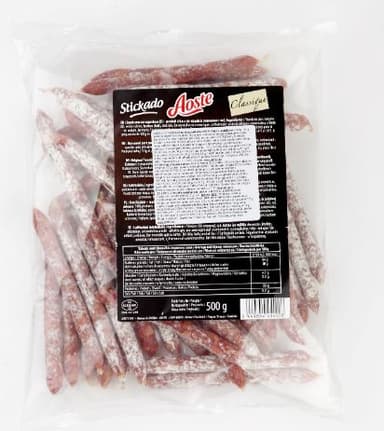
Dried pork sausages AOSTE Classic Sticks, 500g
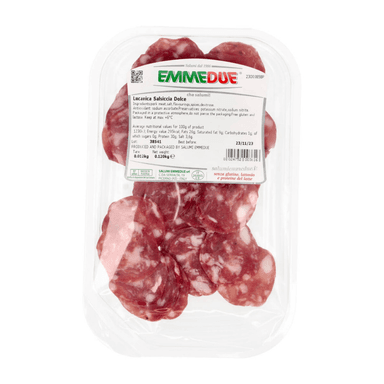
Cured pork sausage LUCANICA SALSICCIA DOLCE, sliced
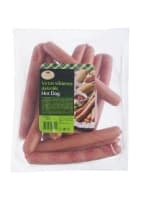
Sausages HOTDOG chicken, 1 kg
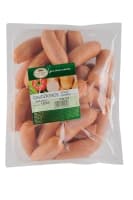
GARDŽIOSIOS sausages, weight. ~1,45 kg
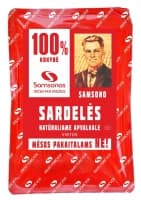
Boiled SAMSONAS sausages, 400 g
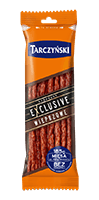
Hot smoked sausages KABANOS TARCZYNSKI EXCLUSIVE, 105g
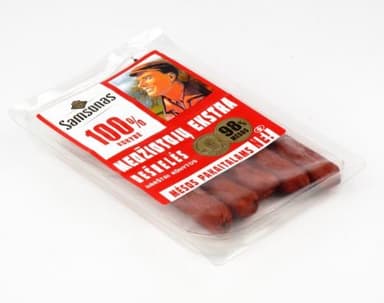
Hot smoked sausages Samsono Hunters Extra, e.c., 200 g
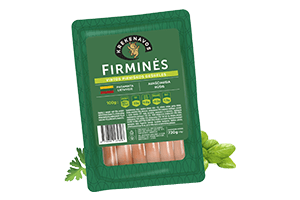
Krekenava Brand boiled milk sausages, 720g

Rannarootsi EHE Sausages
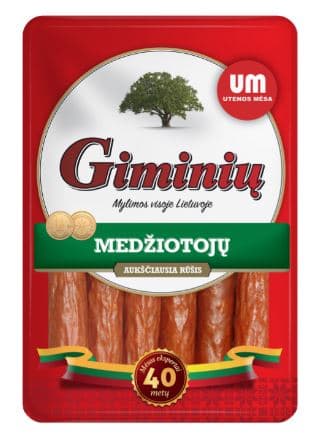
Hot smoked sausages Giminių Medžiotojų, extra class, 250g
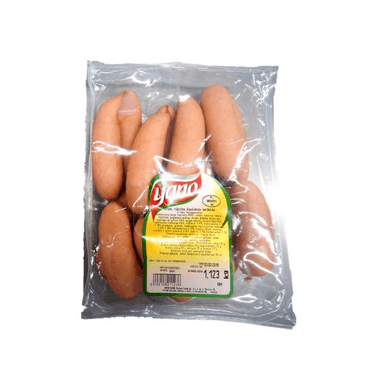
Boiled smoked small pork sausages, ~1.2 kg
