
Melted spreadable cheese with ham 150g
113 people viewed this product
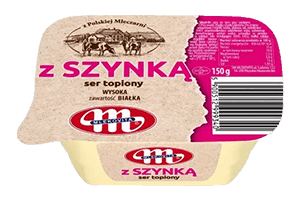
Melted spreadable cheese with ham 150g
Unlock Full Product Analysis
Get AI-powered ingredient breakdowns, personalized health insights, and smarter food choices — all inside Telegram.
Noticed incorrect or incomplete information about this product?
Report a problem?
Similar Products
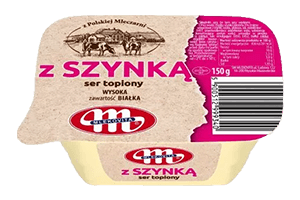
Melted spreadable cheese with ham 150g
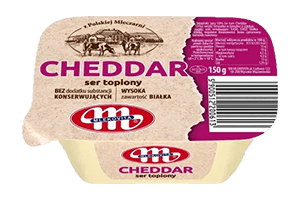
Spreadable processed cheese CHEDDAR 150g
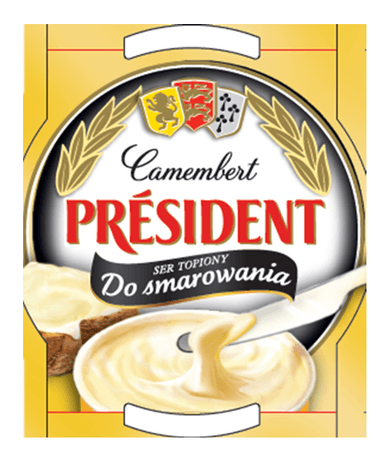
Spreadable cheese PRESIDENT, Camembert Spreadable, 120 g

Alma, Processed cheese with herbs
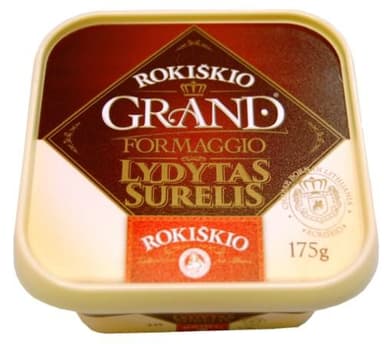
Melted cheese ROKIŠKIO, Grand, 23%, 175 g
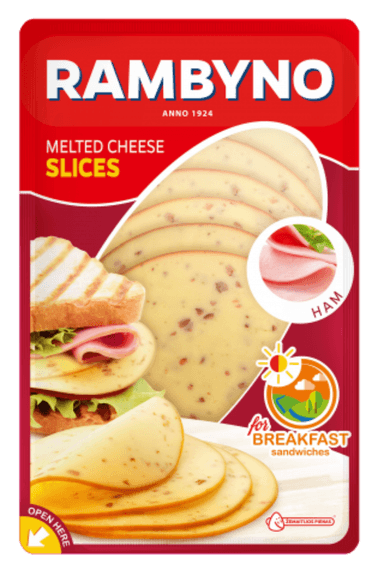
Processed cheese RAMBYNO, with bacon, sliced, 45%, 150g
RAMBYNO smoked processed cheese product with caraway seeds, 250 g
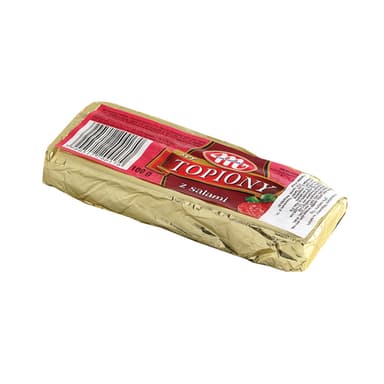
Processed cheese, with salami, 100 g
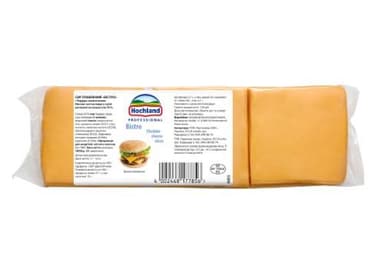
Hochland Burger processed cheese with vegetable fat and cheddar, 84 slices, 45% RSM
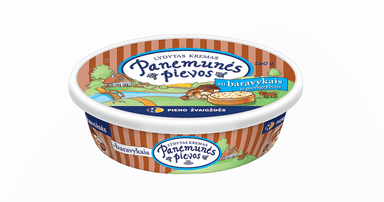
Processed cream PANEMUNES PIEVOS, with mushrooms 160 g
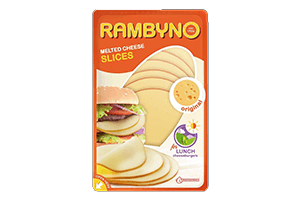
RAMBYNO sliced melted cheese 45% 150g
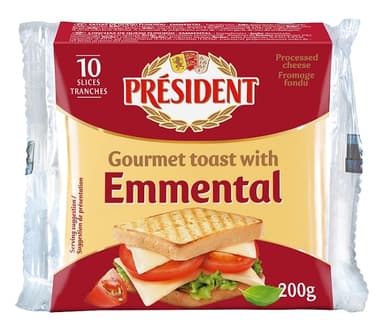
Processed cheese slices PRESIDENT Emmental, 200 g
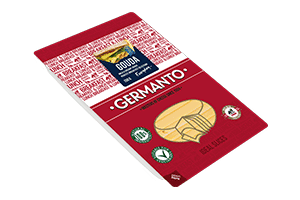
GERMANTO GOUDA Cheese sliced 45%, 150g
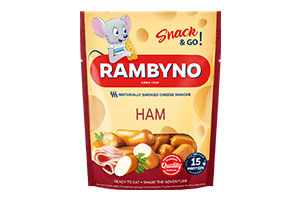
RAMBYNO melted smoked cheese snack with ham 45% 75g

Valio Melted Cheese with Forte
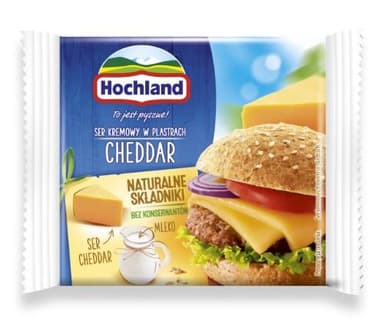
Processed cheese in slices HOCHLAND Cheddar, 130g
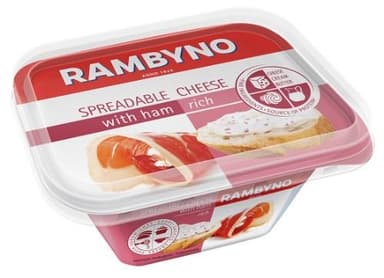
Processed cheese cheese RAMBYNO, with ham, 50%, 175 g
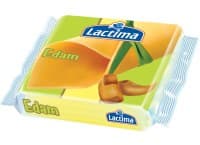
Processed cheese EDAM, 130 g
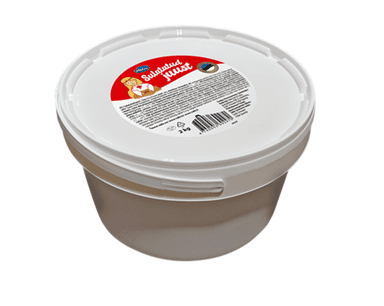
Spreadable processed cheese product VALIO, 18% fat, 2 kg
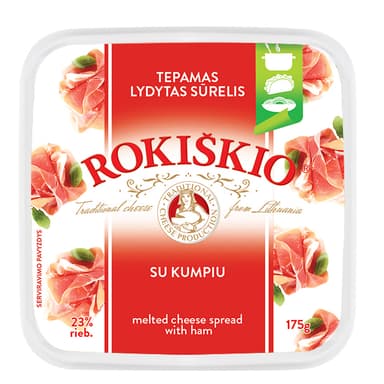
Melted cheese ROKIŠKIO, with bacon, 23%, 175 g

Merevaik, Melted cheese with mushrooms
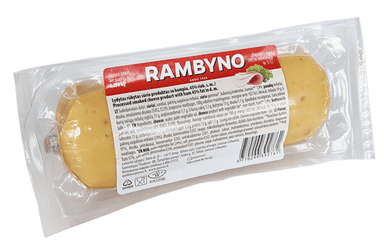
Melted smoked cheese RAMBYNO, with ham, 45%, 250 g
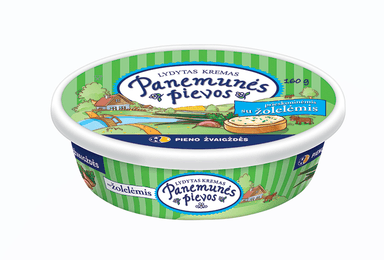
Processed cream PANEMUNES PIEVOS, with herbs 160 g
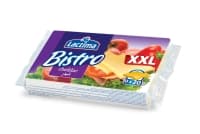
Processed cheese CHEDDAR, 600 g
