Foodscan.ai
EN
EN
LT
/
Meat fish and culinary preparation
/
Fish products canned seafood
/
Herring and herring products
/
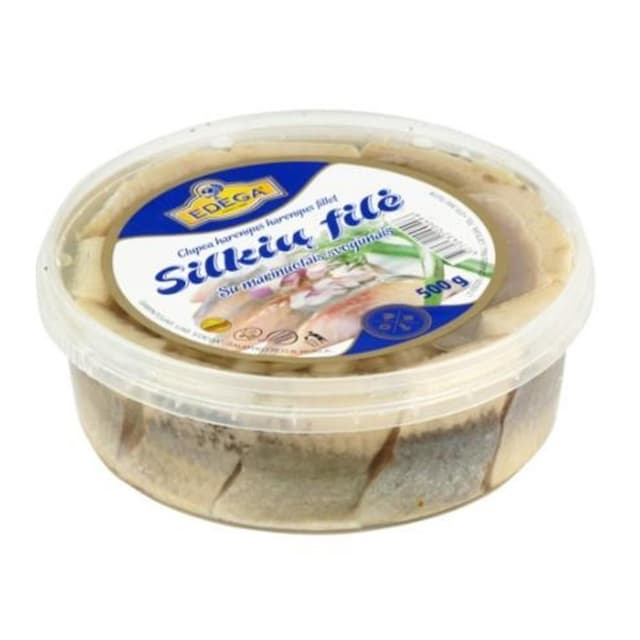
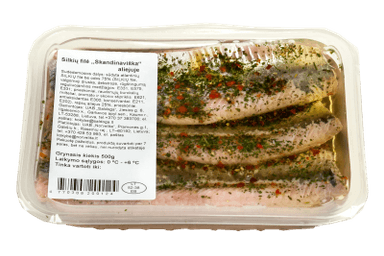
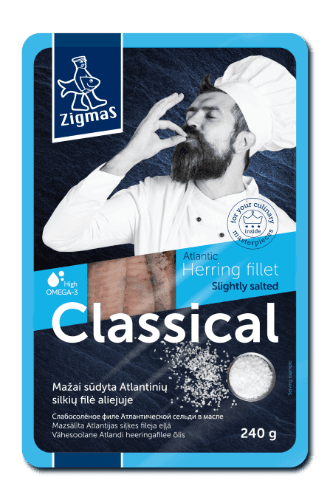
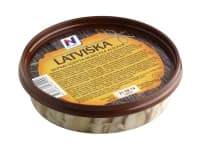
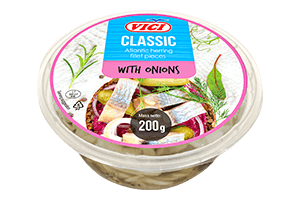
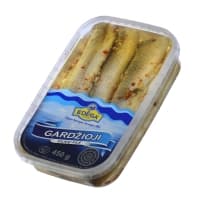
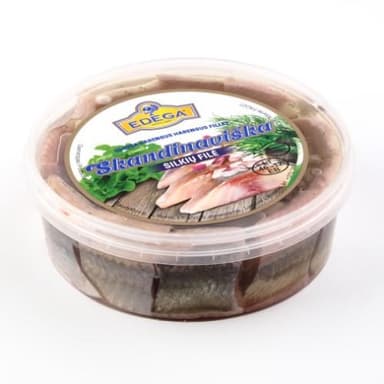
Mildly soused pieces of herring fillet with pickled onions, 0,5 kg

Mildly soused pieces of herring fillet with pickled onions, 0,5 kg

10 people viewed this product
Share

Mildly soused pieces of herring fillet with pickled onions, 0,5 kg

Barcode: 4770432200496
Country of origin: Lithuania
Net weight: 999g
Description

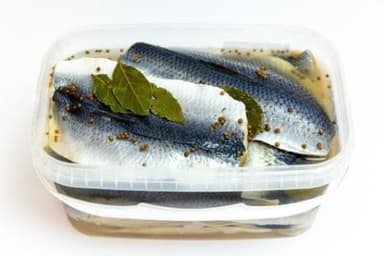
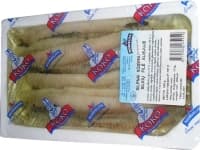
Tender pieces of herring fillet with pickled onions, perfect for snacking. Ideal paired with bread or salads. Pack size: 0.5 kg.

Ingredients

Ingredients: 50% Atlantic herring fillet without skin (herring fillet; salt; acidity regulators: E260, E270, E330, E334; flavor enhancer: E621; preservatives: E211, E202), 25% pickled onions (onions; sugar; salt; acidity regulators: E260, E330, E334, E296; antioxidant: E300; spices (in various parts)), 25% vegetable oil (rapeseed). Average energy and nutritional value per 100 g of product: 1405 kJ/336 kcal; fat: 30.0 g, of which saturated fat: 2.7 g; carbohydrates: 7.7 g, of which sugars: 6.4 g; proteins: 7.9 g; salt: 3.0 g. Storage conditions: 0 ÷ +6°C

Additives

Salt

Citric Acid (E330)

Lactic Acid (E270)

Monosodium Glutamate (E621)

Ascorbic Acid (E300)

Apple Acid (E296)

Acetic Acid (E260)

Potassium Sorbate (E202)

Sodium Benzoate (E211)

Tartaric Acid (L) (E334)

Allergens

Fish

Unlock Full Product Analysis

Get AI-powered ingredient breakdowns, personalized health insights, and smarter food choices — all inside Telegram.

Start Scanning for Free

Additives & Effects

All the information about nutrition and comparison with similar products

Salt: Excessive consumption may contribute to high blood pressure and cardiovascular issues.

Citric Acid: Commonly used as an acidity regulator; excessive intake may cause tooth enamel erosion or stomach irritation in sensitive individuals.

Lactic Acid: Generally recognized as safe; no significant side effects at typical consumption levels.

Monosodium Glutamate: Enhances flavor but may cause sensitivity reactions in some individuals, such as headaches or nausea (commonly known as 'Chinese Restaurant Syndrome').

Ascorbic Acid: Generally recognized as safe and also acts as an antioxidant; no significant adverse effects at typical levels.

Malic Acid: Considered safe in regular food applications, but excessive consumption may cause gastrointestinal discomfort.

Acetic Acid: Generally recognized as safe and used as an acidity regulator, but excessive consumption may cause digestive discomfort.

Potassium Sorbate: Generally recognized as safe, but high doses may cause mild irritation in sensitive individuals.

Sodium Benzoate: Used as a preservative; some studies suggest it may trigger allergic reactions or hyperactivity, particularly when combined with certain food dyes.

Tartaric Acid: Generally safe but excessive intake may lead to digestive discomfort.

Additives Overview

Powered by AI

The product appears safe for consumption for most individuals but may pose risks for those sensitive to certain additives. Acidity regulators and preservatives are generally recognized as safe, though excessive intake could lead to gastrointestinal issues. The flavor enhancer (E621) may cause reactions in sensitive individuals, such as headaches. Overall, moderation is key.

Analysis Based on +110,000 Science & Nutrition Studies

Product Analysis

Powered by AI

The product appears safe for consumption for most individuals but may pose risks for those sensitive to certain additives. Acidity regulators and preservatives are generally recognized as safe, though excessive intake could lead to gastrointestinal issues. The flavor enhancer (E621) may cause reactions in sensitive individuals, such as headaches. Overall, moderation is key.

Other details

Added
January 19, 2025 at 14:38:13 UTC
Last checked
-
Last updated
April 6, 2026 at 15:58:52 UTC
Noticed incorrect or incomplete information about this product?
Report a problem?
;