
/
Meat fish and culinary preparation
/Fish products canned seafood
/Herring and herring products
/Herring fillet, country style, 600 g
Herring fillet, country style, 600 g
90 people viewed this product
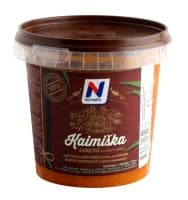
Herring fillet, country style, 600 g
Unlock Full Product Analysis
Get AI-powered ingredient breakdowns, personalized health insights, and smarter food choices — all inside Telegram.
Noticed incorrect or incomplete information about this product?
Report a problem?
Similar Products
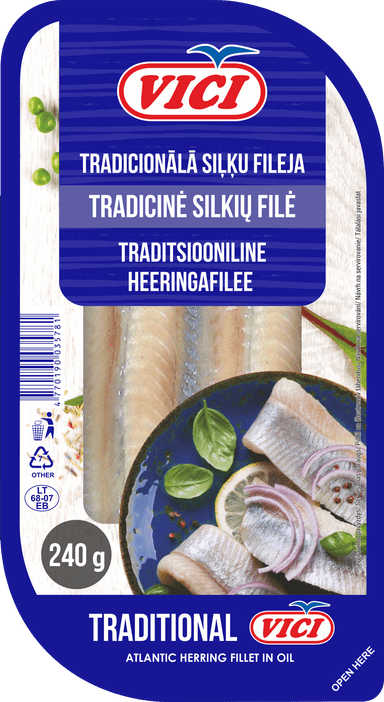
Herring fillet VICI Maties, traditional, 240 g
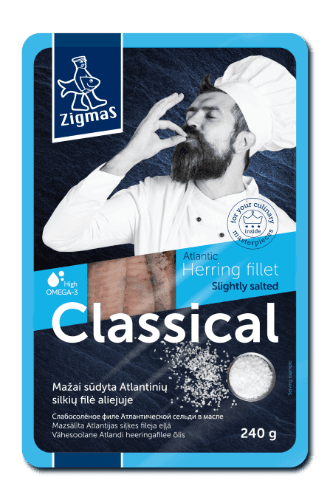
Classic herring fillets in oil, less salted, 240 g
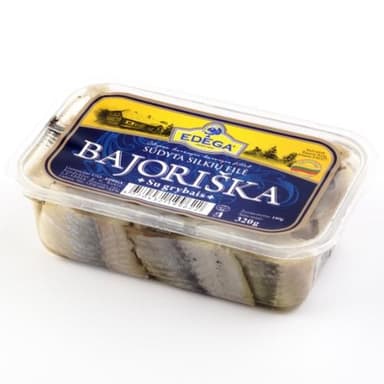
Herring fillet EDEGA Bajoriška, su grybais, 0,32 kg
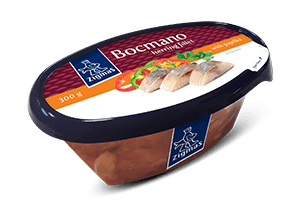
BOCMANO herring fillet with bell peppers 300g
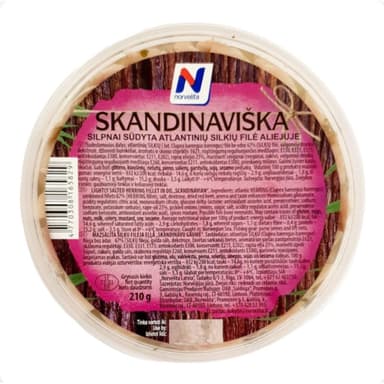
Herring fillet SKANDINAVIŠKA, 210 g
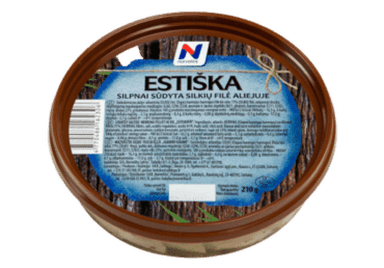
Herring fillet ESTIŠKA, 210 g
Fatty salted herring fillet in oil, 240 g

Herring fillet pieces classic
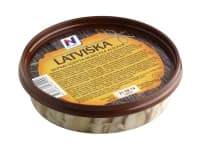
Herring fillet LATVIŠKA, 210 g
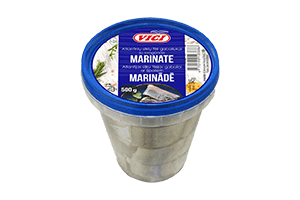
Sikiai fillet pieces marinated with onions 500 g
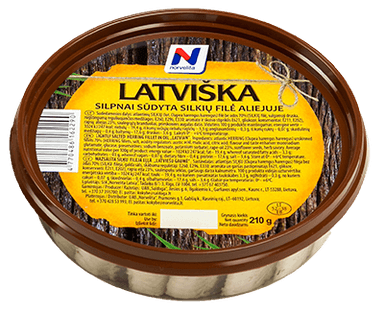
LATVIAN salted Atlantic herring fillet pieces in oil, 210 g
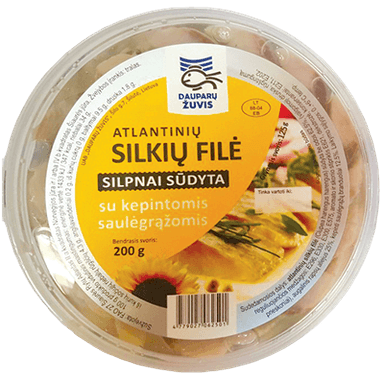
Lightly salted herring fillet pieces in oil with sunflower seeds, 200 g
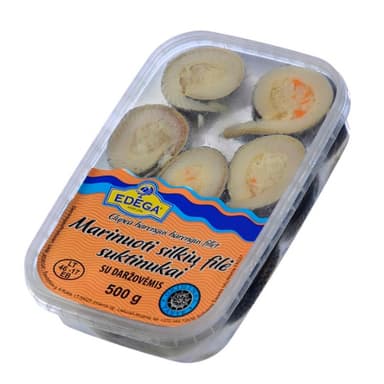
Souse herring rolls with vegetables, 500 g
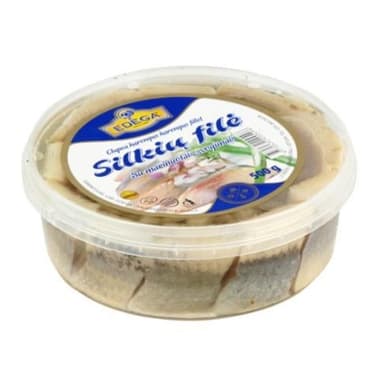
Mildly soused pieces of herring fillet with pickled onions, 0,5 kg
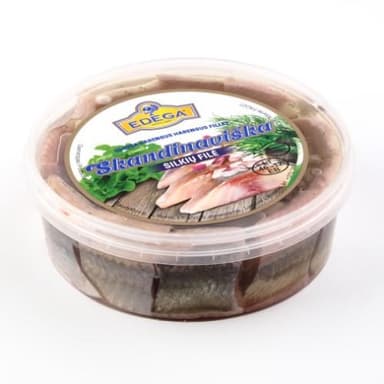
Herring fillet EDEGA Skandinaviška, 0,5 kg
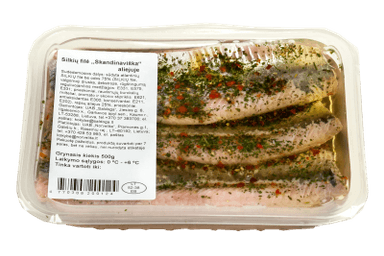
Silvery fillet in oil SCANDINAVIAN, 500g
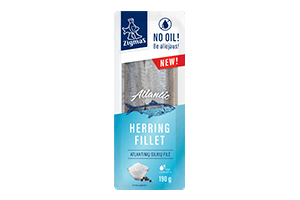
ZIGMAS Herring Fillet in Brine, 190g
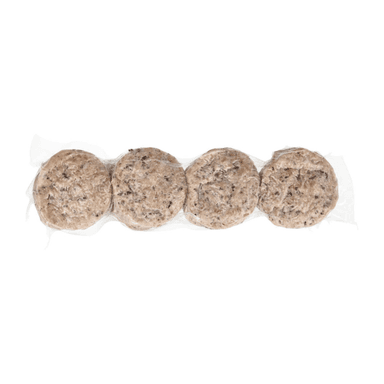
Frozen catfish fillets, 4 pieces
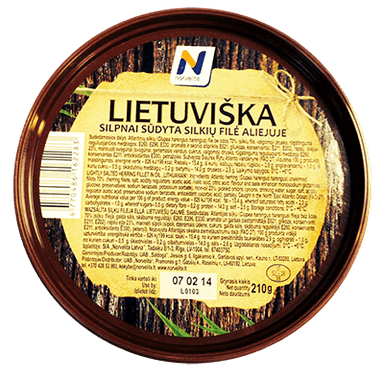
Herring fillet in oil LITHUANIAN, 210 g
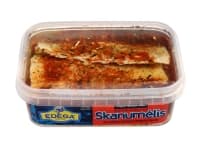
Herring fillet SKANUMĖLIS with dried tomatoes 0,28 kg.
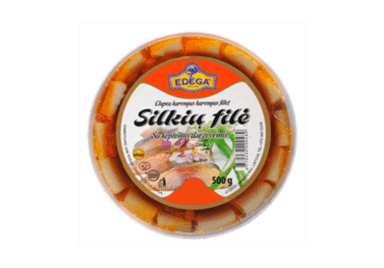
Mildly soused pieces of herring fillet with fried vegetables, 0,5 kg
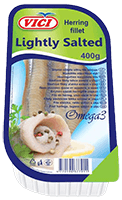
VIČI salted herring fillet in oil, 400 g
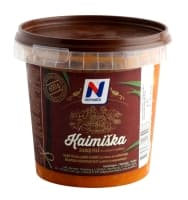
Herring fillet, country style, 600 g
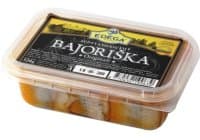
Salted herrings fillet BAJORISKA natural, 0,32 / 0,18 kg
