
REEVA Chicken-flavored Pasta 60g
191 people viewed this product
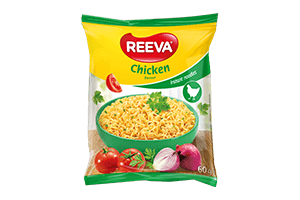
REEVA Chicken-flavored Pasta 60g
Unlock Full Product Analysis
Get AI-powered ingredient breakdowns, personalized health insights, and smarter food choices — all inside Telegram.
Noticed incorrect or incomplete information about this product?
Report a problem?
Similar Products
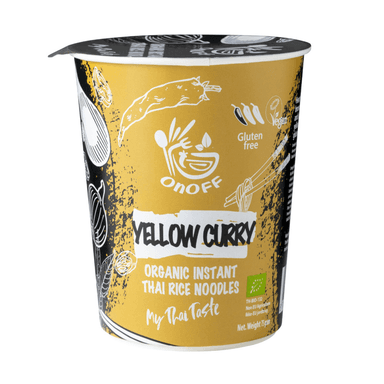
Quick preparation yellow curry soup, mild, organic

Knorr Pasta Snack Pot Sour Cream & Herbs

Maggi Pasta Carbonara
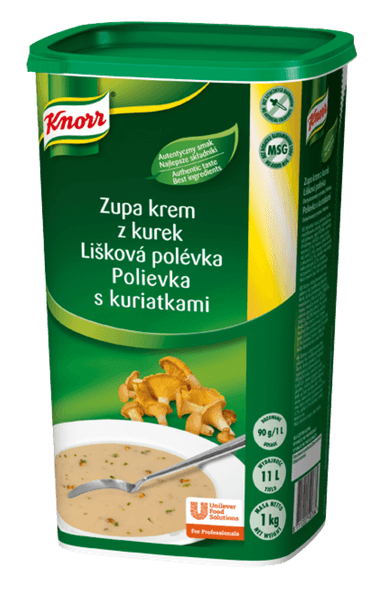
Chanterelle soup KNORR, 1 kg
Soup KNORR Toscana, 1,2 kg
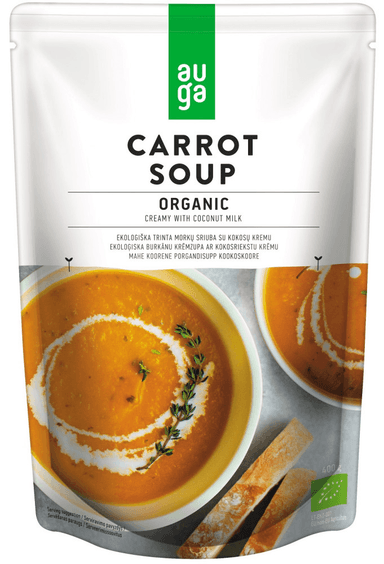
Organic pureed carrot soup with coconut cream, 400 g

Daryna Beef flavour instant noodles
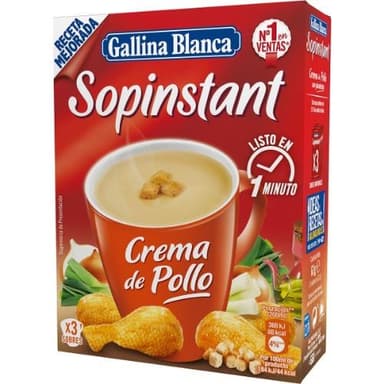
Instant thick chicken soup GALLINA BLANCA, with toast, 3pcs / 63 g

Pea soup with cheese cubes
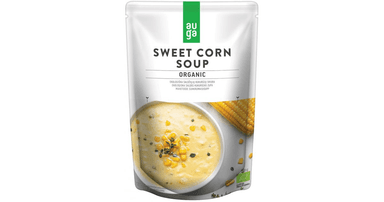
Organic sweet corn soup
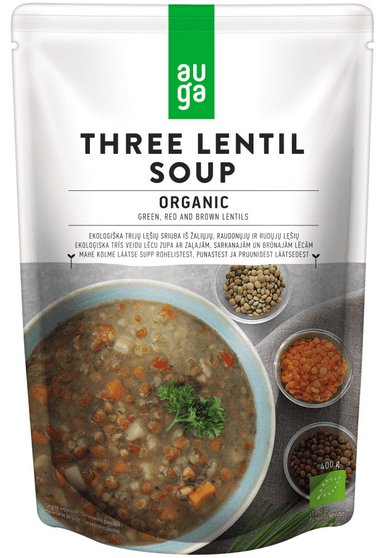
Organic three lentil soup, 400 g
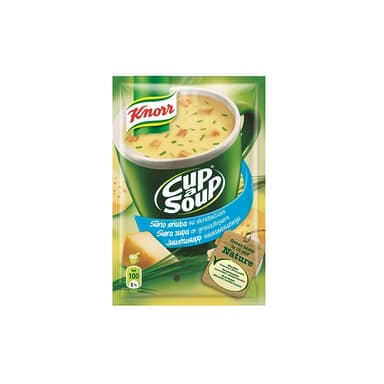
Cheese soup KNORR, 22 g
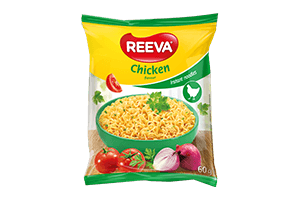
REEVA Chicken-flavored Pasta 60g

Oyakata Chicken Ramen

Oyakata, Korean Barbecue Flavour Instant Noodles, 93 g
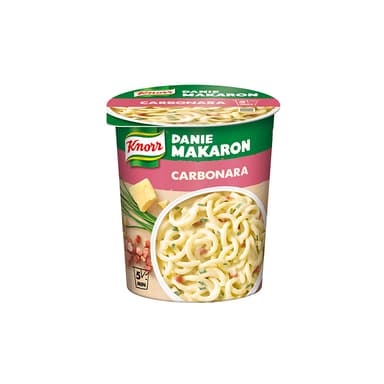
KNORR pasta, with cheese and cream, 55 g

Oyakata, Quick Noodles with Curry Flavour

Oyakata Miso Ramen
quick prepare soup CALNORT, beef flavor, 66g
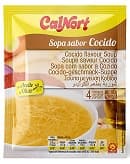
Greitai paruošiama CALNORT Cocido, 66g
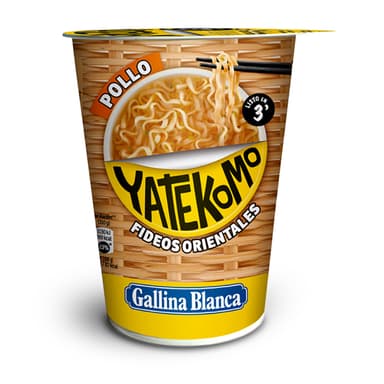
Noodles YATEKOMO With chicken taste, 60 g
Fermented cucumber soup 480g
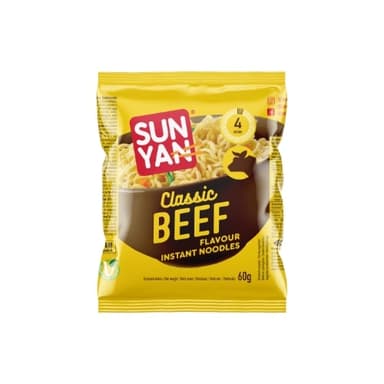
Instant noodles SUN YAN beef flavour, pack 60g
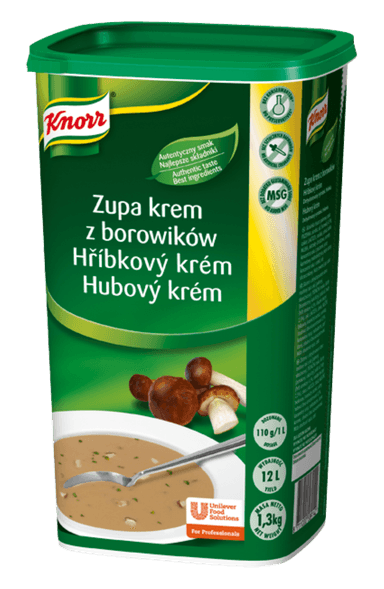
Bulet soup KNORR, 1,3 kg
