
/
Frozen products
/Bread and bread products
/Buns
/A small hamburger bun, with sesame seeds, 22 g x 180 vnt., 64050
A small hamburger bun, with sesame seeds, 22 g x 180 vnt., 64050
92 people viewed this product
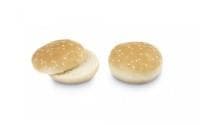
A small hamburger bun, with sesame seeds, 22 g x 180 vnt., 64050
Unlock Full Product Analysis
Get AI-powered ingredient breakdowns, personalized health insights, and smarter food choices — all inside Telegram.
Noticed incorrect or incomplete information about this product?
Report a problem?
Similar Products
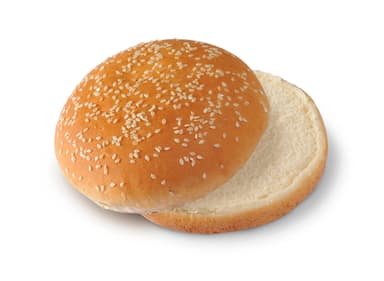
Frozen hamburger bun with sesame, 8 g x 15vnt
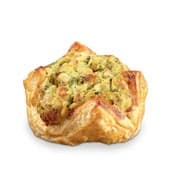
Basket with chicken and leek 110 g, S6924
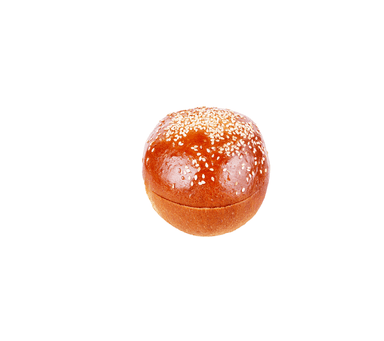
Frozen "Brioche" buns for hamburgers with sesame seeds 90 g, 15 pcs.
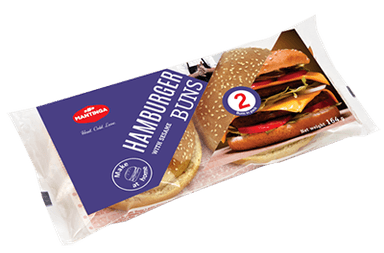
MANTINGA burger buns with sesame seeds (2 x 50 g), (frozen), 100 g
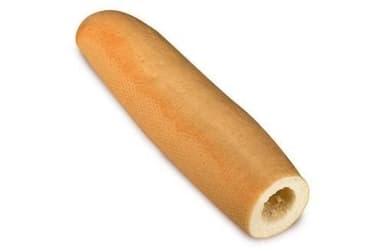
Frozen Sourdough French Hot-Dog 60g x 20psc
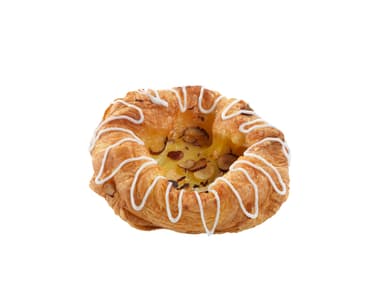
Frozen layered bun with vanilla filling, 12 x 89g
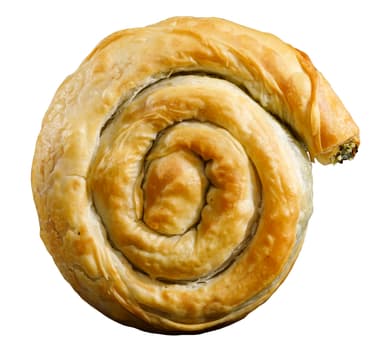
Börek bun spinach cheese 220g

Sausage pastry
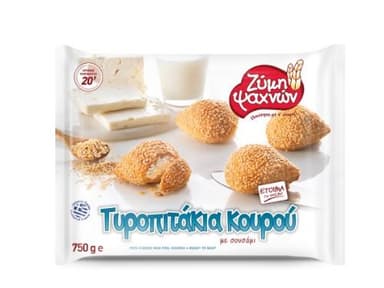
Puff pastry mini pies KOUROU, with feta cheese, ( 8x 93g)
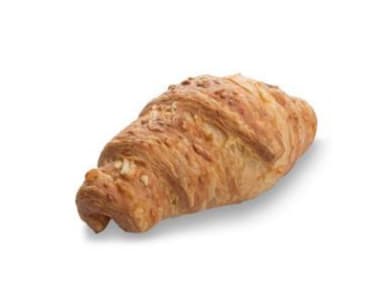
Frozen butter French croissants Lantmannen with ham and cheese, 95g x 48 pcs.
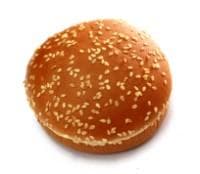
Hamburger bun PANESCo, with sesame seeds, frozen, 57 g (57gx12vnt)
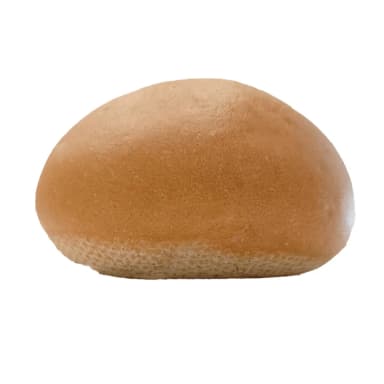
Frozen gluten-free burger bun
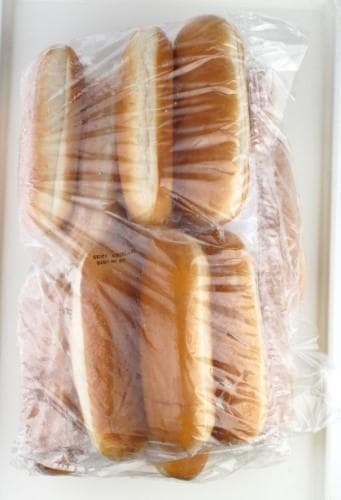
Hot dog bun PANESCO, 63g x 18pcs
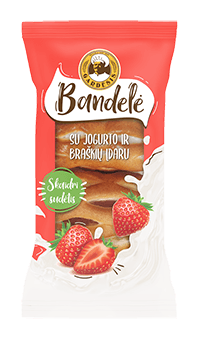
GARDĖSIO rolls with yogurt and strawberries, 100 g
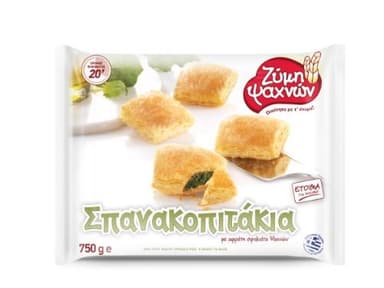
Puff pastry mini pies, with spinach, ( 8x 93g)
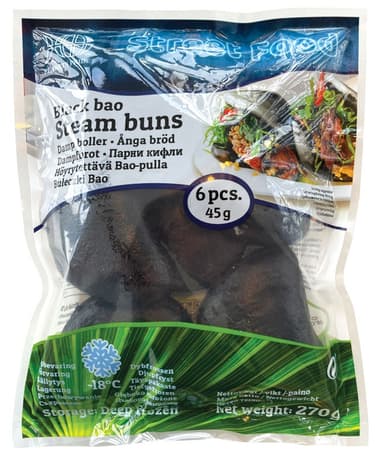
Frozen sandwich buns BAO, black, 6 x 45g
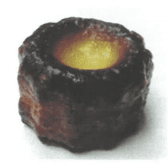
Frozen french delicacy canele, 40g x 144
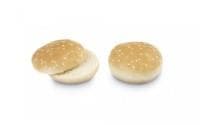
A small hamburger bun, with sesame seeds, 22 g x 180 vnt., 64050
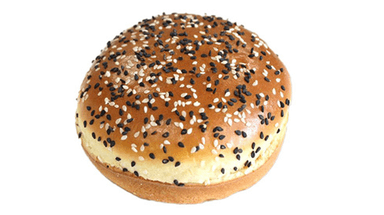
Frozen brioche bun with sesame seed, D12 cm, 86 g x 30 vnt
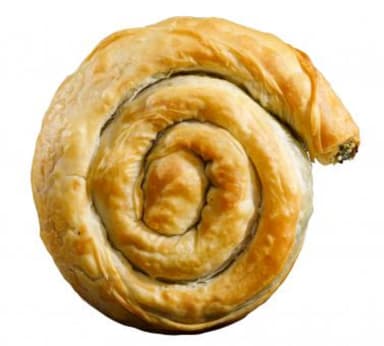
Börek cheese bun with feta 220g
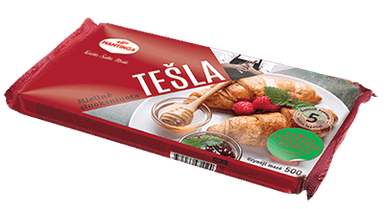
Yeast frozen puff pastry, 500 g
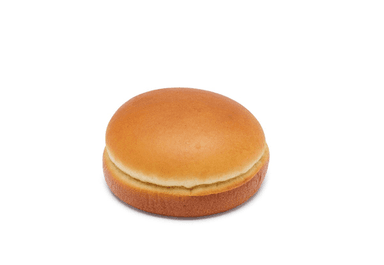
Frozen hamburger buns baked with potatoes, 70 g x 48 pcs. (V)
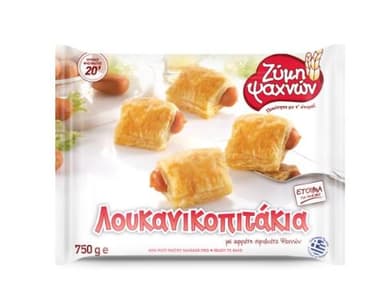
Puff pastry mini pies, with sausage, ( 8x 93g)
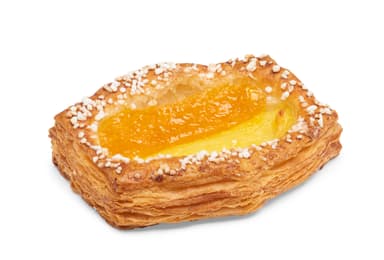
Frozen Danish pastry with passion-apple and vanilla filling, 50x110g
