
/
Frozen products
/Ice cream icecubes
/Ice cream portions
/Condensed milk ice cream BALTIJA Toffee, with caramel filling, 140 ml
Condensed milk ice cream BALTIJA Toffee, with caramel filling, 140 ml
136 people viewed this product
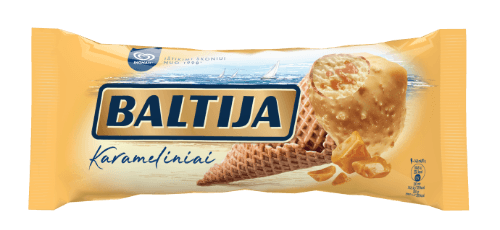
Condensed milk ice cream BALTIJA Toffee, with caramel filling, 140 ml
Unlock Full Product Analysis
Get AI-powered ingredient breakdowns, personalized health insights, and smarter food choices — all inside Telegram.
Noticed incorrect or incomplete information about this product?
Report a problem?
Similar Products
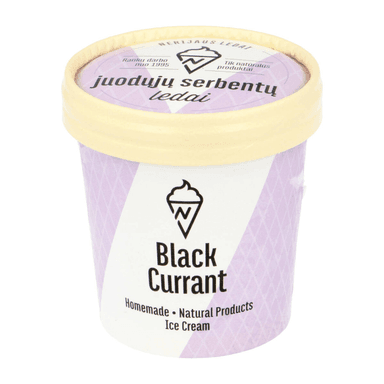
Edible black currant-cherry ice cream
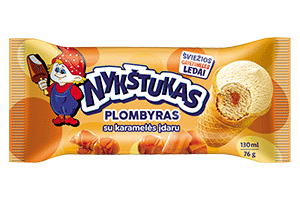
Caramel ice cream NICKNAME, 130 ml
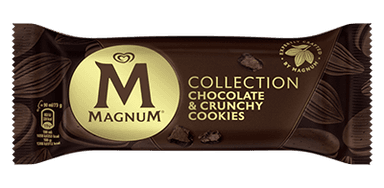
Ice cream with cookies MAGNUM DOUBLE BILLIONAIRE, 85 ml
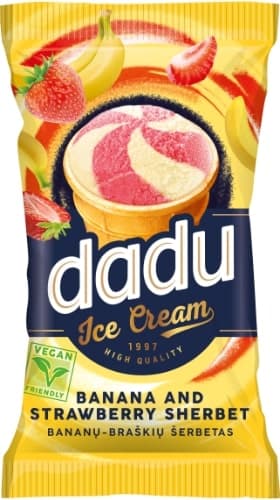
Sherbet DADU with strawberrys and bananas 120ml
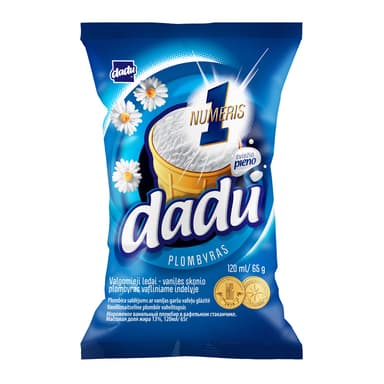
Vanilla ice cream DADU, 120 ml / 65 g

Onu Eskimo, vanilla flavored ice cream with candy pieces in waffle cone
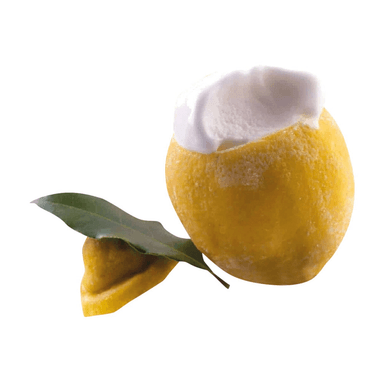
Fruit-flavored edible ice cream in lemon LIMONE
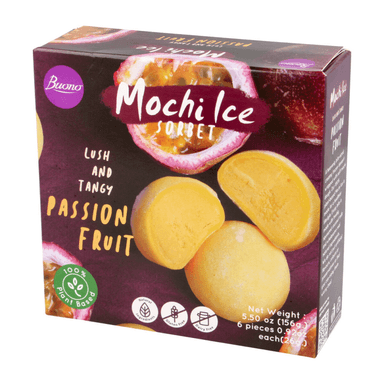
Passion Fruit Edible Mochi Ice Cream
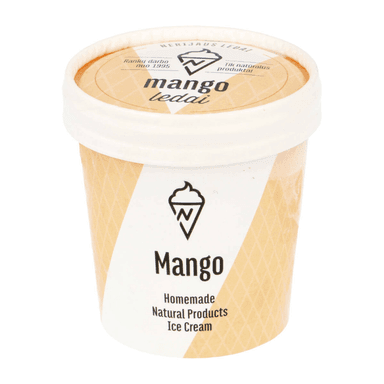
Mango fruit edible ice cream
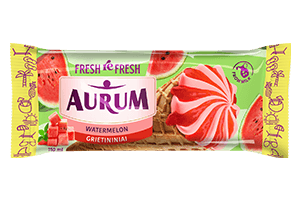
Watermelon-flavored ice cream with watermelon filling AURUM 150ml
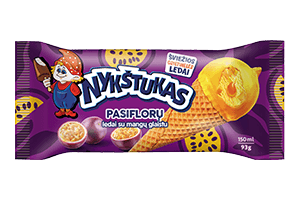
Passion fruit flavored ice cream NYKŠTUKAS 150ml
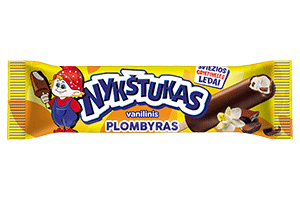
Coated vanilla ice cream THUMB, 80 ml
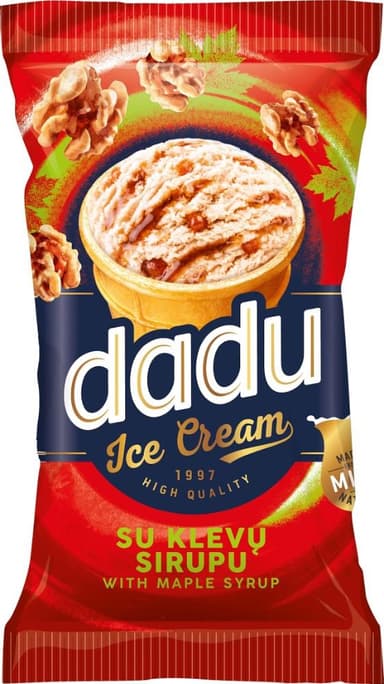
Maple syrup flavour ice cream DADU, with greek nuts and maple syrup filling, 120 ml / 73 g
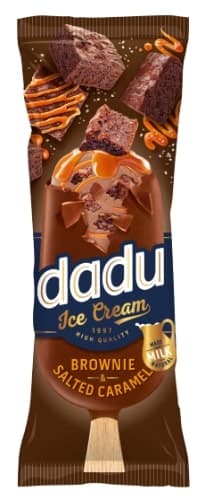
Choc. cov. ice cr. DADU, w choc. truffl. piec.&salt.car.fill,100ml/63g
Lemon, strawberry, and pineapple flavored fruit ice TWISTER GREEN, 80ml
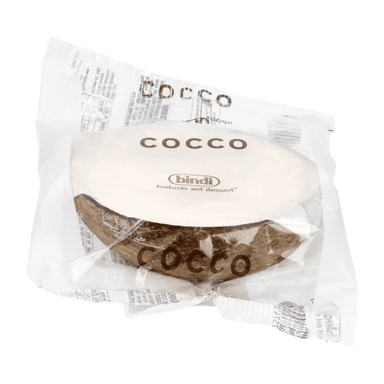
Coconut Plombir COCCO

Premia Caramel and Vanilla Ice Cream with Lingonberry Jam

Peppermint cream ice cream with chocolate pieces in waffle cone
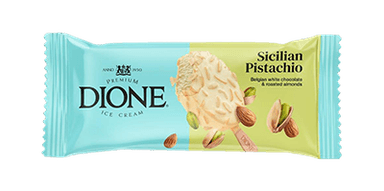
DIONE pistachio ice cream with chocolate 90 ml

Onu Eskimo, Chocolate-Cream Ice Cream
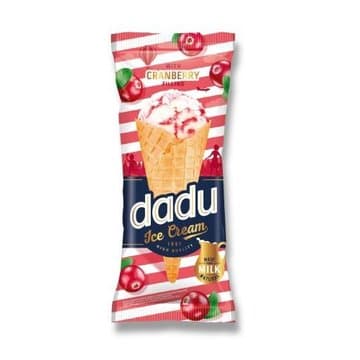
Ice cream DADU with cranberry filling, in waffle cone 200 ml
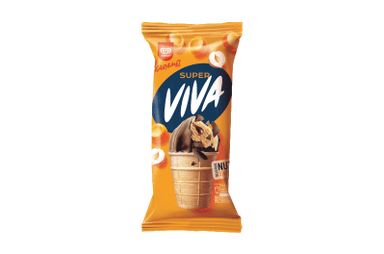
SUPER VIVA CUP CARAMEL & NUT Ice Cream 170ml
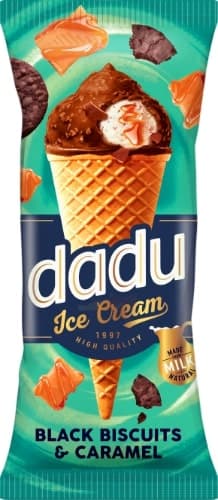
DADU vanilla ice cream with caramel filling and cocoa biscuit pieces,
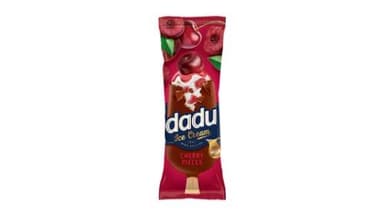
Chocolate gl. vanilla ice cr. DADU, w cherry piec. & cherr. 100ml/63g
