
DAKTARIŠKA EXTRA boiled sausage, 600g
112 people viewed this product
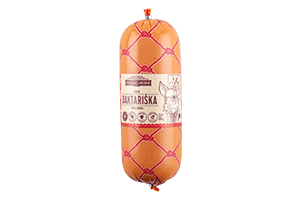
DAKTARIŠKA EXTRA boiled sausage, 600g
Unlock Full Product Analysis
Get AI-powered ingredient breakdowns, personalized health insights, and smarter food choices — all inside Telegram.
Noticed incorrect or incomplete information about this product?
Report a problem?
Similar Products
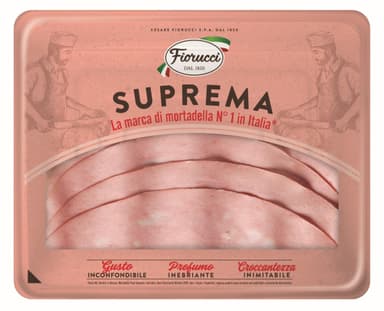
Boiled pork sausage FIORUCCI Suprema, in slices, the highest type, 120
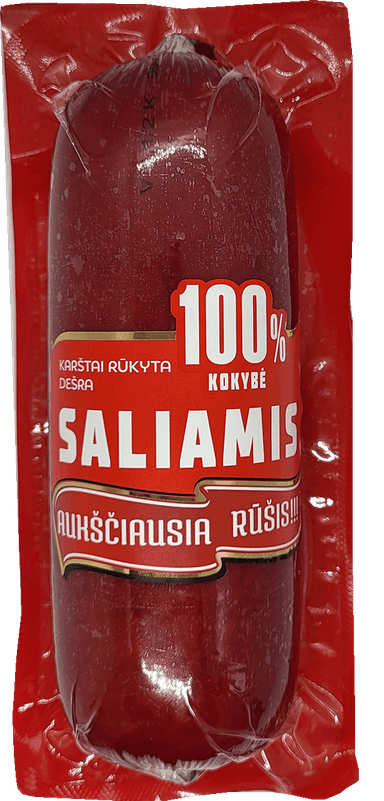
Cooked smoked sausage SAMSONO SALIAMIS, 350 g
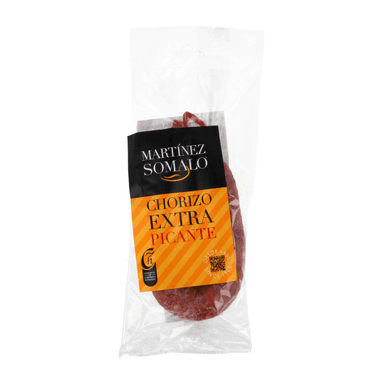
Cured spicy pork sausage CHORIZO EXTRA PICANTE
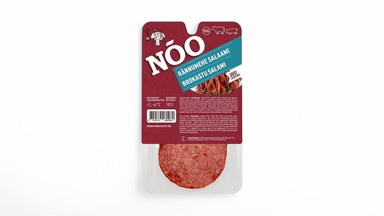
Nõo Traveller's Salami
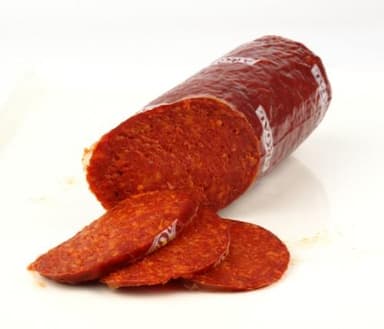
Spanish cured sausage CHORIZO PAMPLONA, extra, ~1,7 kg
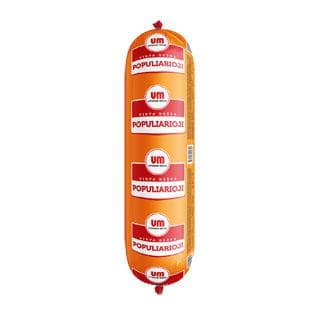
Boiled sausage POPULIARIOJI, II cat, 800 g
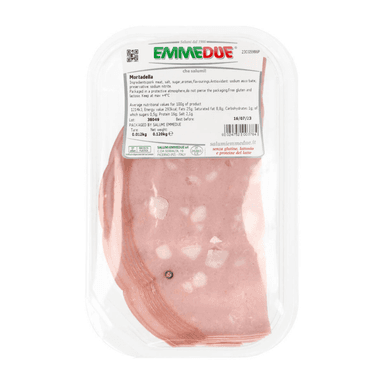
Sliced cooked pork sausage MORTADELLA
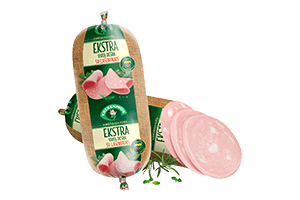
DAKTARISHKA boiled sausage, 340 g
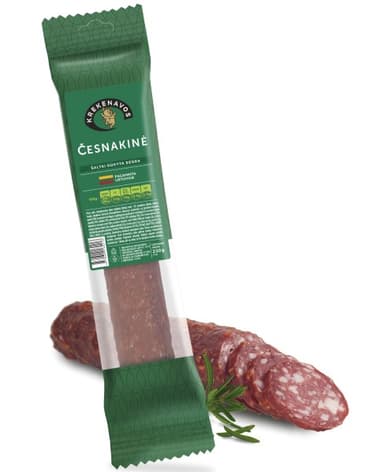
Cold smoked sausage KREKENAVOS Česnakinė , 230 g
SAMSONO cooked sausage with bits of bacon, 600g
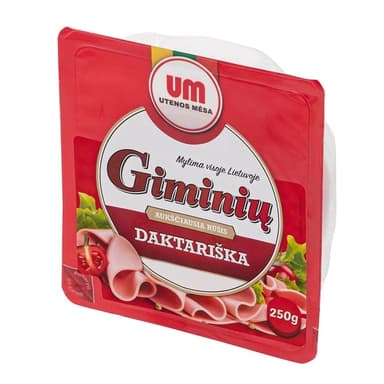
Boiled sausage GIMINIŲ, sliced, 250 g
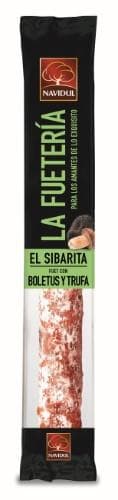
Spanish dried sausage NAVIDUL, Fueteria Sibarita, 150 g
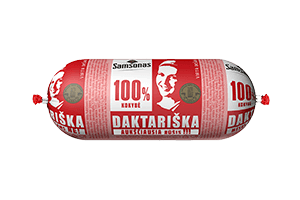
SAMSONO PANERIO boiled sausage 330g
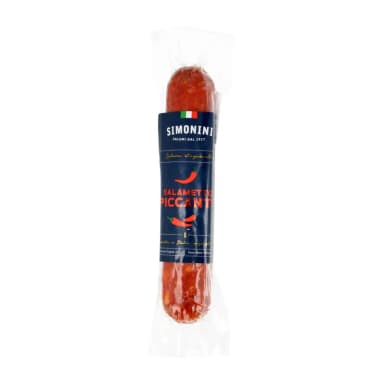
Pork sausage with spicy peppers PICCANTE
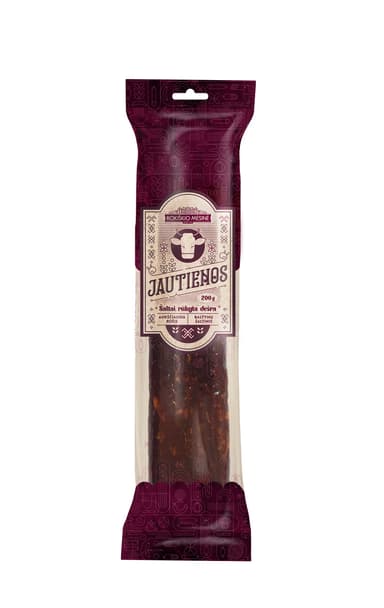
Cold smoked beef sausage, 200g
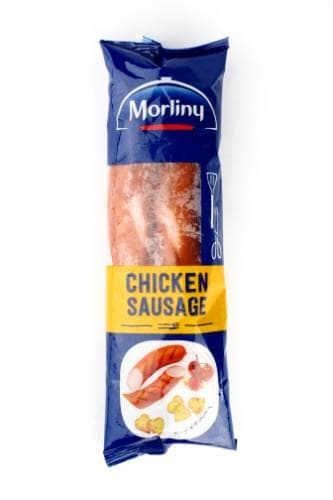
Chicken breast sausage 93 % meat, 400 g
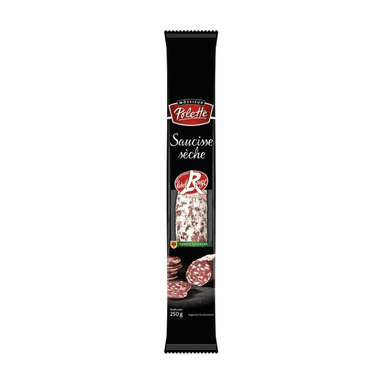
Cured pork sausage SAUCISSE SECHE D’AUVERGNE IGP
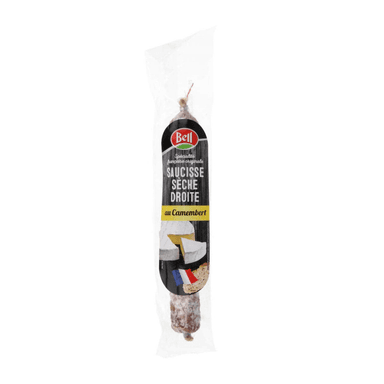
Cured pork sausage with CAMEMBERT cheese
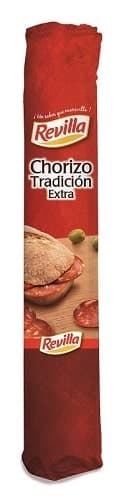
Dried sausage Campofrio REVILLA, Chorizo, traditional, 450 g
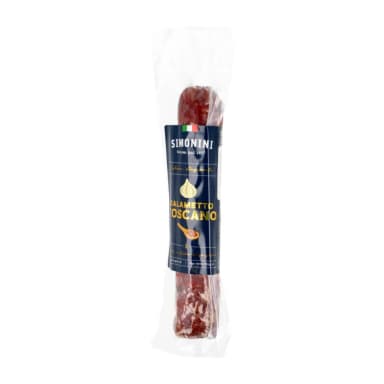
TOSCANO Pork Sausage

Cooked smoked sausage AMBASADORIU SALIAMIS, ~500 g
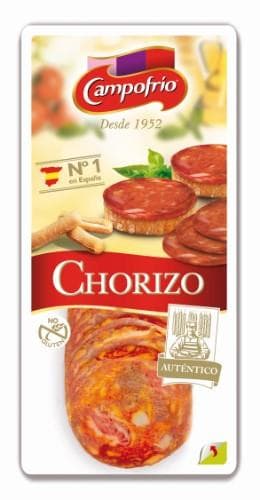
Dried pork sausage CAMPOFRIO, Chorizo, sliced, I r., 80g

Fresh grilled sausages in lamb casings
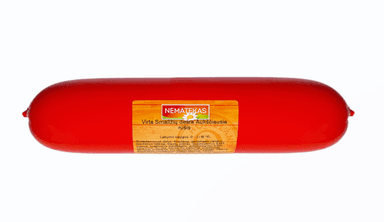
Boiled sausage A.r. NEMATEKAS sweets, 0.5 kg.
