
/
Meat fish and culinary preparation
/Meat products
/Sausage
/Dried sausage Campofrio REVILLA, Chorizo, traditional, 450 g
Dried sausage Campofrio REVILLA, Chorizo, traditional, 450 g
197 people viewed this product
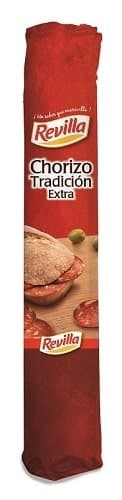
Dried sausage Campofrio REVILLA, Chorizo, traditional, 450 g
Unlock Full Product Analysis
Get AI-powered ingredient breakdowns, personalized health insights, and smarter food choices — all inside Telegram.
Noticed incorrect or incomplete information about this product?
Report a problem?
Similar Products
Aukštaitian cold-smoked sausage 230g
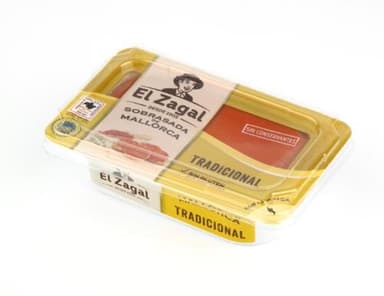
Dried sausage, SOBRASADA de MALLORCA, tubs, traditional, I r., 200g
Oskar Smoked Beef Sausage, Sliced, 100 g
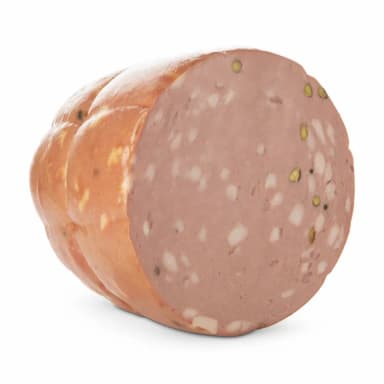
Cured pork sausage MORTADELLA PISTACHIO
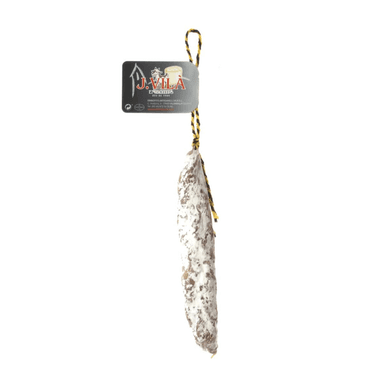
Dried pork sausage with goat cheese FUET
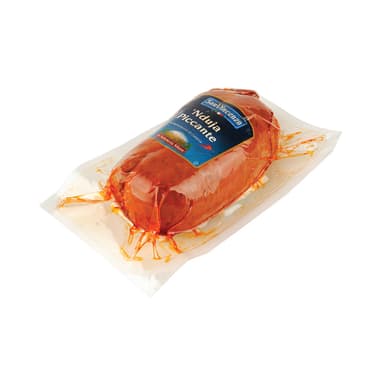
Dried spreadable pork sausage Nduja, IT, piquant ~400 g
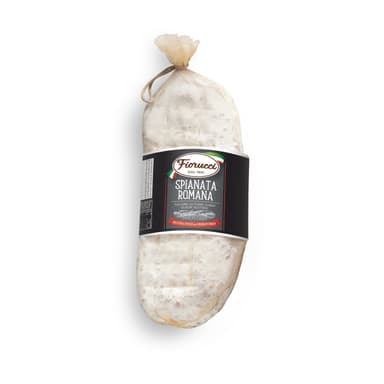
Cured salami sausage Spianata Romana FIORUCCI, type I, ~1kg
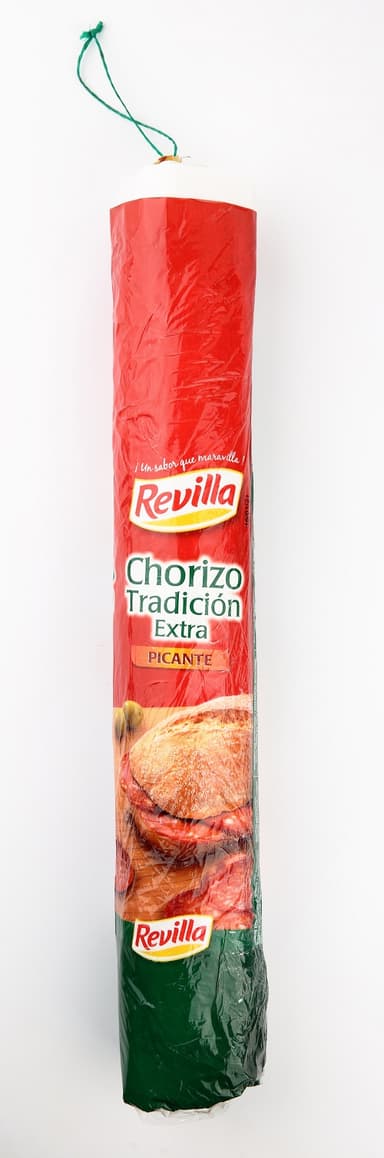
Dried sausage Campofrio REVILLA, Chorizo, spicy ~ 1.4 kg

Riga Butcher Spanish Salami 200g
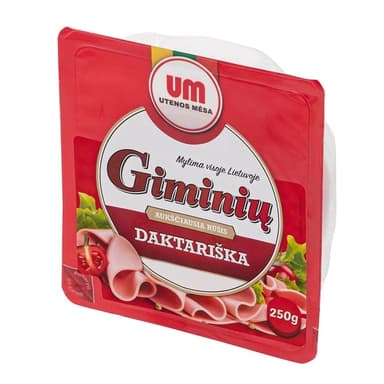
Boiled sausage GIMINIŲ, sliced, 250 g
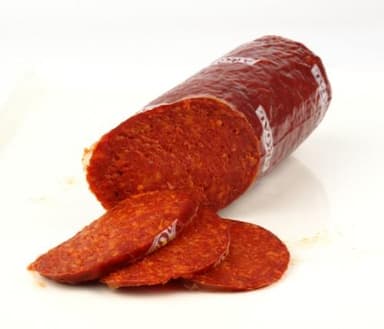
Spanish cured sausage CHORIZO PAMPLONA, extra, ~1,7 kg
Aukštaitian Doctor's boiled sausage, 350g
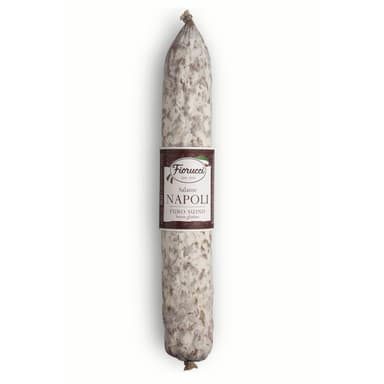
Cured salami sausage FIORUCCI, Napoli, I r., ~1.5kg
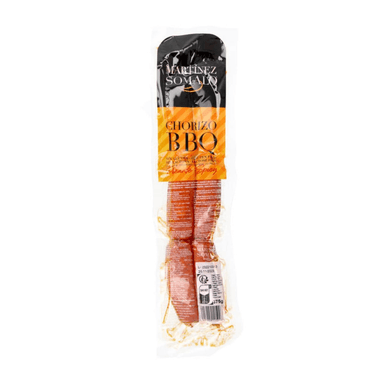
Spicy Pork Grilling Sausages CHORIZO BBQ
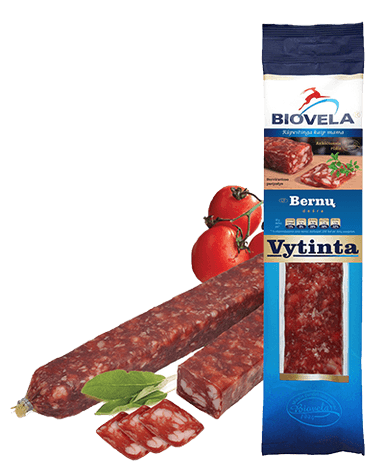
Dried BERNŲ sausage, a. r., 200 g
BAJORŲ hot smoked sausage, 400 g
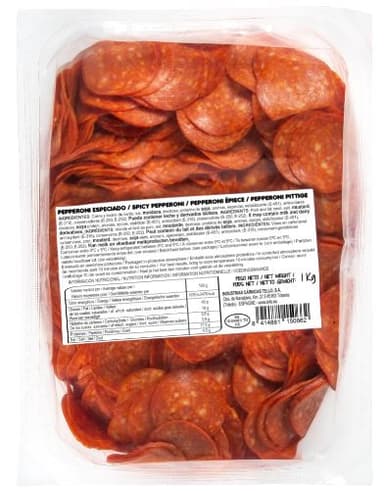
Spanish sausage TELLO Pepperoni, sliced, 1 kg
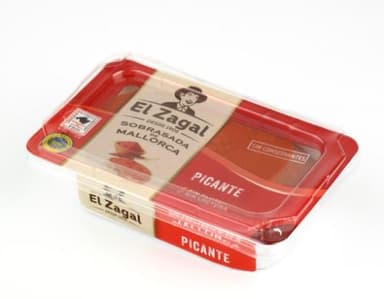
Dried sausage, SOBRASADA de MALLORCA, tubs, spicy, I r., 200g
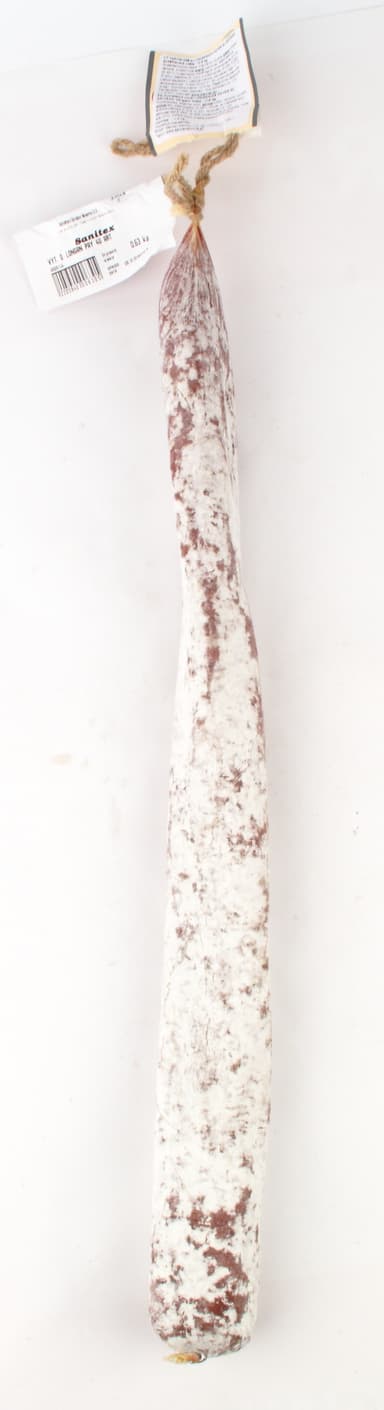
Dried sausage LONGANIZA PAYES 4U ARTISAN, extra, ~0,6 kg
Dried Spanish sausage FUET EKSTRA PEPPER, 150 g
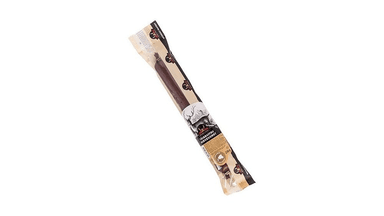
Linnamäe Full Smoked Venison Sausage
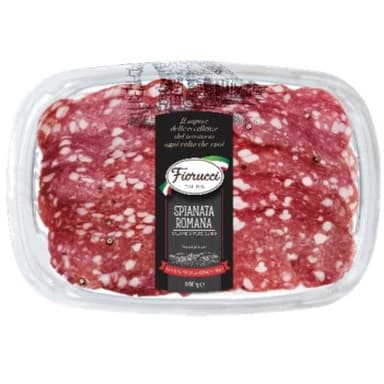
Cured saliami sausage FIORUCCI,slices, type I 100g
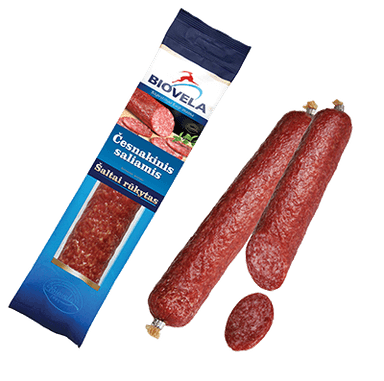
Garlic cold smoked salami, 230 g
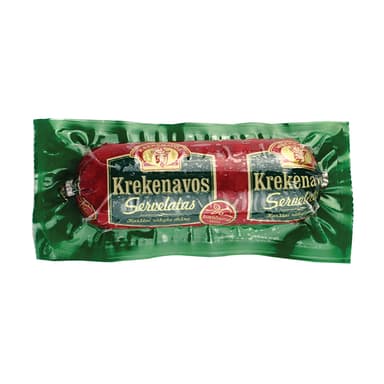
Hot smoked KREKENAVOS servelatas, 280 g
