
SAMSONO PANERIO boiled sausage 330g
105 people viewed this product
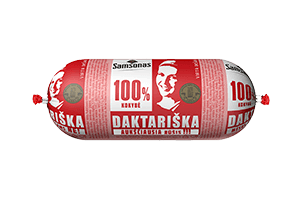
SAMSONO PANERIO boiled sausage 330g
Unlock Full Product Analysis
Get AI-powered ingredient breakdowns, personalized health insights, and smarter food choices — all inside Telegram.
Noticed incorrect or incomplete information about this product?
Report a problem?
Similar Products
Dried sausage BERNU, 9 g
Boiled sausage GIMINIŲ, sliced, 250 g
Cooked sausage SAMSONO DAKTARISKA, 330 g
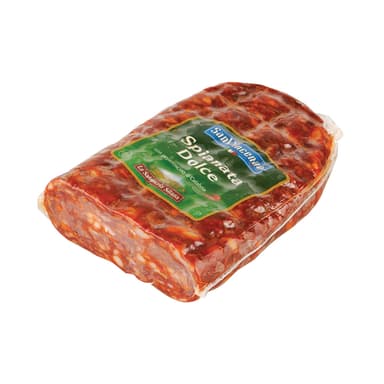
Dried salami SPIANATA, mild, ~850 g
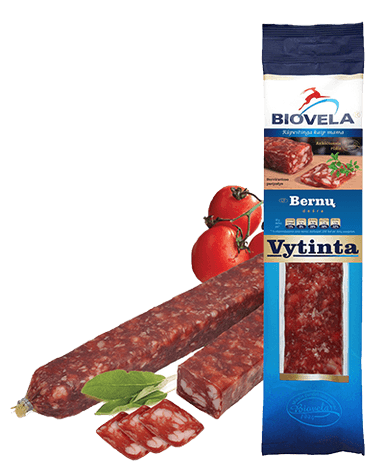
Dried BERNŲ sausage, a. r., 200 g
Aukštaitian Doctor's boiled sausage, 350g
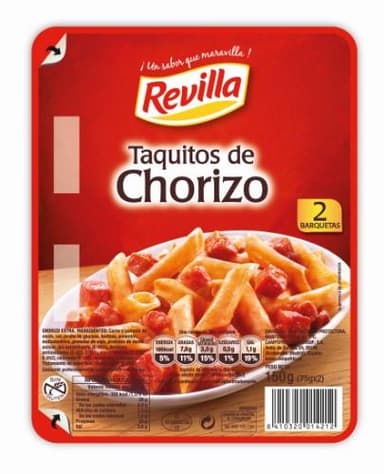
Cured sausage REVILLA, Chorizo, diced, 150 g
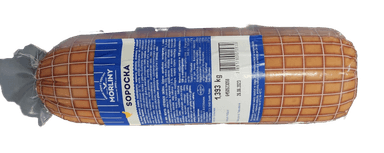
Chicken file cooked smoked sausage MORLINY, 1,5kg
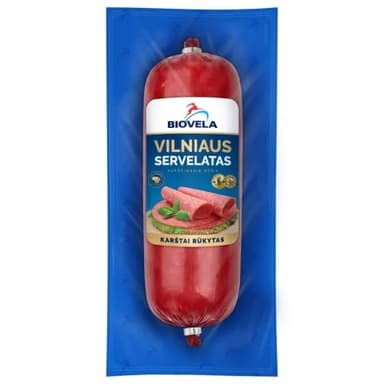
Hot smoked servelat BIOVELA, Vilnius, the highest grade, 280 g
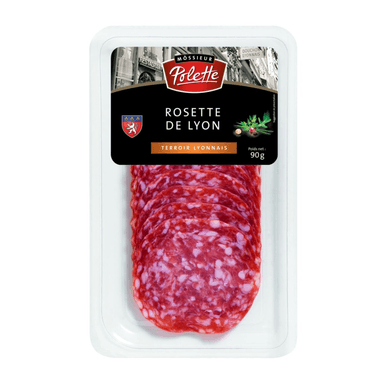
Cured pork sausage ROSETTE
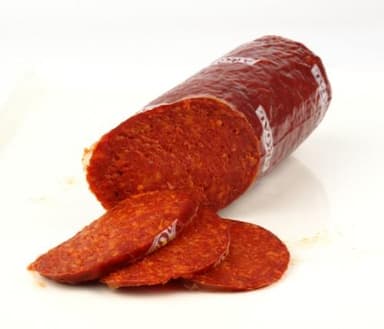
Spanish cured sausage CHORIZO PAMPLONA, extra, ~1,7 kg
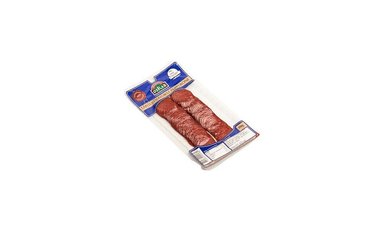
Pepperoni sliced fully smoked sausage 80 g
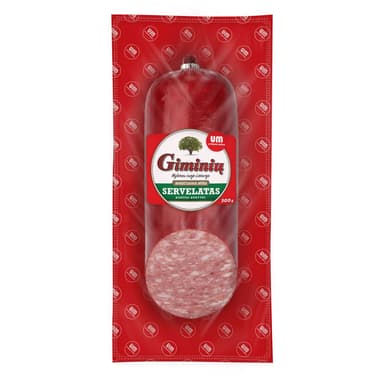
Hot smoked servelat GIMINIŲ, the highest grade, 300 g
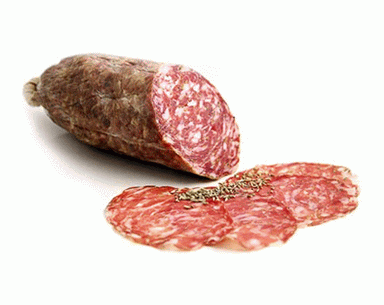
Italian dried sausage SALUMERIA DI MONTE SAN SAVINO, Finocchiona,~750g
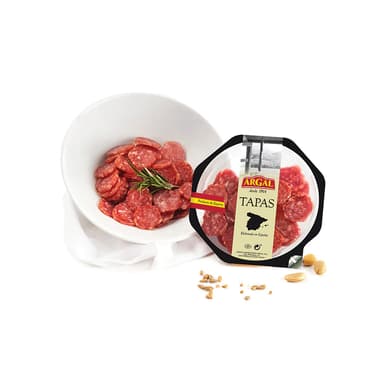
Dried sausage tapas FUET sliced, extra, 80 g
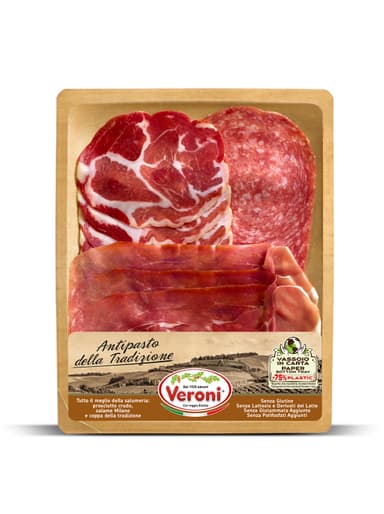
Collection of Italian products, 110 g
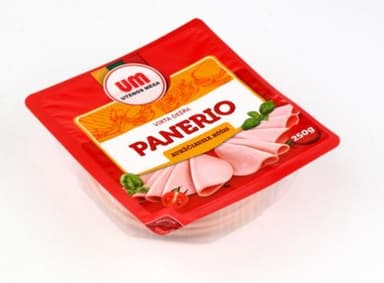
Boiled sausage Panerio, 250 g

Elpozo Fuetec salami
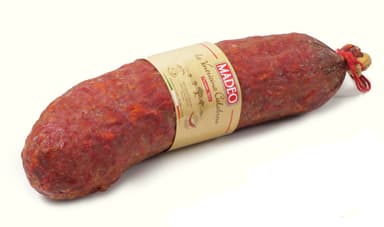
Dried sausage MADEO Ventricina Calabrese, spicy, ~1,8 kg
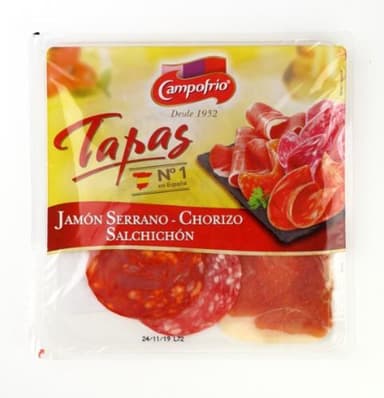
Tapas Mixxed slice CAMPOFRIO, I r., 120g
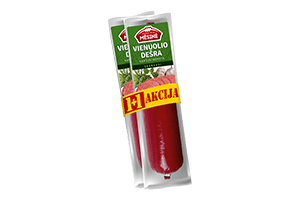
VIENUOLIO hot smoked sausage, 1+1, 600 g
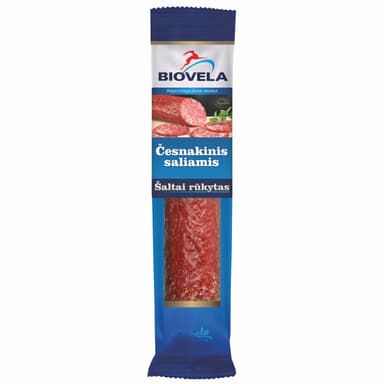
Cold smoked salami Česnakinis, II class, 230g
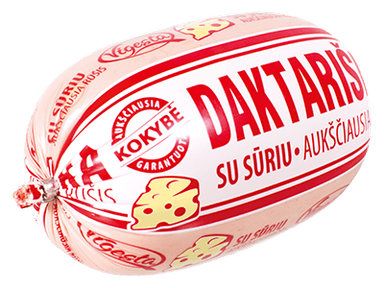
Boiled Doctor's Sausage QUALITY with Cheese, 600 g
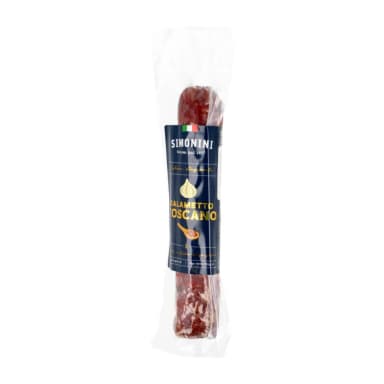
TOSCANO Pork Sausage
