
Tapas Mixxed slice CAMPOFRIO, I r., 120g
101 people viewed this product
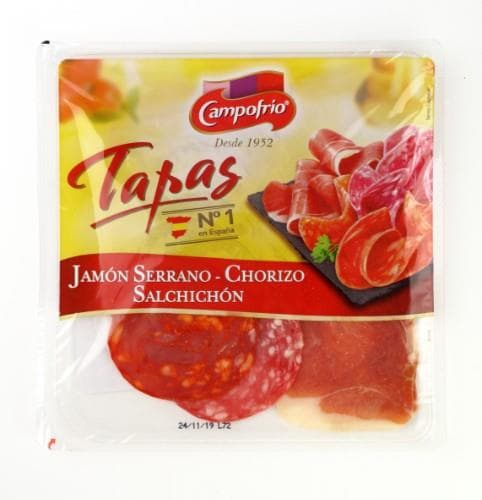
Tapas Mixxed slice CAMPOFRIO, I r., 120g
Unlock Full Product Analysis
Get AI-powered ingredient breakdowns, personalized health insights, and smarter food choices — all inside Telegram.
Noticed incorrect or incomplete information about this product?
Report a problem?
Similar Products
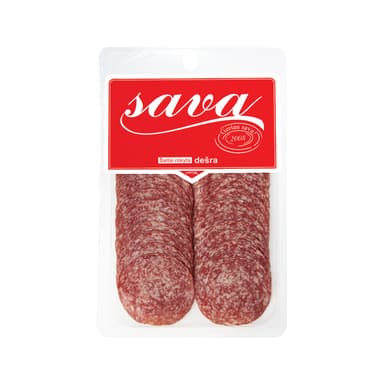
Cold smoked sausage SAVA, sliced, II r., 90g
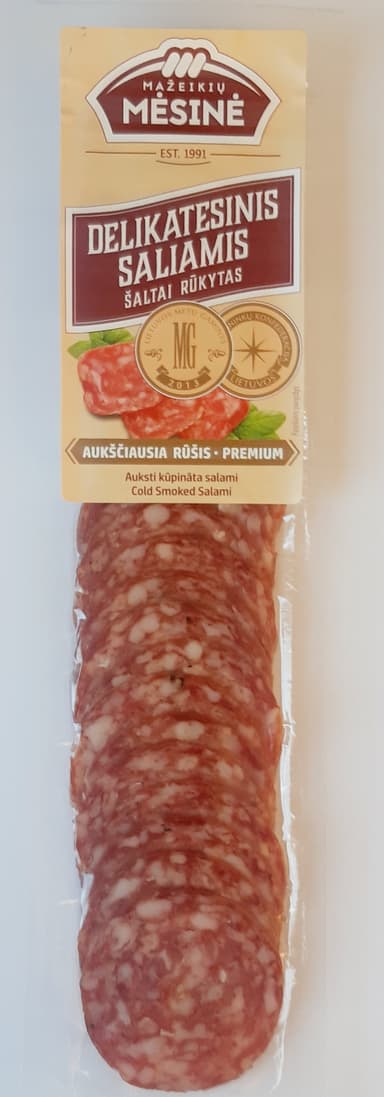
Cold smoked sausage „Delikatesinis saliamis", sliced 90 g
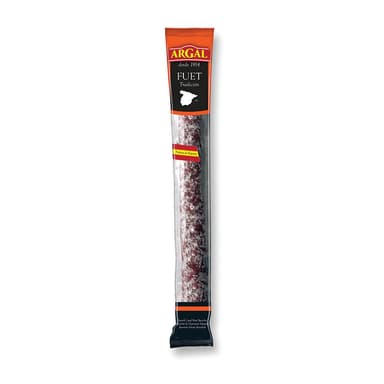
Spanish cured sausage ARGAl FUET, extra, 160 g
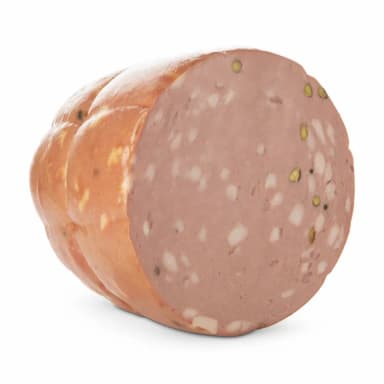
Cured pork sausage MORTADELLA PISTACHIO
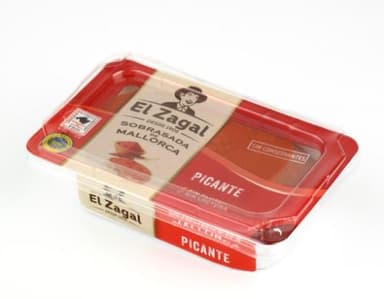
Dried sausage, SOBRASADA de MALLORCA, tubs, spicy, I r., 200g
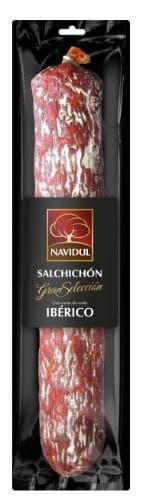
Dried sausage NAVIDUL Salchichon Iberico Gran Seleccion, 225 g
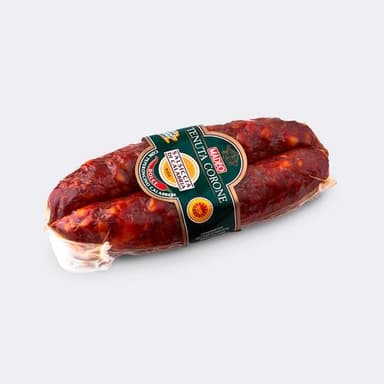
Dried sausage SALSICCA PDO, 1r., ~ 250 g
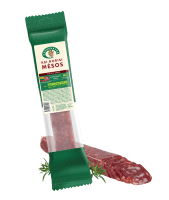
Cured Sausage WHEN YOU CRAVE MEAT 200g
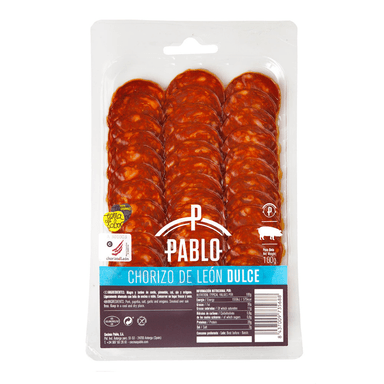
Cured pork sausage CHORIZO DE LEON DULCE
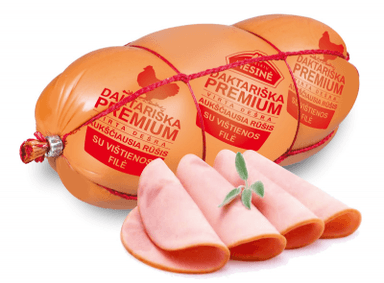
DAKTARIŠKA PREMIUM cooked sausage with chicken fillet, 500g
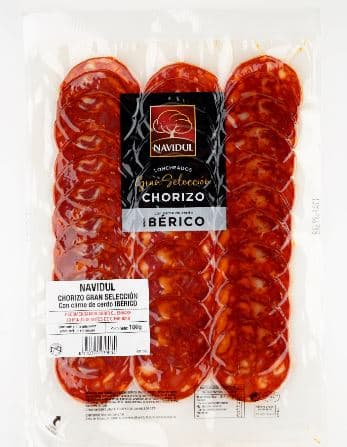
Sausage NAVIDUL Chorizo Gran Seleccion, sliced, 100 g
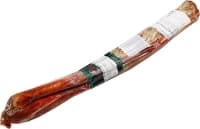
Cured spanish pork loin, ~1,3 kg
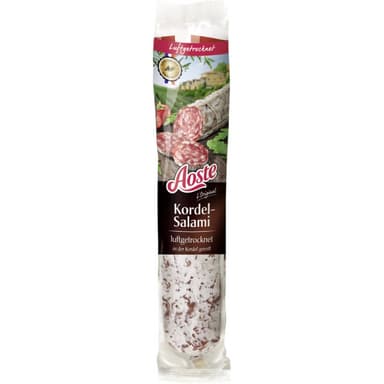
Dried pork sausage AOSTE Kordel-Salami , 250g
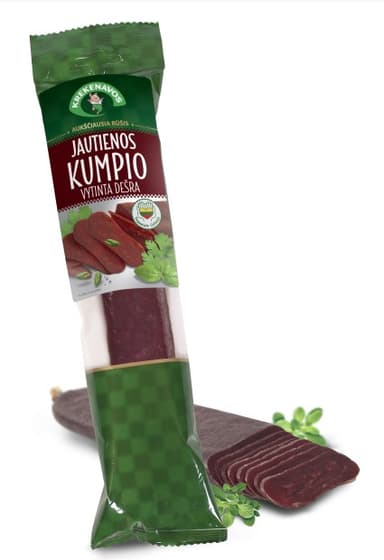
Dried beef notch sausage, in gas200 g

Maks&Moorits Grilled Sausages, Tasty, 900g
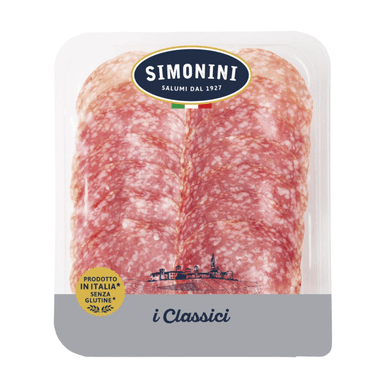
Sliced MILANO salami, cured
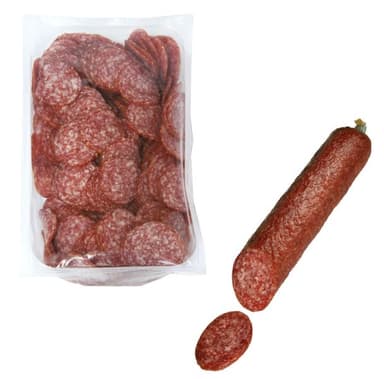
Cold smoked salami Picos, I class, 400g
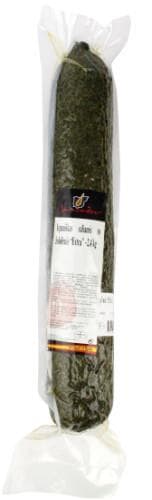
Salami EXTRA, with fine herbs, ~2,4 kg
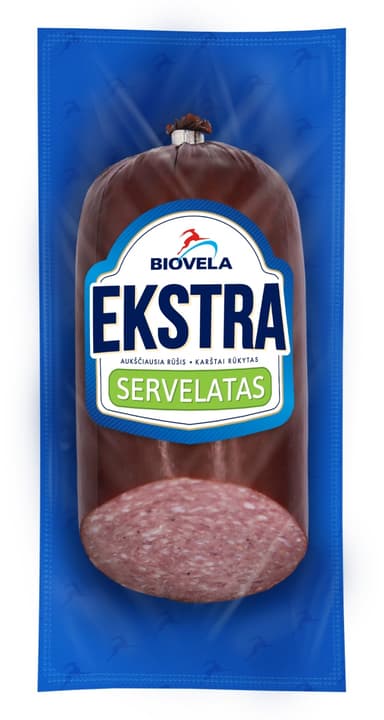
Hot smoked servelat BIOVELA Ekstra, the highest grade, 400 g
Cold smoked TAURUS sausage, 160 g
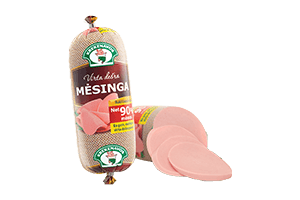
KAI NORISI Meat Boiled Sausage, 340g
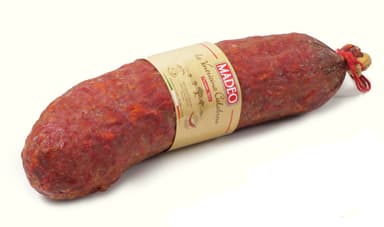
Dried sausage MADEO Ventricina Calabrese, spicy, ~1,8 kg
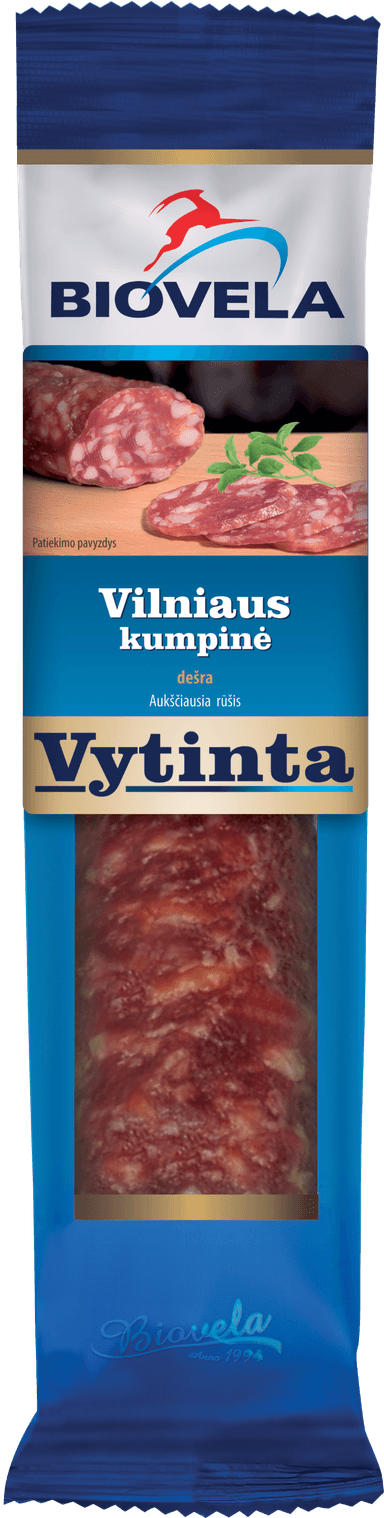
Dried ham sausage Vilnius, extra class, 200g
Boiled GARDŽIOJI sausage RAGNOS, 1 kg
