
/
Frozen products
/Ice cream icecubes
/Ice cream portions
/Ice cream "THREE BEARS" TM "Ice-boom" "Volcano" multilayer stick,70g, 70 ml
Ice cream "THREE BEARS" TM "Ice-boom" "Volcano" multilayer stick,70g, 70 ml
126 people viewed this product
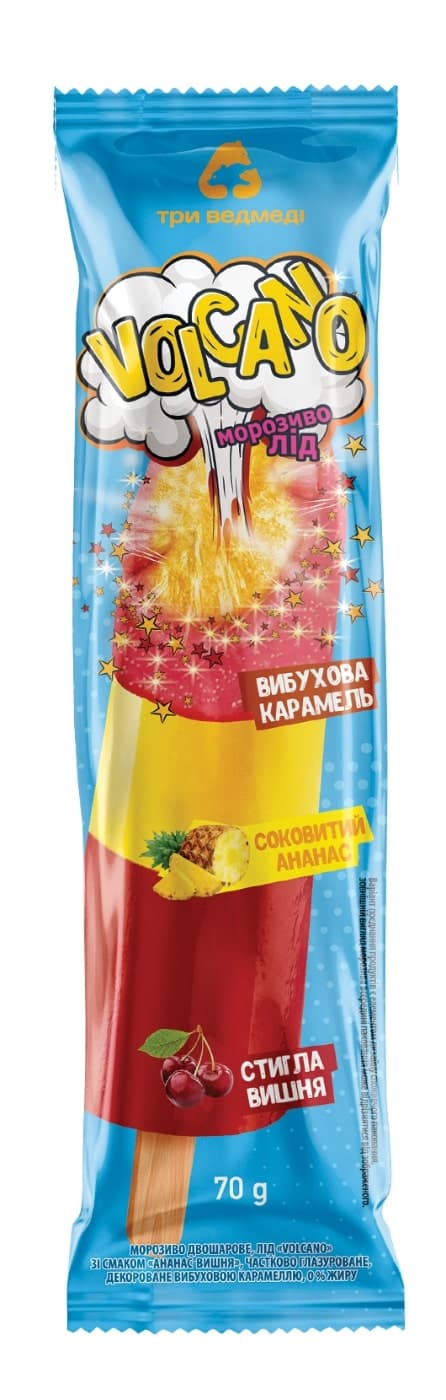
Ice cream "THREE BEARS" TM "Ice-boom" "Volcano" multilayer stick,70g, 70 ml
Unlock Full Product Analysis
Get AI-powered ingredient breakdowns, personalized health insights, and smarter food choices — all inside Telegram.
Noticed incorrect or incomplete information about this product?
Report a problem?
Similar Products
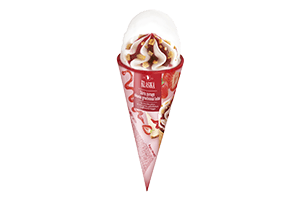
Cheesecake-flavored ice cream with strawberry filling CLASSIC, 220ml
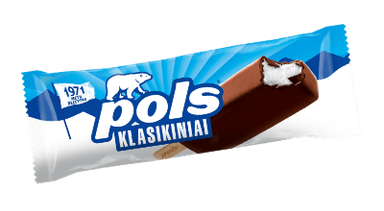
POLS cream-based edible ice cream, 120 ml
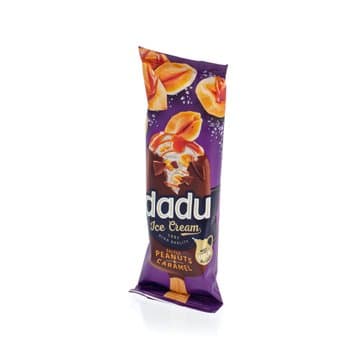
Chocolate gl. vanilla ice cr. DADU, w salt.caram. nuts 100ml/63g
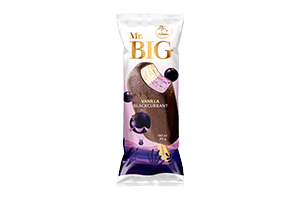
Vanilla/blackcurrant ice cream with chocolate glaze MR.90g
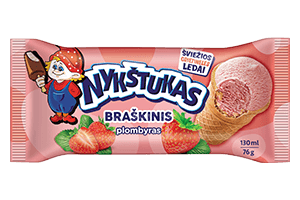
Strawberry ice cream with strawberries NYKŠTUKAS, 130ml

Vanilla Ninja, Chocolate ice cream in chocolate coating
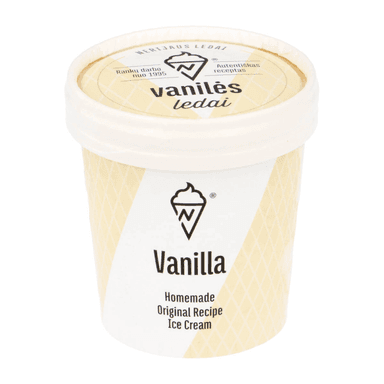
Vanilla creamy edible ice cream

Cream ice cream with glaze
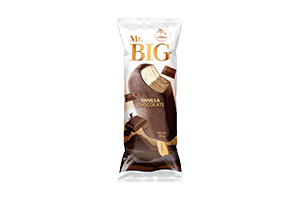
MR.BIG Vanilla Ice Cream with Chocolate Coating 90g

Very Rich, Cream Ice Cream with Blackberry Jam, 200 ml

Vanilla Ninja, Peppermint flavoured ice cream in coating
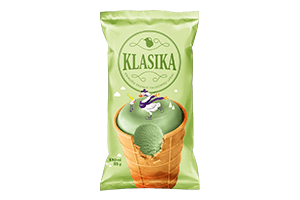
CLASSIC pear-flavored edible ice cream, 120ml
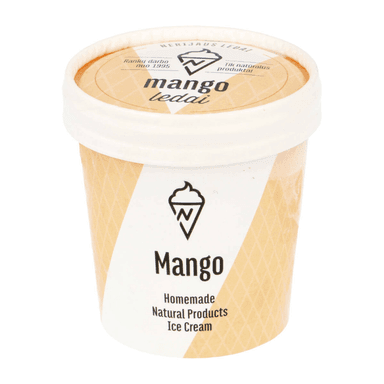
Mango fruit edible ice cream

Onu Eskimo, Vanilla flavoured ice cream in waffle cone
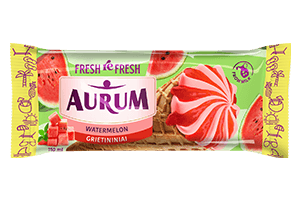
Watermelon-flavored ice cream with watermelon filling AURUM 150ml
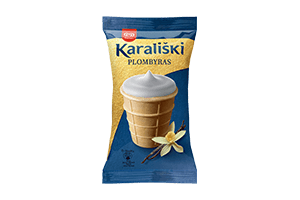
Ice Cream ROYAL PLOMBIR, 120ml
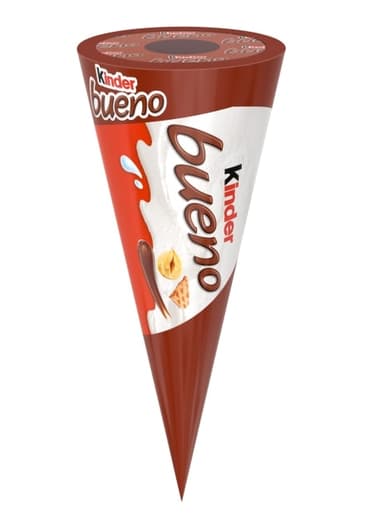
KINDER BUENO ICE CREAM cone, 62g/90ml
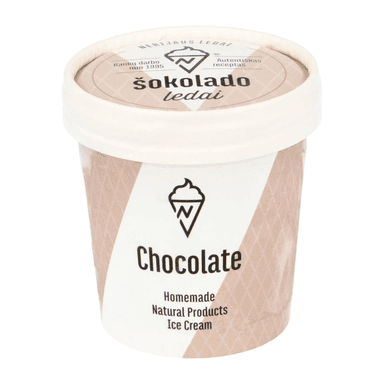
Chocolate cream edible ice cream
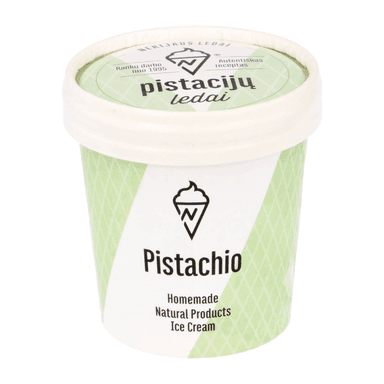
Pistachio dairy edibles ice cream
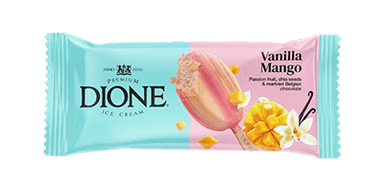
DIONE vanilla mango ice cream 90 ml
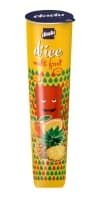
Fruit juice ice cream DICE MULTI tropical flavor, 110 ml

Very Rich, Cream Ice Cream in Waffle Cone
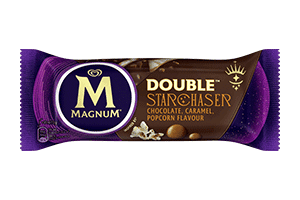
Ice Cream MAGNUM DOUBLE STARCHASER 85 ml
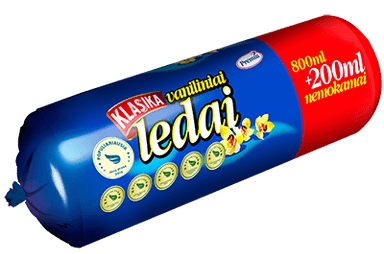
Classic Vanilla Ice Cream, 1000 ml
