
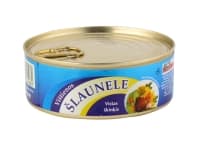
Liver pate, 240 g
118 people viewed this product
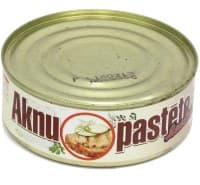
Liver pate, 240 g
Unlock Full Product Analysis
Get AI-powered ingredient breakdowns, personalized health insights, and smarter food choices — all inside Telegram.
Noticed incorrect or incomplete information about this product?
Report a problem?
Similar Products
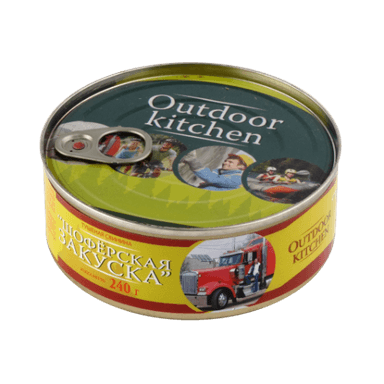
Stewed pork Vairuotoju uzkandis, 240 g

Canned beef, stewed, 240 g
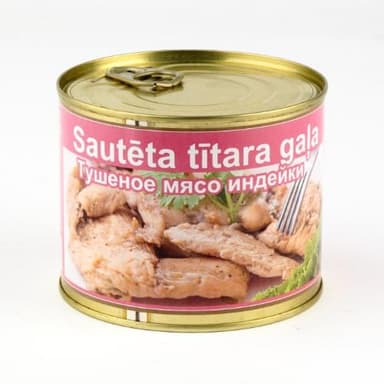
Canned stew turkey meat clasik, 525 g
Stewed beef, 240 g
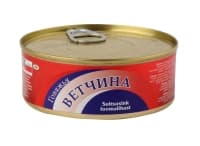
Pork ham, canned, 250 g

Canned chicken, stewed, 240 g

Chicken Aspic
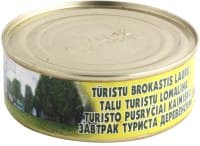
Tourist breakfas, preserved, 250 g

Presto, Thai Curry with Pork

Pork in its own juice
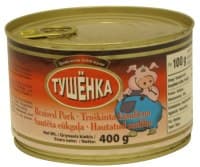
Braised pork, 400 g
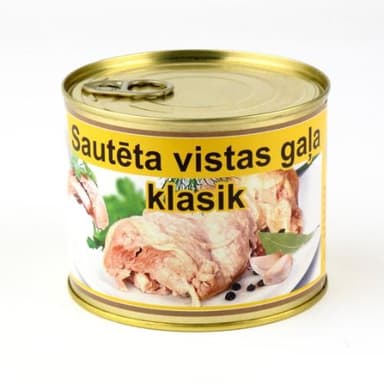
Canned stew chicken meat clasik, 525 g
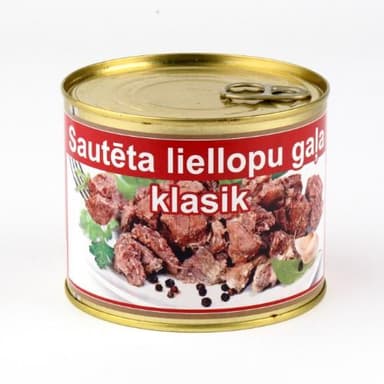
Canned stew beef clasik, 525 g
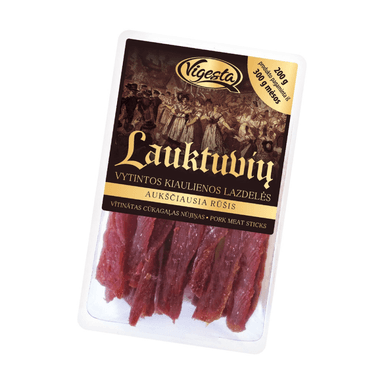
Dried pork sticks for gifts, top quality
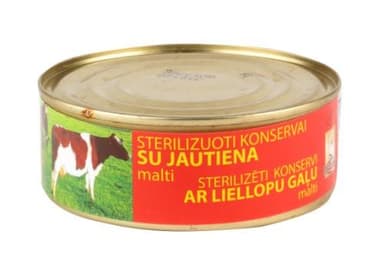
Potted beef, preserved, 240 g
Stewed beef, 97%, 325 g
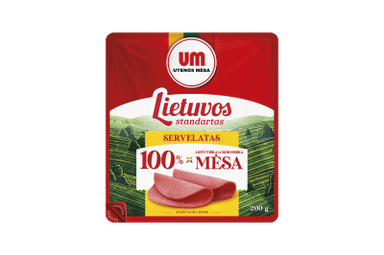
K.rūk.serv. LITHUANIAN STANDARD 200g

Rannarootsi, Duck meat in its own juice
Preserved Pork Shank, 300 g

Rannarootsi, Beef in its own juice, 240 g
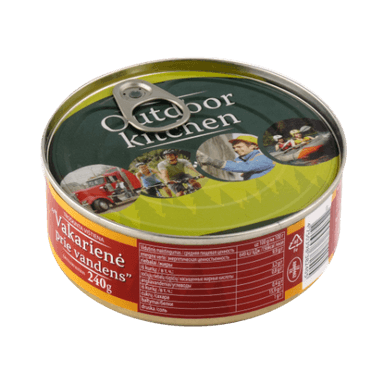
Stewed chicken Vakariene prie vandens, 240 g
Stewed chicken in jelly, 24 g
Chicken hips, canned, 250 g

Canned chicken thighs, 525 g
