
/
Frozen products
/Ice cream icecubes
/Ice cream portions
/Pear-flavored ice cream with salted caramel filling AURUM, 150ml
Pear-flavored ice cream with salted caramel filling AURUM, 150ml
126 people viewed this product
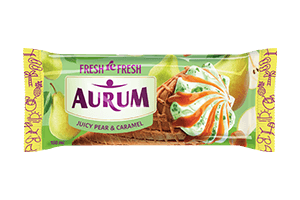
Pear-flavored ice cream with salted caramel filling AURUM, 150ml
Unlock Full Product Analysis
Get AI-powered ingredient breakdowns, personalized health insights, and smarter food choices — all inside Telegram.
Noticed incorrect or incomplete information about this product?
Report a problem?
Similar Products
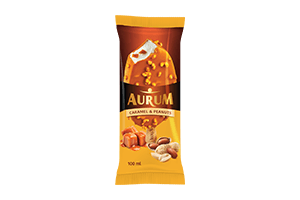
Vanilla-flavored edible ice cream coated with caramel-flavored glaze and peanuts AURUM 100ml

Vanilla Ninja, Peppermint flavoured ice cream in coating
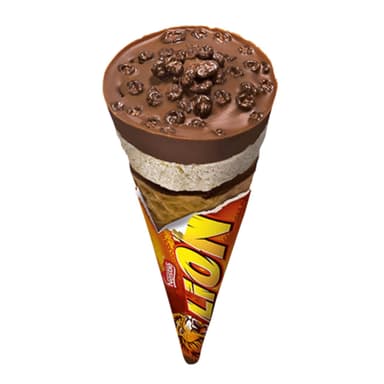
Edible ice cream LION, waffle,110

Song and Dance Ice Cream with Strawberries, Blueberries and Raspberries in Waffle Cone
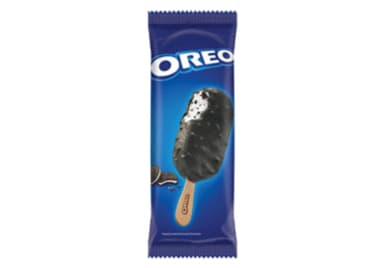
Edible ice cream OREO, on a stick, 90 ml
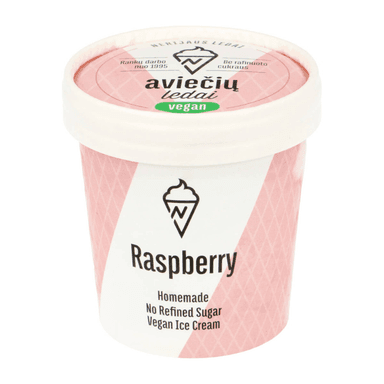
Vegan Raspberry Sorbet
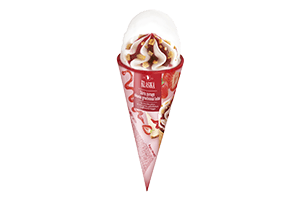
Cheesecake-flavored ice cream with strawberry filling CLASSIC, 220ml
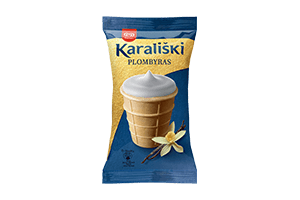
Ice Cream ROYAL PLOMBIR, 120ml
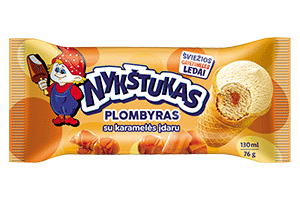
Caramel ice cream NICKNAME, 130 ml
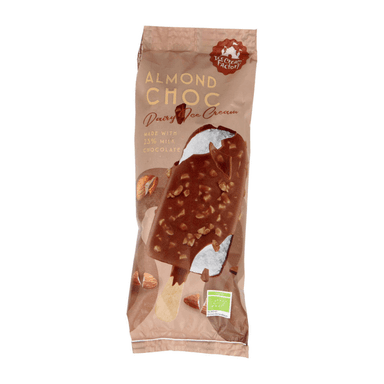
Glazed vanilla ice cream ALMOND CHOC, on a stick, organic
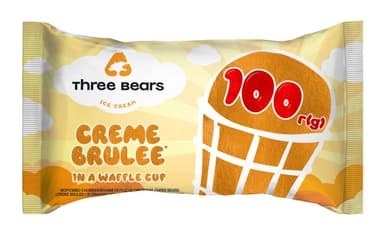
Ice cream "THREE BEARS" TM "Creme-brulee" waffle cup, 100 g, 150 ml

Premia vanilla and mango cream ice cream with apricot filling
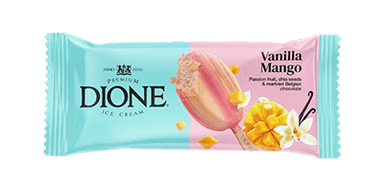
DIONE vanilla mango ice cream 90 ml
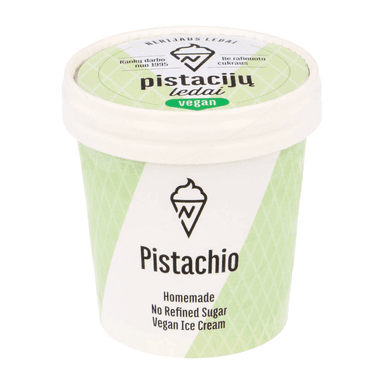
Vegan pistachio edible ice cream
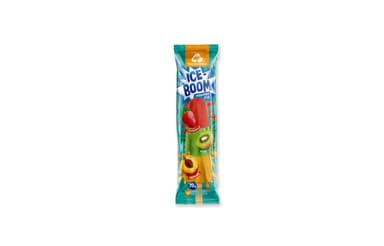
Ice cream "THREE BEARS" "Ice-boom" "Strawberry-kiwi-peach" multilayer,
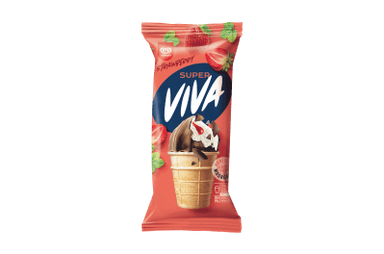
Ice Cream SUPER VIVA CUP VANILLA & STARW 170ml

Balbiino, Cream ice cream with strawberry jam and milk chocolate pieces in waffle cone

Cream ice cream with glaze
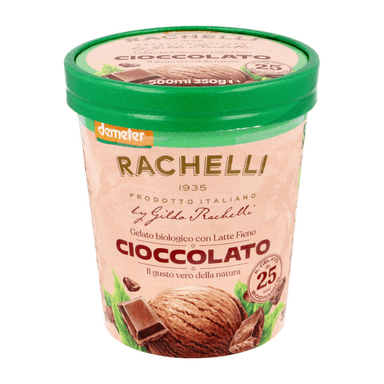
Chocolate creamy edible ice cream CIOCCOLATO, organic
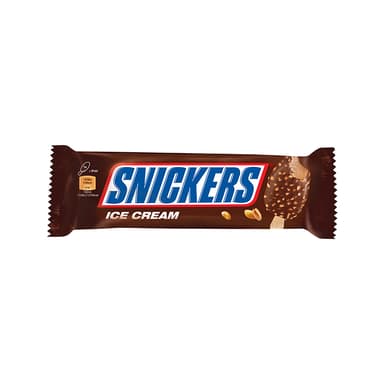
SNICKERS Ice on stick 91ml
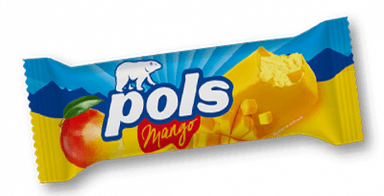
Creamy mango ice cream with mango glaze, 120 ml
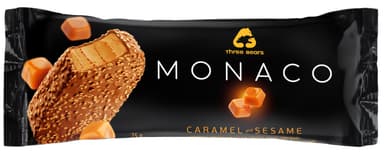
Ice cream MONACO "Caramel-sesame" glazed stick 75g,140 ml
Carbonated water flavored edible ice AURUM FREEZE, 70ml
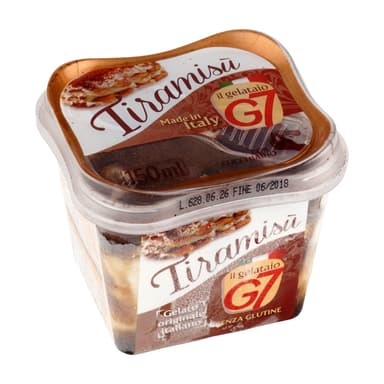
Italian icecream G7 Tiramisu, tiramisu taste, 150 ml
