
/
Frozen products
/Ice cream icecubes
/Ice cream portions
/DADU vanilla ice cream with caramel filling and cocoa biscuit pieces,
DADU vanilla ice cream with caramel filling and cocoa biscuit pieces,
163 people viewed this product
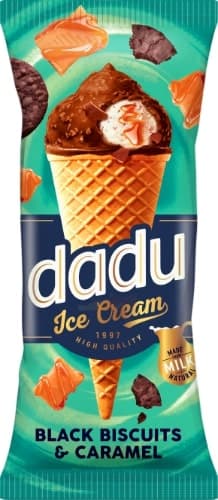
DADU vanilla ice cream with caramel filling and cocoa biscuit pieces,
Unlock Full Product Analysis
Get AI-powered ingredient breakdowns, personalized health insights, and smarter food choices — all inside Telegram.
Noticed incorrect or incomplete information about this product?
Report a problem?
Similar Products

Onu Eskimo, Chocolate and cream ice cream with chocolate pieces in waffle cone
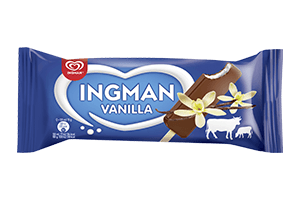
INGMAN VANILLA Ice Cream 120 ml
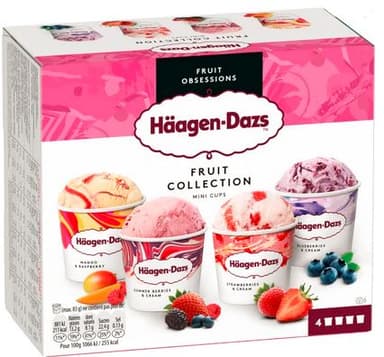
Ice Cream Set HAAGEN DAZS Fruit Collection, 4x95ml
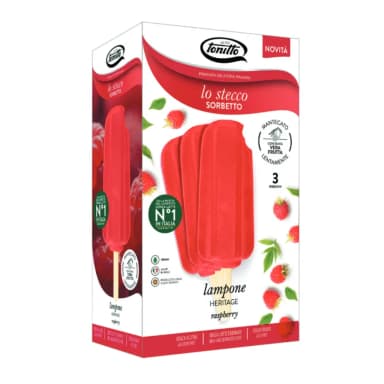
Raspberry sorbet by the scoop
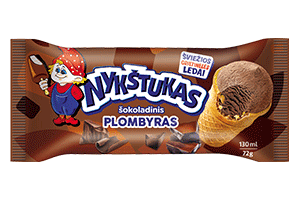
Chocolate ice cream NYKŠTUKAS, 130 ml
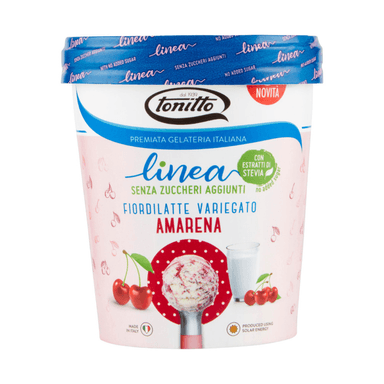
Creamy edible ice cream with cherry syrup, no added sugar
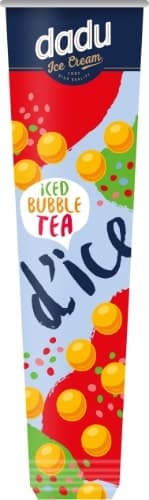
Strawberry and green tea flavored ice cream DADU, with mango flavored
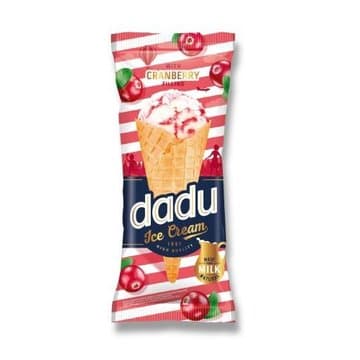
Ice cream DADU with cranberry filling, in waffle cone 200 ml
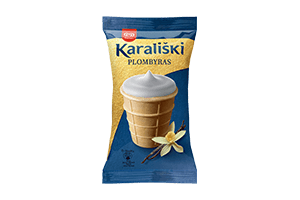
Ice Cream ROYAL PLOMBIR, 120ml
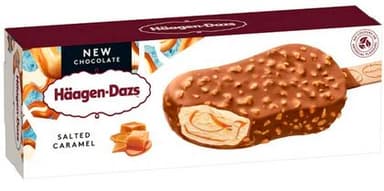
Ice cream HAAGEN DAZS, with salty caramel, 80ml
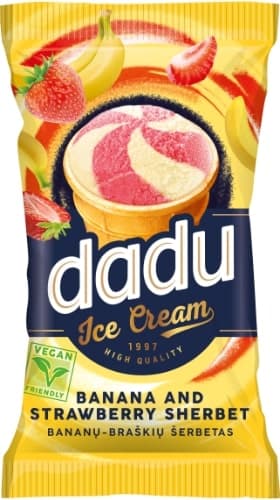
Sherbet DADU with strawberrys and bananas 120ml
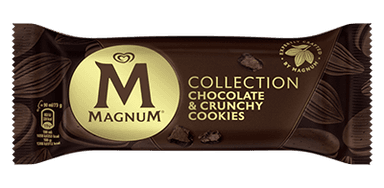
Ice cream with cookies MAGNUM DOUBLE BILLIONAIRE, 85 ml
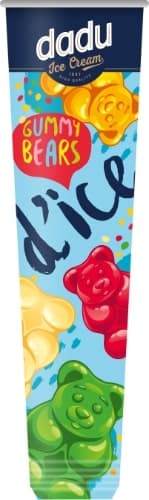
Ice cream DADU Dice, tropical fruit flavor, with gummies, 110 ml/ 110 g
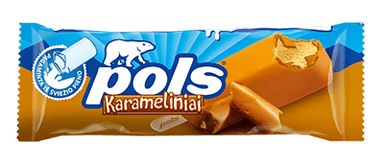
Caramel cream ice cream POLS, 120 ml
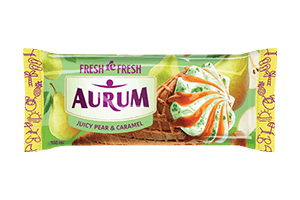
Pear-flavored ice cream with salted caramel filling AURUM, 150ml
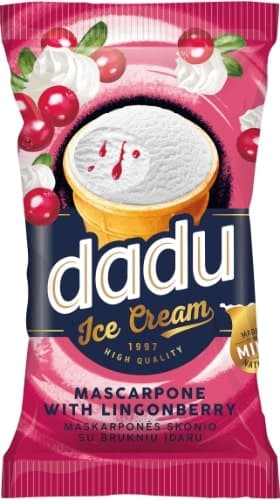
Ice creams DADU maskarpone with cranberrys, 120ml
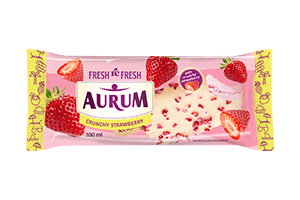
Red currant ice cream with strawberry filling AURUM 100ml
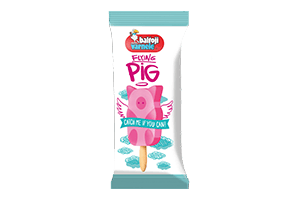
Vanilla gum-flavored ice cream KAR KAR 90ml
LE2KAS vanilla ice creame,5%, 120 ml/65 g
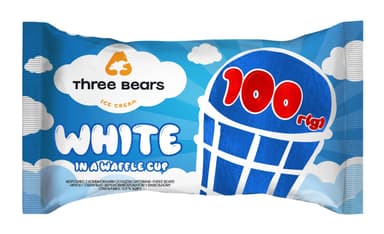
Ice cream "THREE BEARS" TM "White" waffle cup, 100 g, 150 ml
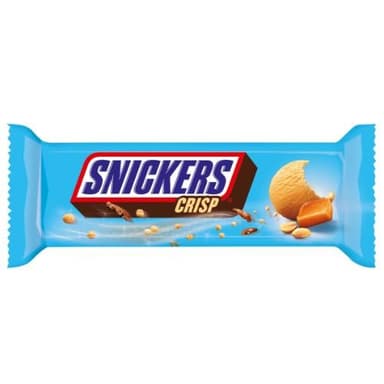
Snickers Crispy ice cream bar
DICE TUTTI frutti bubble gum flavour, 110 ml/ 110 g
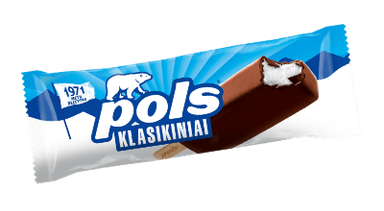
POLS cream-based edible ice cream, 120 ml

Onu Eskimo, Vanilla flavoured cream ice cream
