
Apple Cheesecake in a Layer 420g
72 people viewed this product
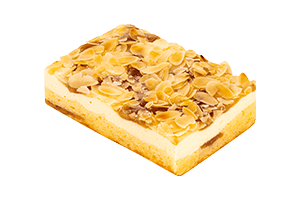
Apple Cheesecake in a Layer 420g
Unlock Full Product Analysis
Get AI-powered ingredient breakdowns, personalized health insights, and smarter food choices — all inside Telegram.
Noticed incorrect or incomplete information about this product?
Report a problem?
Similar Products
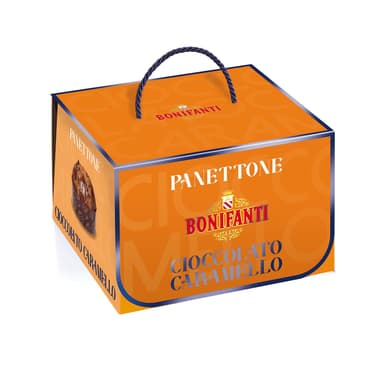
Cake BONIFANTI, PANETTONE CARAMELLO, 750 g
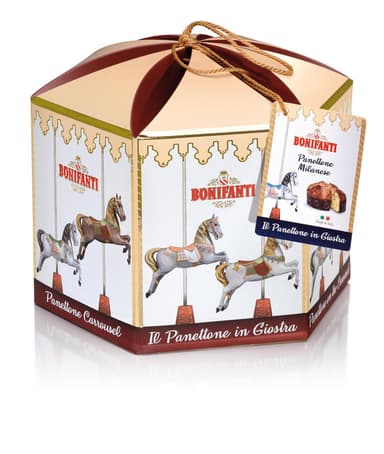
Cake BONIFANTI, PANETTONE MILANESE Basso, 1000 g
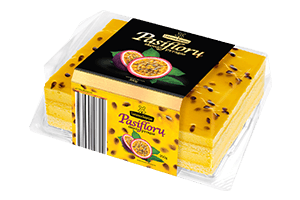
Passion fruit cake, 350g
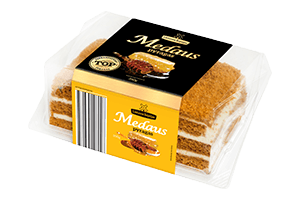
Honey Cake, 350 g
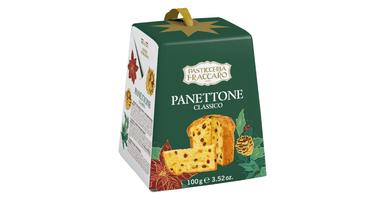
Traditional Christmas cake PANETTONE
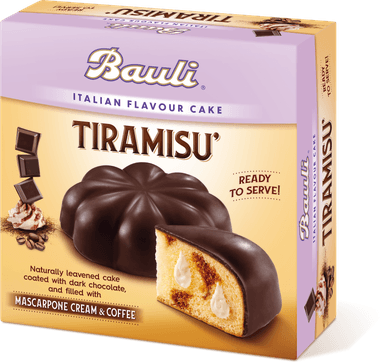
Italian cake BAULI, Tiramisu, 450 g
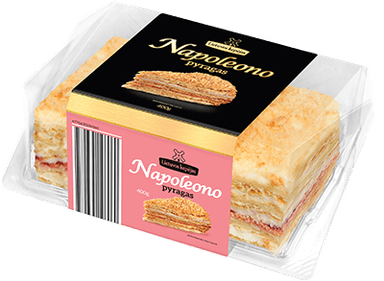
Napoleon Cake, 400 g
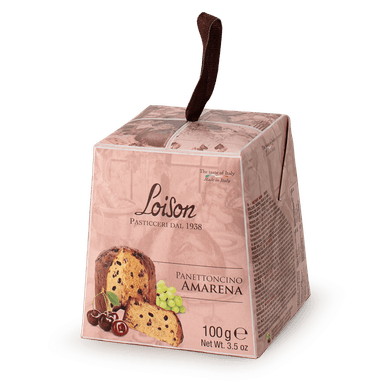
Italian cake with cherries PANETTONCINO AMARENA
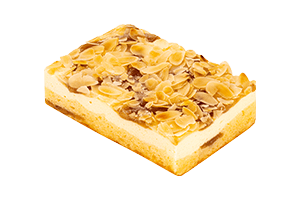
Apple Cheesecake in a Layer 420g
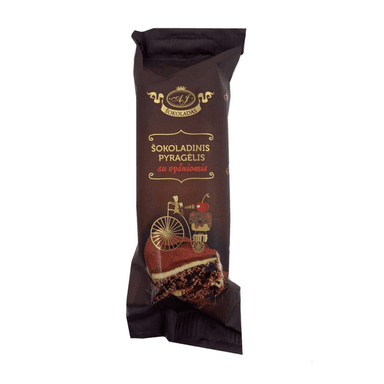
Chocolate cake with cherries

Pagarini Cappuccino Cake
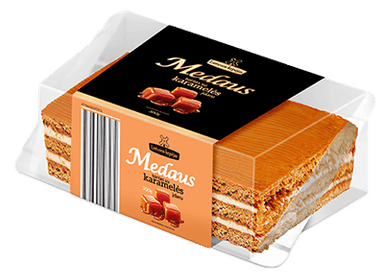
Honey cake with caramel filling, 300 g

Cinnamon roll

Lemon Cake (Queque de Limón)
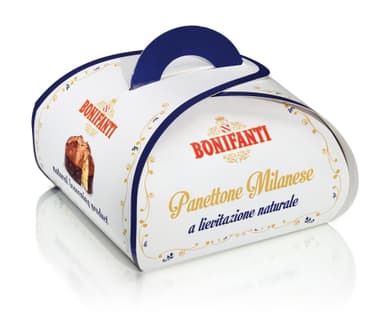
Cake BONIFANTI, PANETTONE MILANESE, Basso, 130 g
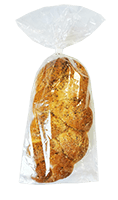
Poppy Seed Braid, 300 g

Yogurt Lemon Cake
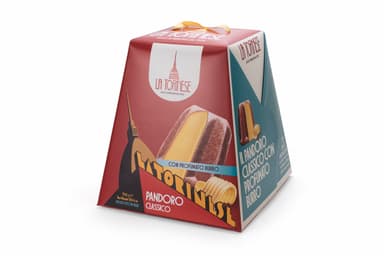
Classic pandoro 750g

Cinnamon roll with cardamom
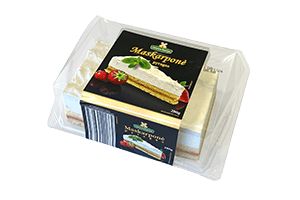
Maskarponė Cake 280g
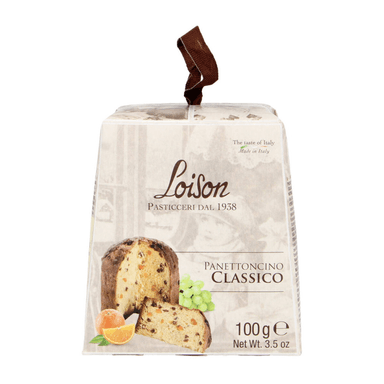
Italian cake PANETTONCINO CLASSICO
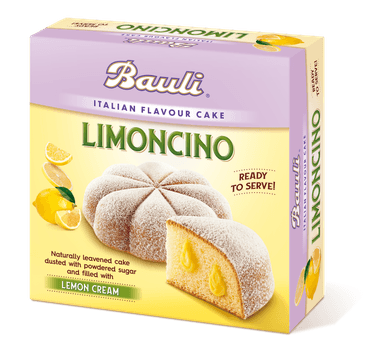
Italian cake BAULI, Limoncillo, 400 g
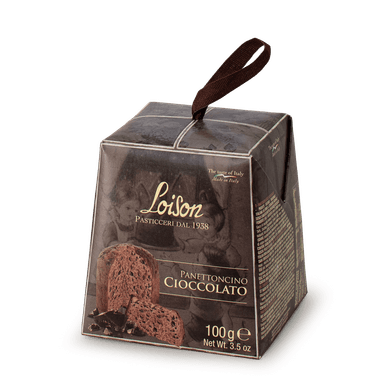
Italian cake PANETTONCINO CHOCOLATE
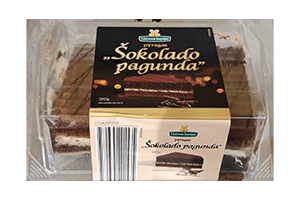
Chocolate Temptation Cake 350g
