
/
Bread products and confectionary
/Confectionary
/Buns muffins pretzels cakes
/Croissant 7 DAYS, with cocoa and vanilla flavor filling, 60 g
Croissant 7 DAYS, with cocoa and vanilla flavor filling, 60 g
129 people viewed this product
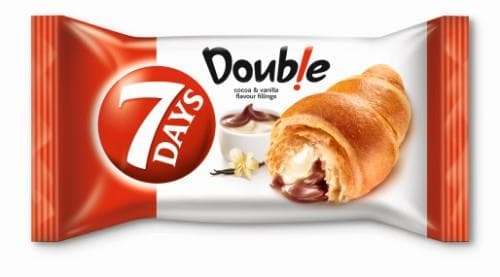
Croissant 7 DAYS, with cocoa and vanilla flavor filling, 60 g
Unlock Full Product Analysis
Get AI-powered ingredient breakdowns, personalized health insights, and smarter food choices — all inside Telegram.
Noticed incorrect or incomplete information about this product?
Report a problem?
Similar Products
Croissant 7 DAYS, with cocoa and vanilla flavor filling, 60 g

Tea bagels, 280 g
Mini wheat bagels JAVINĖ, with cinnamon, 150 g
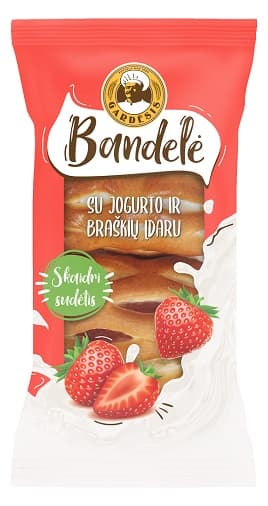
Buns PREMIUM with yougurt and strawberry filling, 100 g

Napoleonitas Pastries

Liepkalni Small Pastries with Cinnamon Filling and Chocolate

Glazed mini wheat bagels SALNA, 2 kg

Eesti Pagar Strawberry and Cream Cheese Pastry
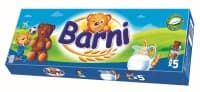
Biscuits BARNI Milk, 150 g
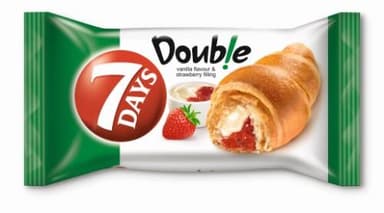
Croissant 7 DAYS, with vanilla filling and strawberry filling, 60 g
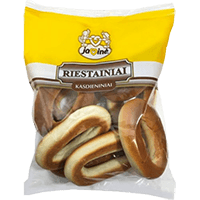
Daily bagels, 300 g
Cookies BUONDONCE, milk, 250 g, 10 vnt.
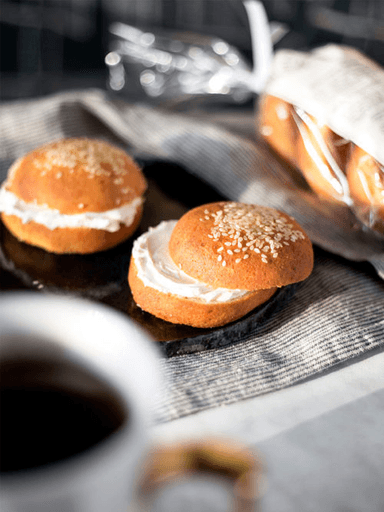
KETO Buns EASY
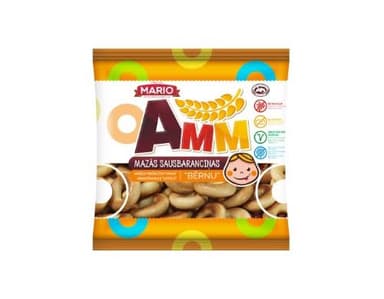
AMM KIDS Breadrings 150g

French delicacies canelles with mango, 1 kg (24 vnt x 42g)
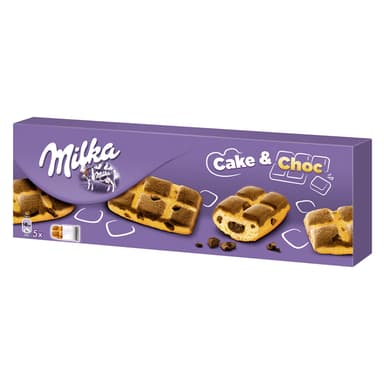
Biscuits MILKA Cake & Choco, 175 g

Hard wheat bagels SAUDYKLELE, 1,5 kg
Vanilla dry bread rings JAVINE, 300 g
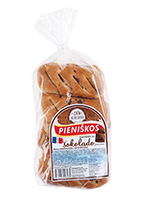
Milk buns with chocolate, 280 g
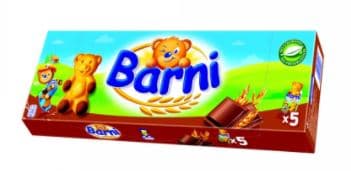
Biscuit BARNI Choco, 150 g
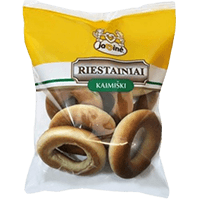
Rustic bagels, 300 g
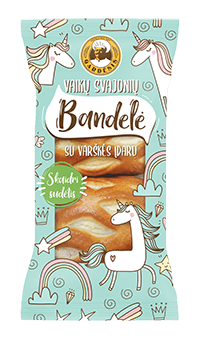
GARDĖSIO KIDS' DREAM pastries, 130 g

Cinnamon Bun with Glaze, MINDAUGAS BAKERY
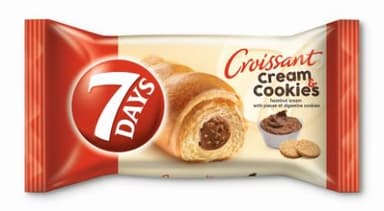
Croissant 7 DAYS, with hazelnut filling and cookie pieces, 60 g
