
/
Frozen products
/Bread and bread products
/Frozen cakes desserts
/Frozen blueberry cake, (16pcs x 125g) 2 kg
Frozen blueberry cake, (16pcs x 125g) 2 kg
87 people viewed this product
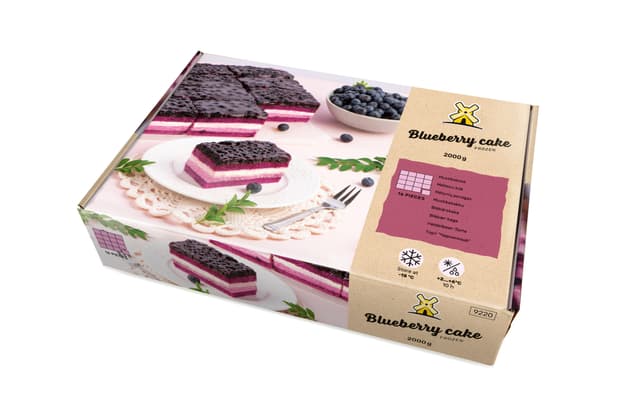
Frozen blueberry cake, (16pcs x 125g) 2 kg
Unlock Full Product Analysis
Get AI-powered ingredient breakdowns, personalized health insights, and smarter food choices — all inside Telegram.
Noticed incorrect or incomplete information about this product?
Report a problem?
Similar Products
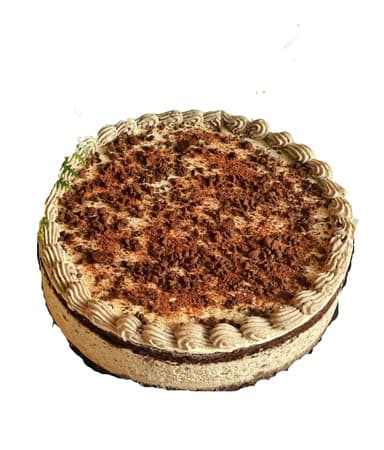
Frozen Italian cake STRACCIATELLA, (16x137g), 2,2 kg
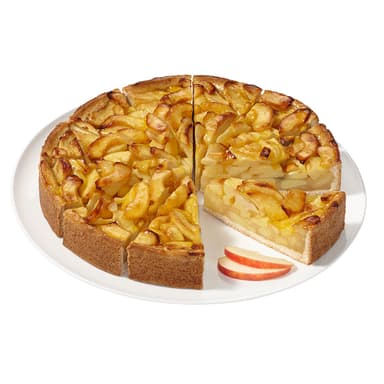
Frozen vegan apple cake ERLENBACHER (12x188g), 2.25 kg
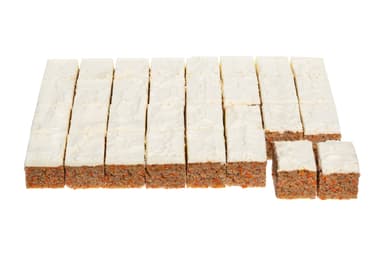
Frozen carrot cake, sliced (32x56.25g), 1.8 kg
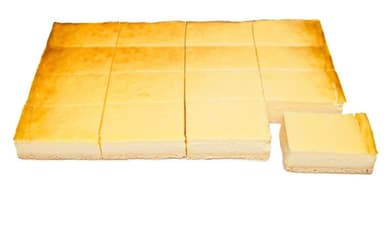
French curd cake (16x125g), 2 kg

Vanilla cake
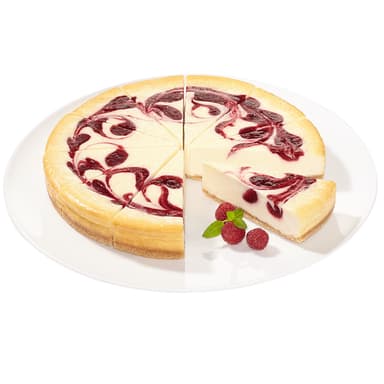
Frozen cheesecake ERLENBACHER, with raspberries (12x120g), 1.45 kg
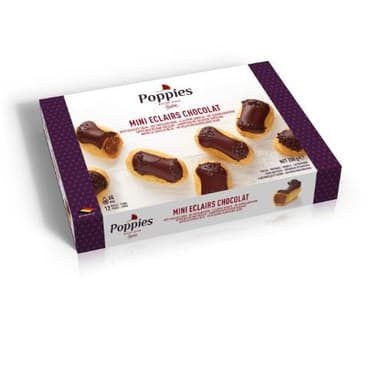
Mini eclairs with chocolate filling, POPPIES, 12 units pack. 200g,
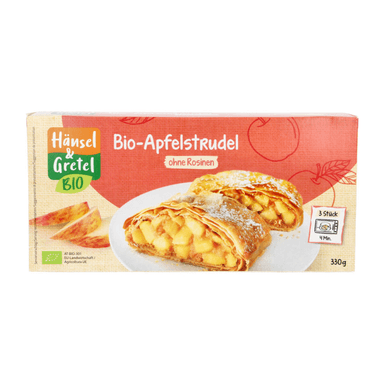
Apple strudel, frozen, organic
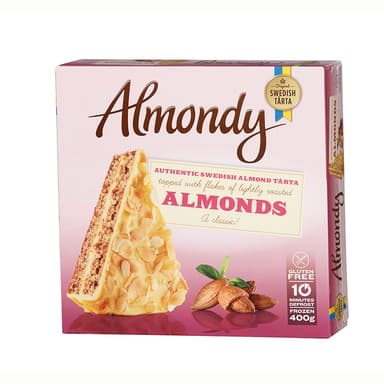
Frozen almond cake ALMONDY (12x75g), 0.9 kg
Frozen cheesecake ERLENBACHER with caramel filling (12x120g), 1.45 kg
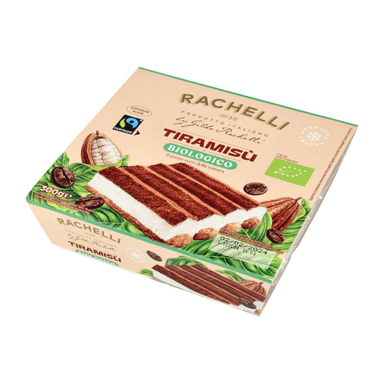
Dessert TIRAMISU BY GILDO RACHELLI, frozen, organic
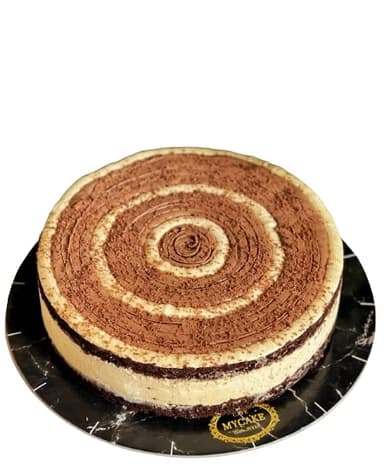
Dominican frozen cake with rum filling. (16x133g), 2.13 kg
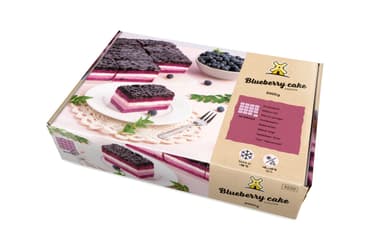
Frozen blueberry cake, (16pcs x 125g) 2 kg
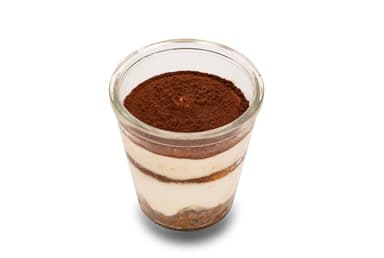
Frozen Italian dessert TIRAMISU, glass jar, 90g. (box: 90 g x 10 pcs.)
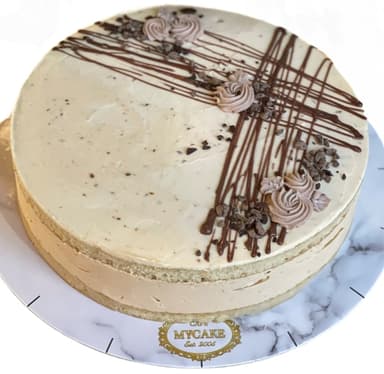
Frozen cake BELGIAN COOKIES, sliced, (16x132g), 2,1 Kg

Oat Crumble Cake
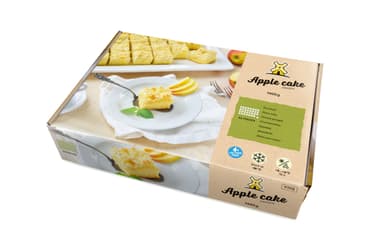
Frozen homemade apple pie, 1,4kg
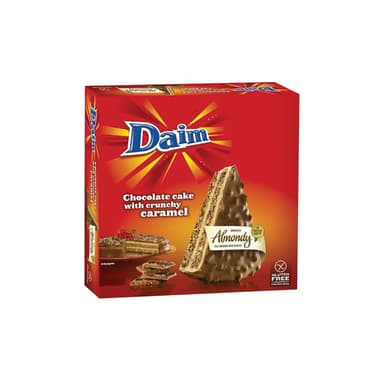
Frozen almond pie ALMONDY, with Daim, 4 g
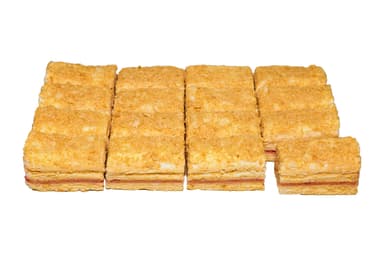
Frozen cake 'Napoleon', sliced (16x150g), 2.4 kg
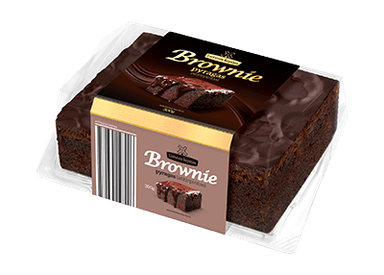
Brownie Cake 300g
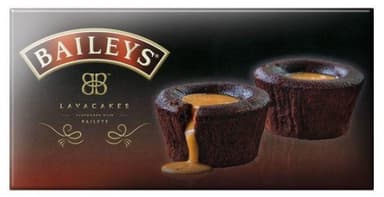
Frozen chocolate cake BELDESSERT Chocolate & Baileys lava cake, 2 x 90
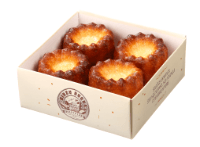
French pastries Kanel, 160 g
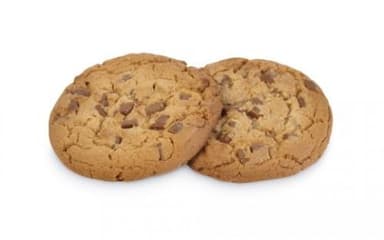
Dark chocolate chips Cookies , 72 g x 24 pcs
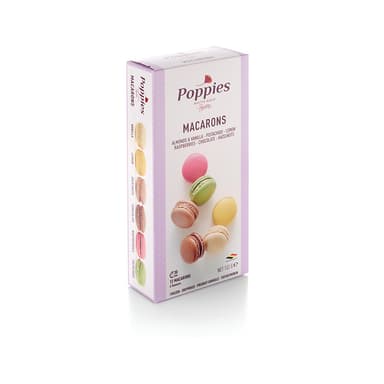
Poppies filled macarons POPPIES 6 flavours 12 unts x 11g
