
Frozen pizza FELICIANA Speciale, 335 g
99 people viewed this product
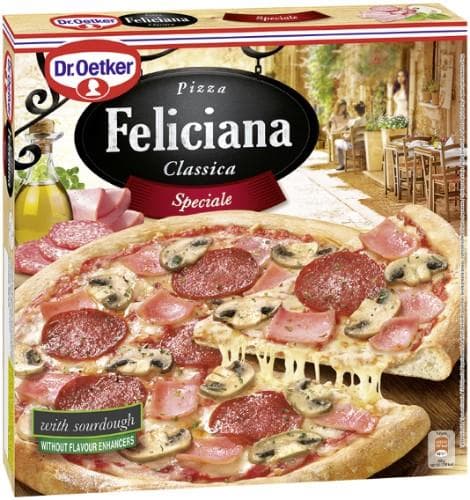
Frozen pizza FELICIANA Speciale, 335 g
Unlock Full Product Analysis
Get AI-powered ingredient breakdowns, personalized health insights, and smarter food choices — all inside Telegram.
Noticed incorrect or incomplete information about this product?
Report a problem?
Similar Products
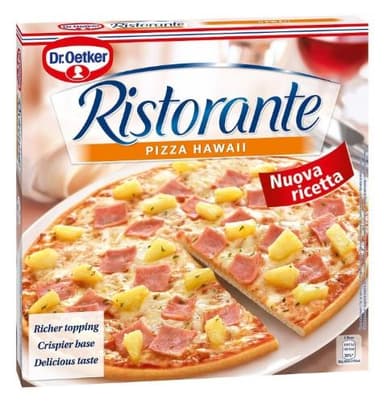
Pizza RISTORANTE Hawaii , 355 g
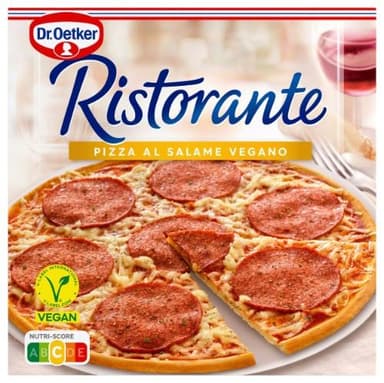
Frozen pizza RISTORANTE Salame vegan, 295g
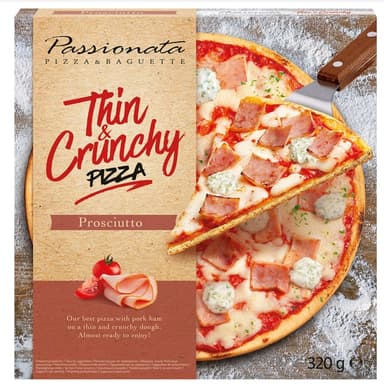
Frozen pizza PASSIONATA Prosciutto, with pork ham, cheese. 320 g
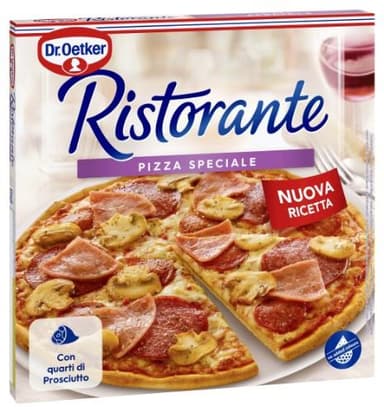
Frozen pizza RISTORANTE Speciale, 345 g
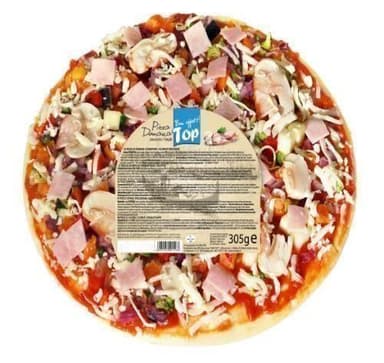
Frozen pizza PROSCIUTTO & FUNGHI, 305 g
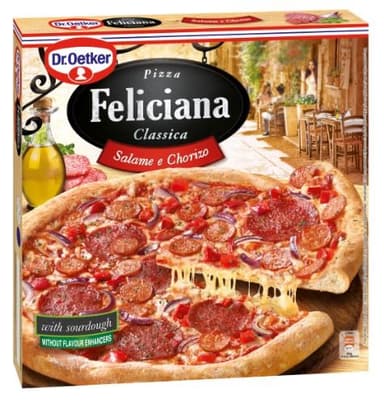
Frozen pizza FELICIANA Salame e Chorizo, 320 g
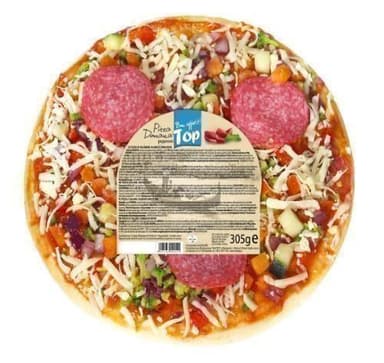
Pizza Domana pepperoni, 305 g
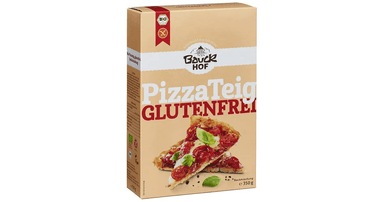
Preparation for pizza dough, organic
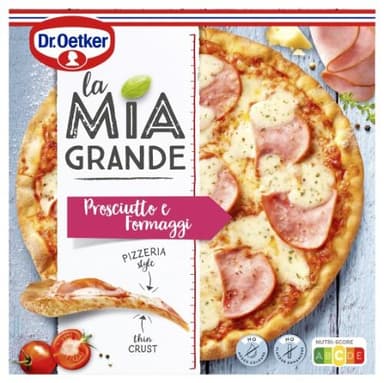
Frozen pizza LA MIA GRANDE Prosciutto e Formaggi, 400 g

Large chicken and cheese pizza with tomato sauce
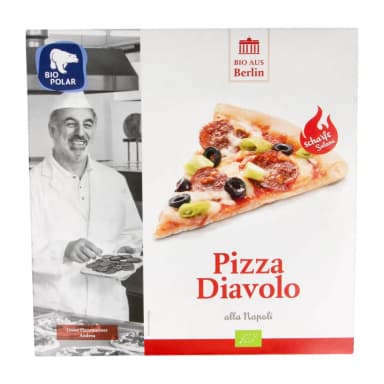
DIAVOLO Pizza, frozen, organic
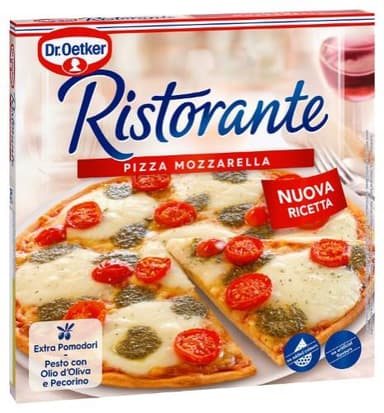
Frozen pizza RISTORANTE Mozzarella, 355 g
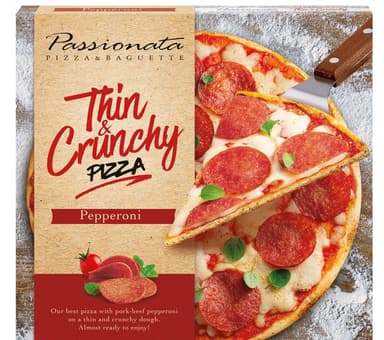
Frozen pizza PASSIONATA Pepperoni, with pork and beef, 310 g.

Gluten-Free Pizza with Lactose-Free Mozzarella and Smoked Salami
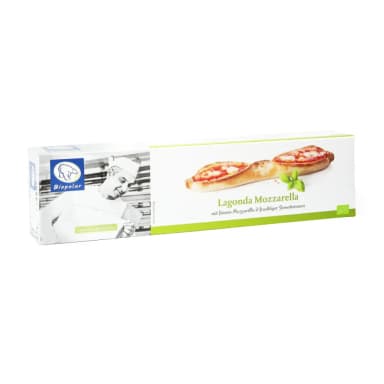
Lagonda Mozzarella mini boats, frozen, organic
Frozen pizza RISTORANTE Diavola, 350 g
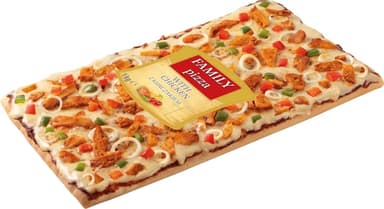
Frozen pizza FAMILY, with chicken, 1kg
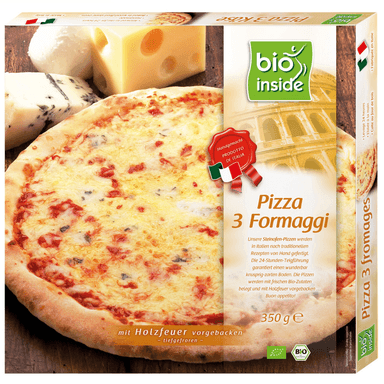
3 CHEESE Pizza, frozen, organic
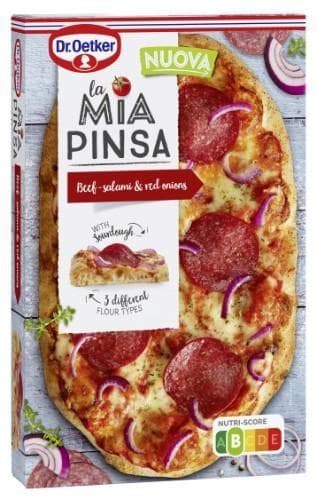
Frozen pizza DR.OETKER La Mia Pinsa Beef Salami, 305 g
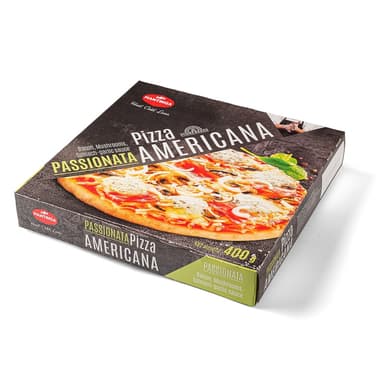
Pizza PASSIONATA, 400 g
Italian Snack with Ham, 125 g

Grandiosa Kiviahjupitsa BBQ Chicken
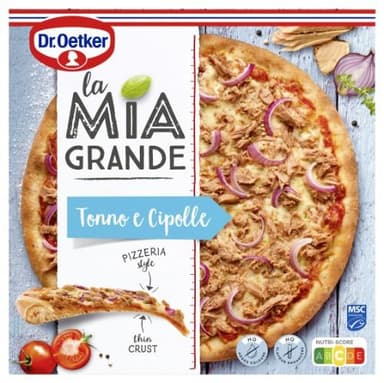
Frozen pizza LA MIA GRANDE Tonno e Cipolle, 415 g
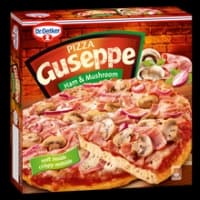
Frozen pizza GUSEPPE with ham and mushrooms, 425 g
