
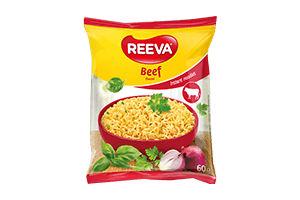
REEVA Beef-flavored Pasta 60g
Unlock Full Product Analysis
Get AI-powered ingredient breakdowns, personalized health insights, and smarter food choices — all inside Telegram.
Noticed incorrect or incomplete information about this product?
Report a problem?
Similar Products
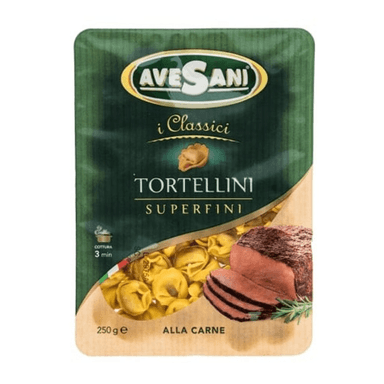
Fresh TORTELLINI with meat I CLASSICS
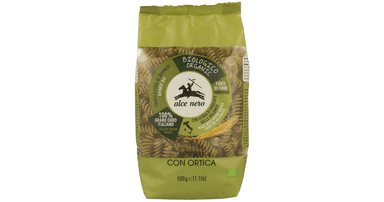
Organic wheat pasta with nettles SPIRELLI
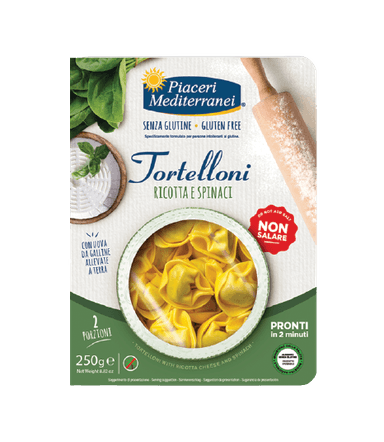
Tortellini with Spinach and Ricotta
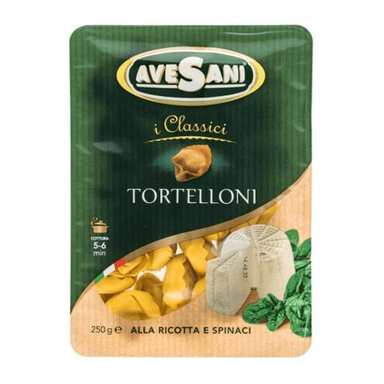
Fresh TORTELLONI with ricotta and spinach I CLASSICI
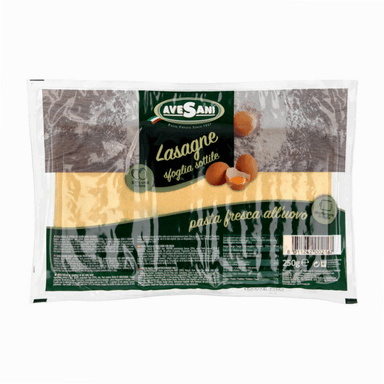
Fresh egg sheets for lasagna LASAGNE SFOGLIA SOTTILE
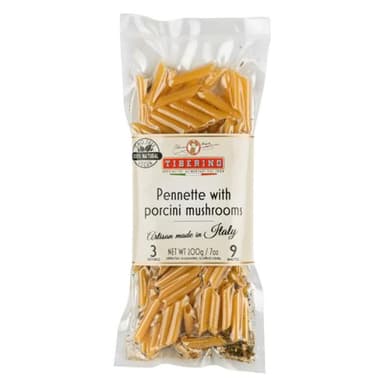
Pasta TIBERINO Penette with porcini mushrooms, 200 g
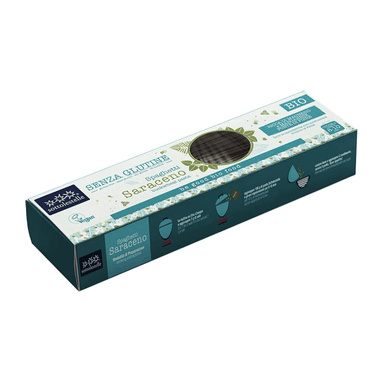
Buckwheat spaghetti, gluten-free, organic
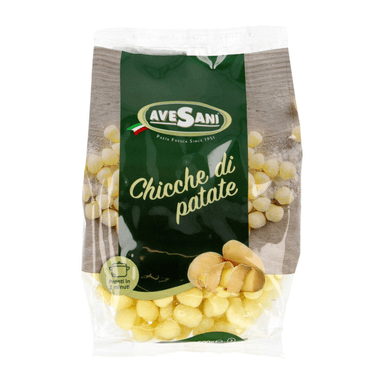
Fresh potato dumplings CHICCHE DI PATATE
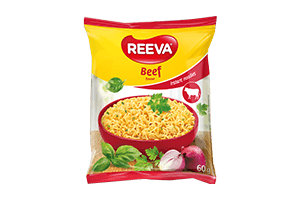
REEVA Beef-flavored Pasta 60g
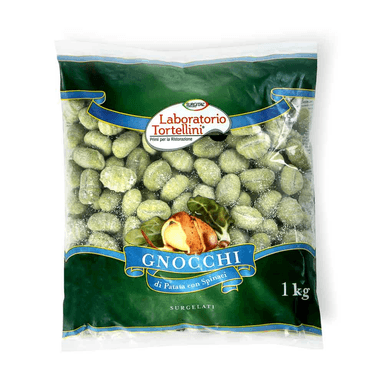
Frozen potato dumplings with spinach GNOCCHI
Tortellini ARRIGHI, with cheese, 250 g
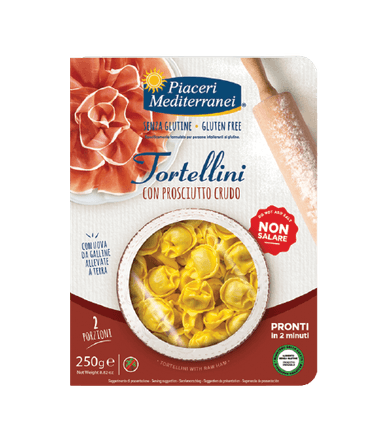
Tortellini with kumpiu
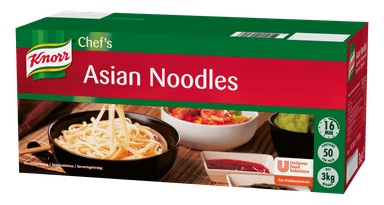
KNORR Pasta Asian Noodles, 3 kg
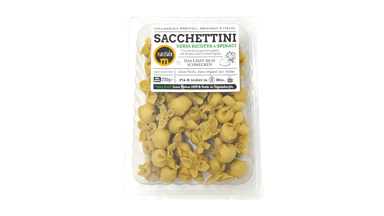
Sacchettini with Green Pasta, Ricotta and Spinach
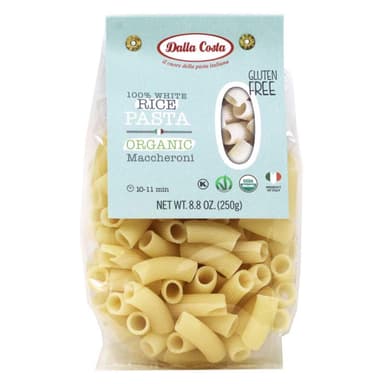
Organic white rice pasta DALLA COSTA Maccheroni, 250 g LT-EKO-001
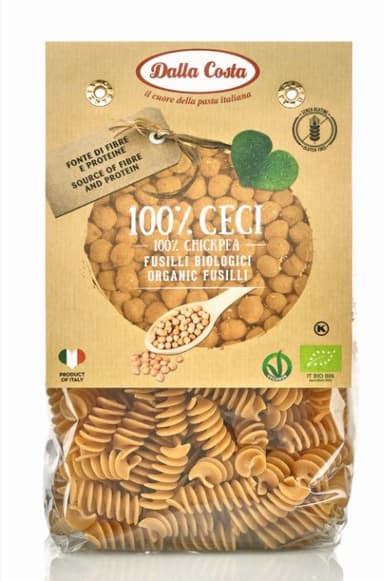
Organic chickpea pasta DALLA COSTA Fusilli, 250 g LT-EKO-001
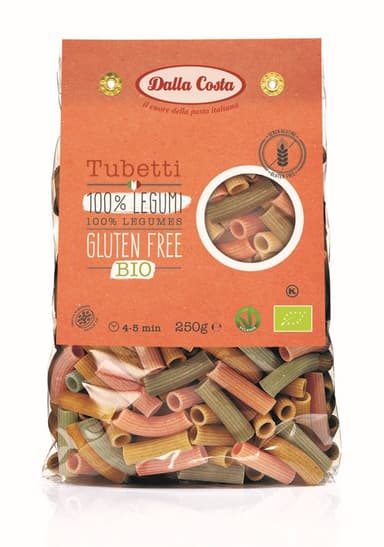
Organic pasta DALLA COSTA Tubetti, 250 g LT-EKO-001
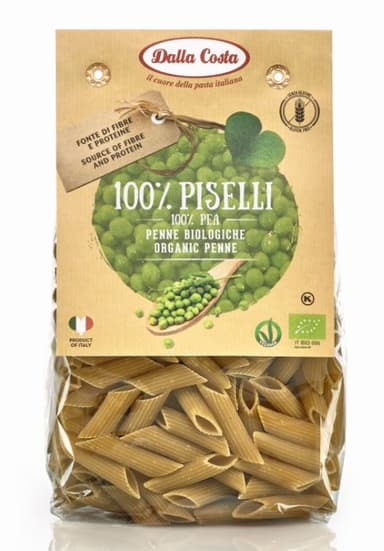
Organic pea pasta DALLA COSTA Penne, 250 g LT-EKO-001
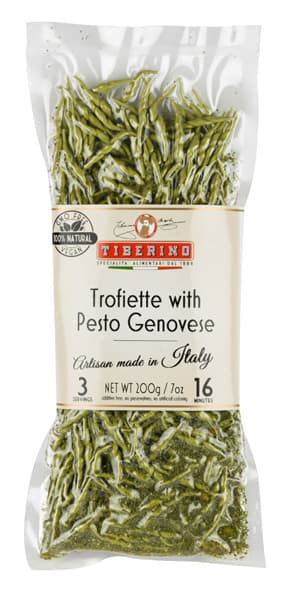
Pasta TIBERINO Pennette with basil pesto, 200 g
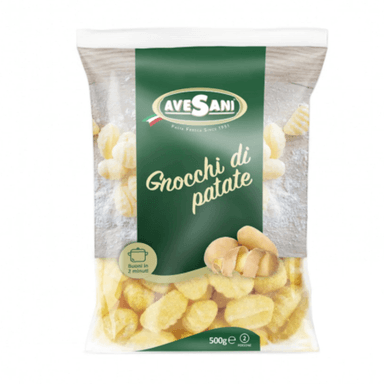
Fresh potato dumplings GNOCCHI DI PATATE
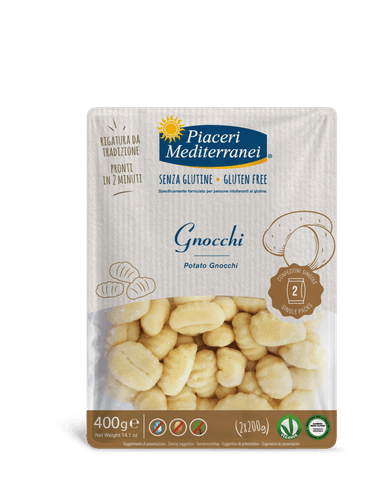
Italian potato dumplings GNOCCHI, gluten-free
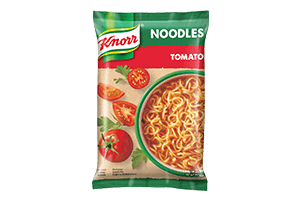
KNORR Tomato Flavored Pasta, 65g
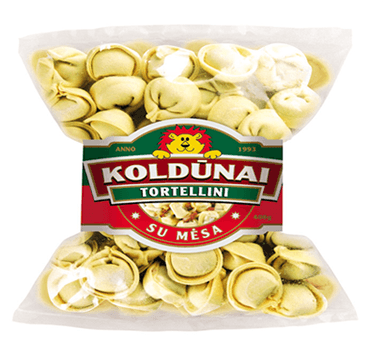
Tortellini dumplings with meat, 400g
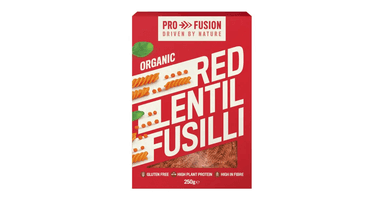
Organic Red Lentil Fusilli Pasta
