
/
Meat fish and culinary preparation
/Meat products
/Sausage
/Boiled sausage DAIVIDOS Delicious, a.r., 350 g
Boiled sausage DAIVIDOS Delicious, a.r., 350 g
93 people viewed this product
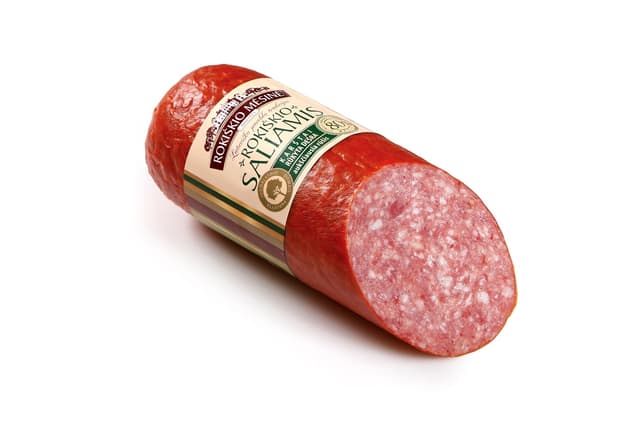
Boiled sausage DAIVIDOS Delicious, a.r., 350 g
Unlock Full Product Analysis
Get AI-powered ingredient breakdowns, personalized health insights, and smarter food choices — all inside Telegram.
Noticed incorrect or incomplete information about this product?
Report a problem?
Similar Products
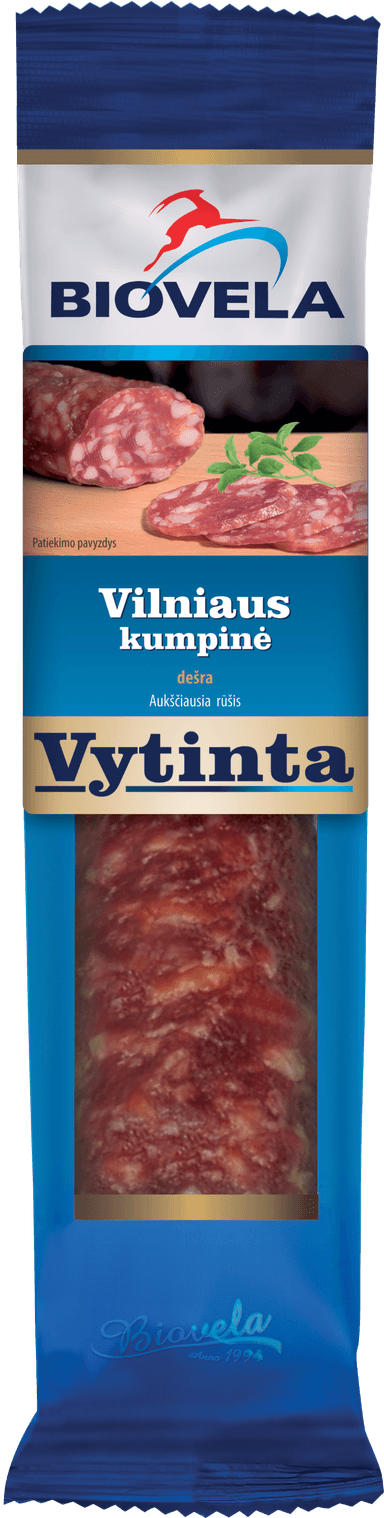
Dried ham sausage Vilnius, extra class, 200g
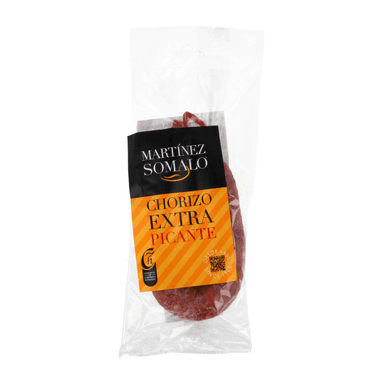
Cured spicy pork sausage CHORIZO EXTRA PICANTE
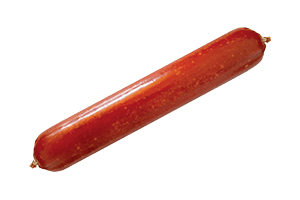
HOMEMADE DELICIOUS hot smoked sausage 600g
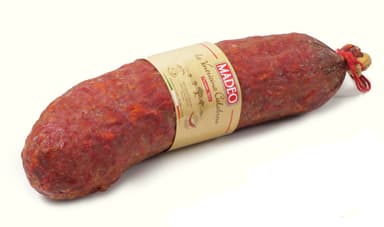
Dried sausage MADEO Ventricina Calabrese, spicy, ~1,8 kg
Pommersche Grobe Gutsleberwurst
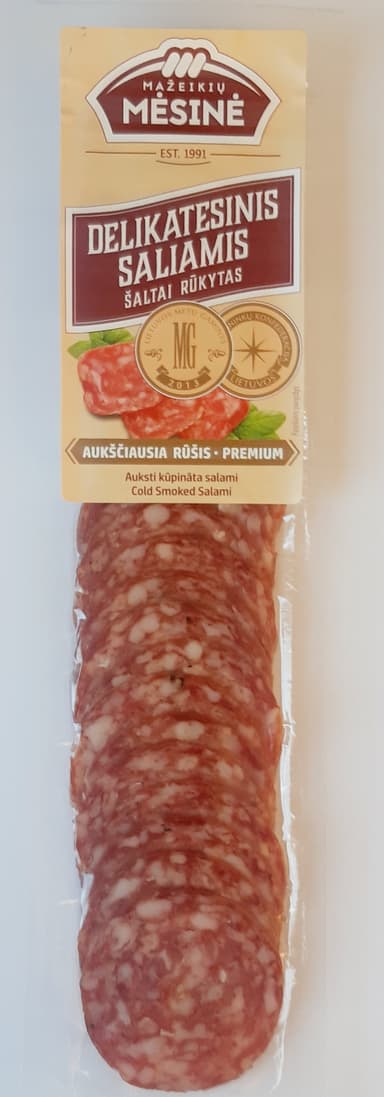
Cold smoked sausage „Delikatesinis saliamis", sliced 90 g
Cured pork sausage with CAMEMBERT cheese
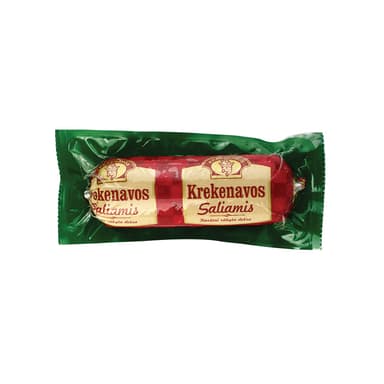
Hot-smoked salami KREKENAVOS, 280 g
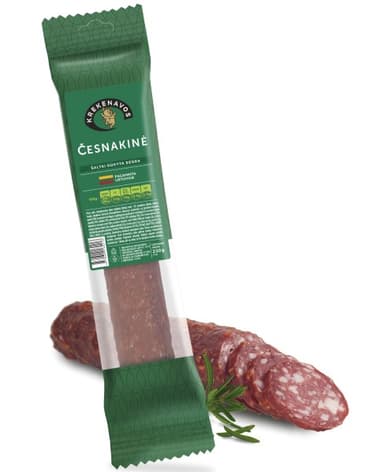
Cold smoked sausage KREKENAVOS Česnakinė , 230 g
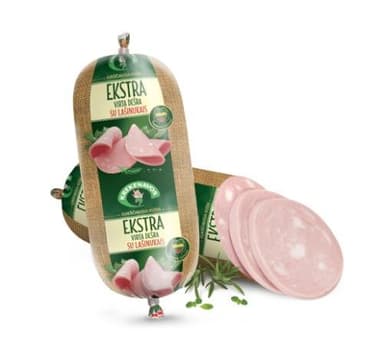
Boiled sausage EKSTRA, with lard, in vacuum, 570g, pcs
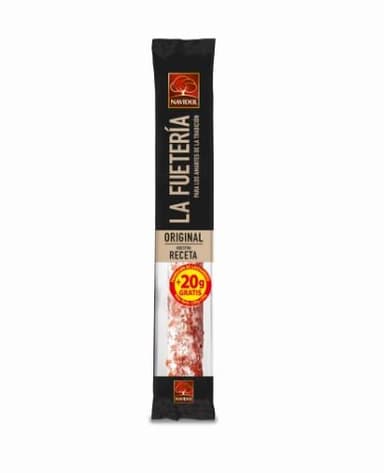
Spanish dried sausage, NAVIDUL, Fuet original, 150 g
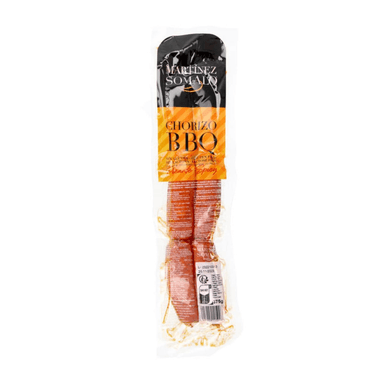
Spicy Pork Grilling Sausages CHORIZO BBQ
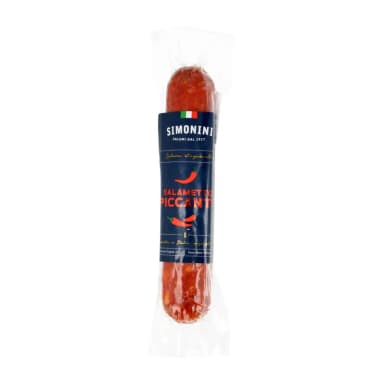
Pork sausage with spicy peppers PICCANTE
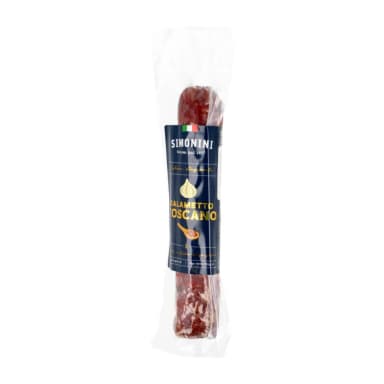
TOSCANO Pork Sausage

Cooked smoked sausage AMBASADORIU SALIAMIS, ~500 g
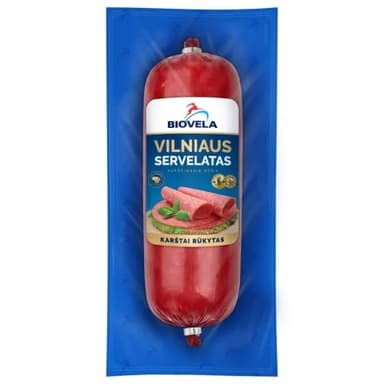
Hot smoked servelat BIOVELA, Vilnius, the highest grade, 280 g
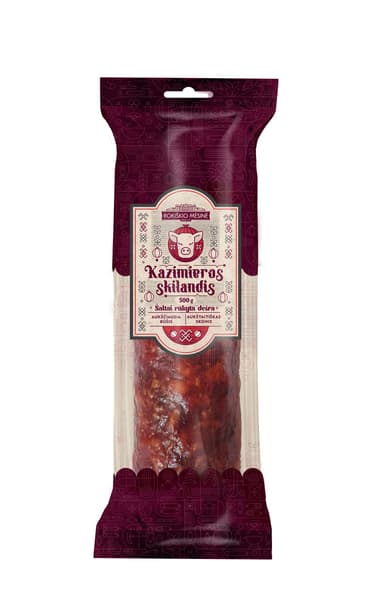
Cold smoked skilandis Kazimieros, 500 g
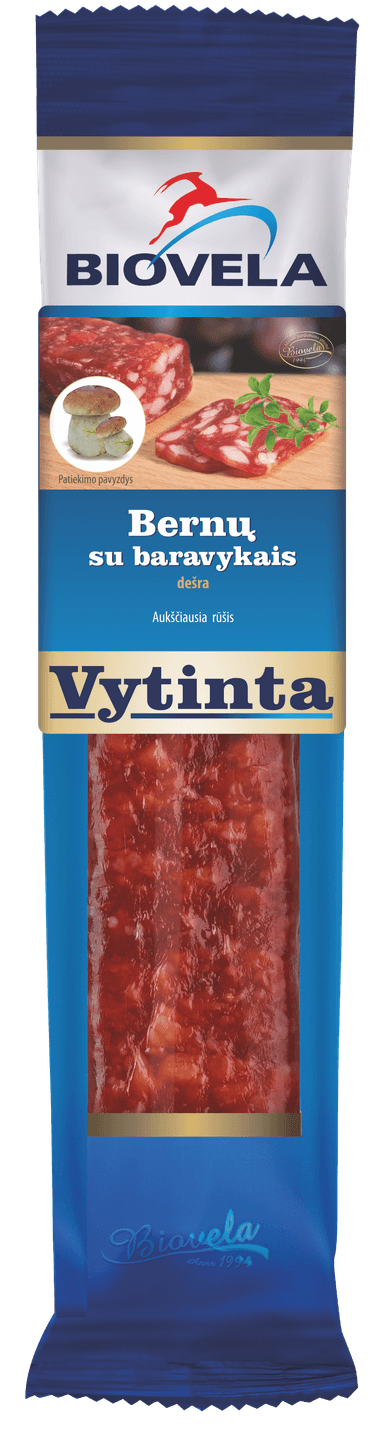
Dried sausage BERNŲ, with boletus, extra class, 200 g
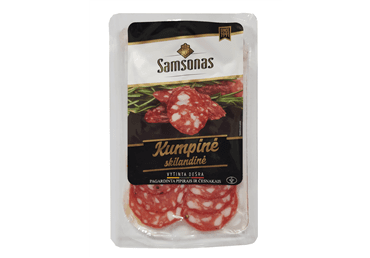
Dried SAMSONO kumpinė skilandinė sausage, sliced, top quality, 90 g
Air cured sausage NAKTIGONES, 200 g
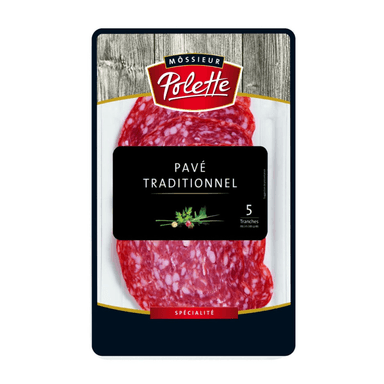
Traditional Dried Pork Sausage PAVE
Cured spanish pork loin, ~1,3 kg

Boiled sausage ARBATINĖ, II rūšis, 700 g
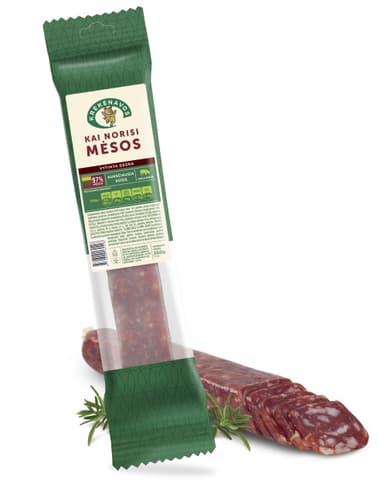
Dried sausage KAI NORISI MĖSOS, 200 g
