
Dark bread with sourdough and honey MORTA 500g
154 people viewed this product
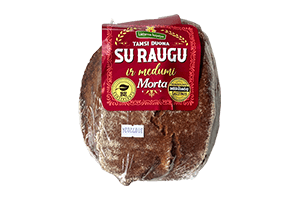
Dark bread with sourdough and honey MORTA 500g
Unlock Full Product Analysis
Get AI-powered ingredient breakdowns, personalized health insights, and smarter food choices — all inside Telegram.
Noticed incorrect or incomplete information about this product?
Report a problem?
Similar Products
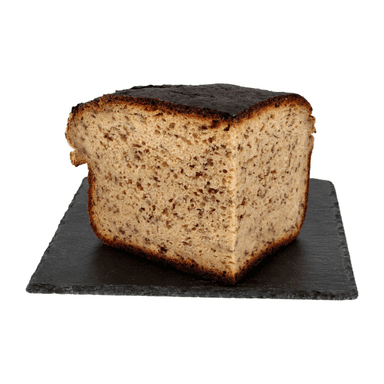
Rye-wheat bread with flax seeds
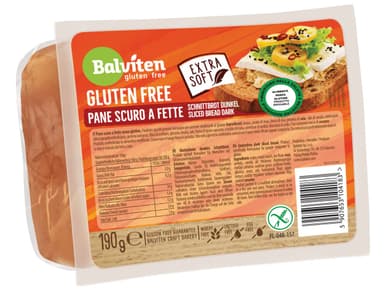
Dark breakfast bread BALVITEN GLUTEN FREE, 190 g (M)

True Rye Bread
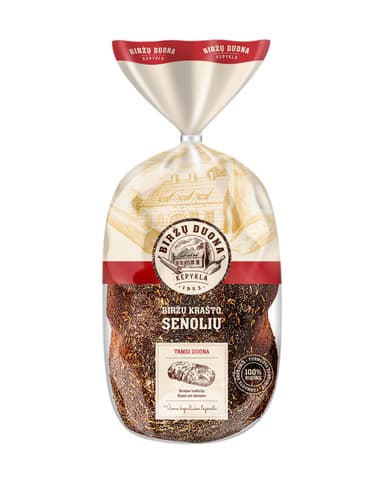
Bread SENOLIŲ, 500 g

Gardmaize Rye fruit bread with nuts
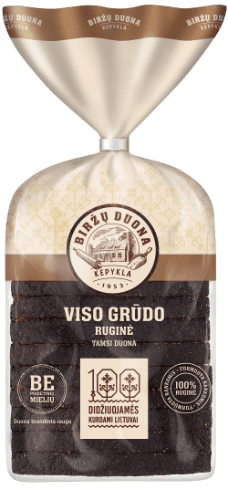
Rye bread, full grain, 800 g
DIDIKŲ dark grain shaped bread with sunflower seeds, 340g
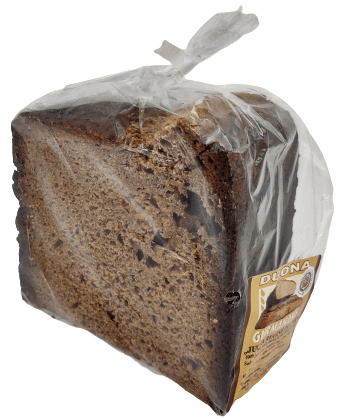
Black rye bread with hemp seeds
AGOTOS bread, rye, 375 g (M)

Bread with Three Grains 0.5 kg
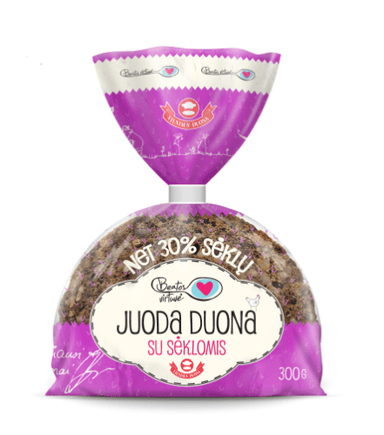
Dark bread BEATOS VIRTUVĖ with seeds, 300g
Black bread BOCIU, sliced, 800 g

Mestemacher Rye Wholegrain Multigrain Bread

Soft bread with beets, carrots and parsnips
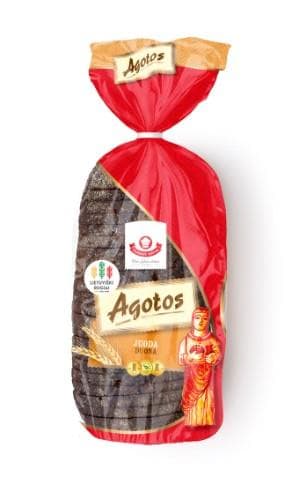
Black bread AGOTOS, sliced, 800 g
Sliced Black BOČIAI Bread, 400 g
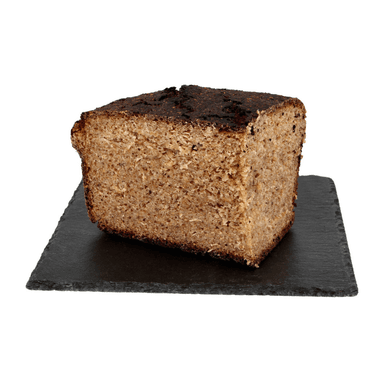
Whole grain rye bread, made from coarsely ground flour

Ruks Whole Grain Bread

Fazer, Dark Rye and Wheat Sourdough Bread
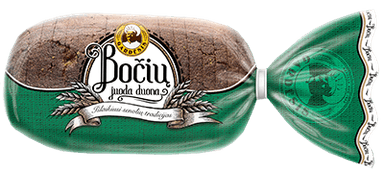
Sliced black BOČIŲ bread, 800 g

Pumpernickel
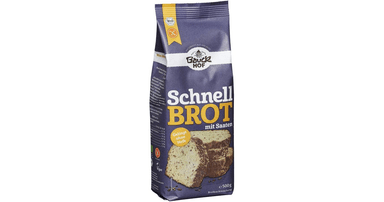
Gluten-free, organic rice bread mix

Fazer, Dark Bread, 300g
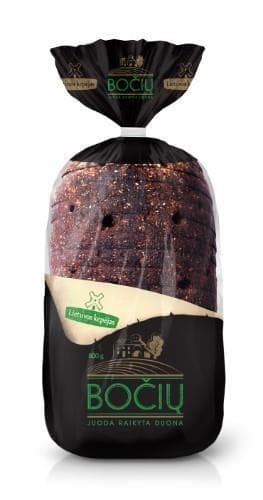
Rye bread BOCIU, 800 g
