
/
Meat fish and culinary preparation
/Meat products
/Sausages hot dogs
/Hot smoked sausages BIOVELA, class I, 570 g
Hot smoked sausages BIOVELA, class I, 570 g
152 people viewed this product
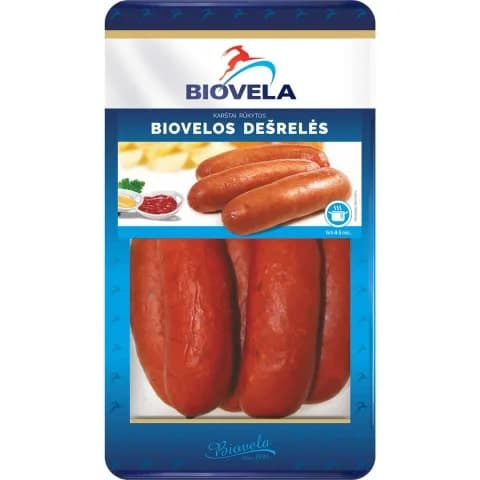
Hot smoked sausages BIOVELA, class I, 570 g
Unlock Full Product Analysis
Get AI-powered ingredient breakdowns, personalized health insights, and smarter food choices — all inside Telegram.
Noticed incorrect or incomplete information about this product?
Report a problem?
Similar Products
COUNTRY-style sausages, 1 kg
MOKINIŲ cooked sausages 750g
Cooked chicken milk sausages SWEETIE, highest quality

Cooked sausages SAMSONO PIENISKOS, 0,31 kg
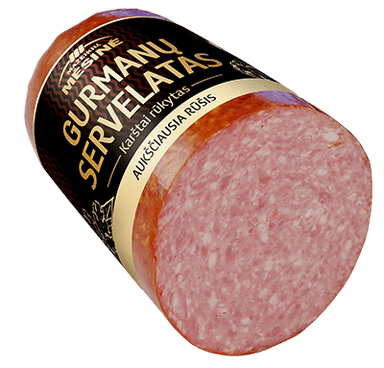
Gourmet hot smoked salami, 600 g
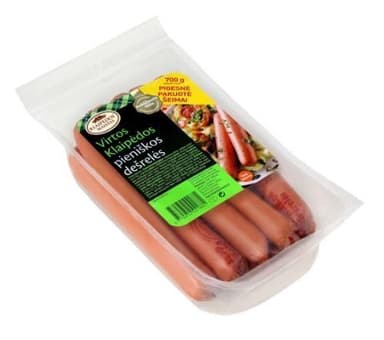
Klaipedos franks, 700 g
Hot smoked sausages with chili KABANOS TARCZYNSKI EXCLUSIVE 105g
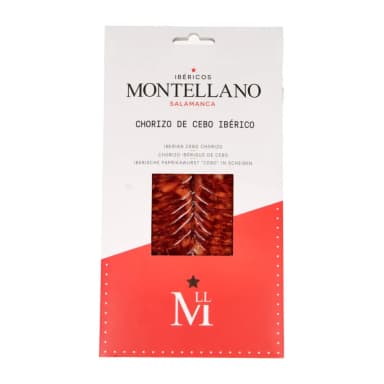
Cured pork sausage CHORIZO IBERICO DE CEBO, sliced
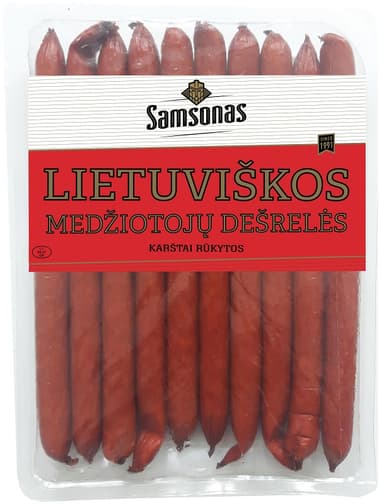
Hot smoked sausages, Lietuviškos medžiotojų, 530 g
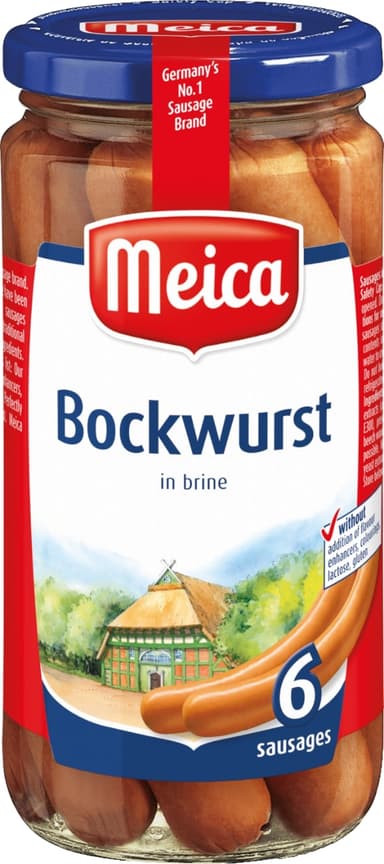
Boiled sausages MEICA Bockwurst, in a jar, 180 g
Hunting sausages, hot smoked, 600g
Cured pork sausage LUCANICA SALSICCIA DOLCE, sliced
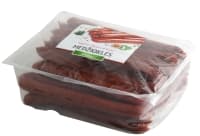
Hot-smoked small sausages MEDŽIOKLES, ~1,2 kg
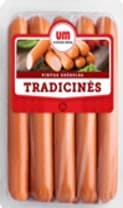
Boiled sausages TRADICINĖS, II cat, 780 g
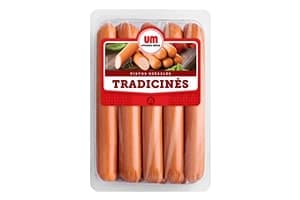
Boiled sausages TRADICINĖS, II cat, 260 g
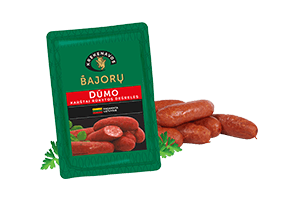
500g BAJORŲ DŪMO hot smoked sausages
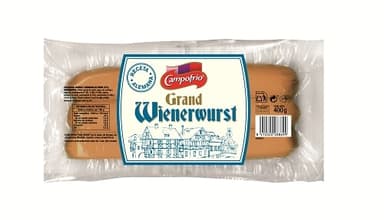
Boiled and smoked pork sausages CAMPOFRIO Grand Wienerwurst, 400 g, 3pcs
GIMINIŲ boiled sausages, a. r., 260 g
Boiled sausages GIMINIŲ, extra class, 860 g
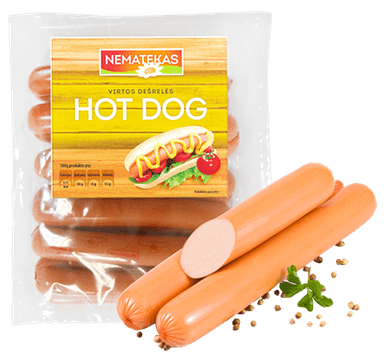
HOT DOG cooked sausages, 800 g
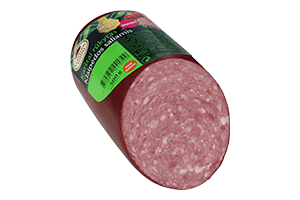
KLAIPĖDA hot-smoked salami 500g
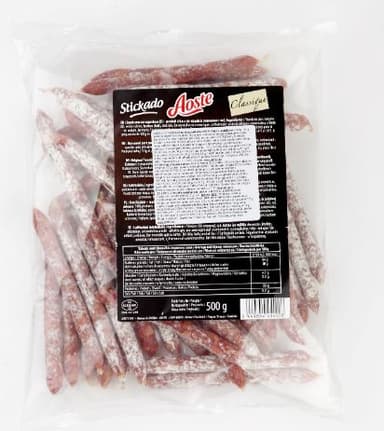
Dried pork sausages AOSTE Classic Sticks, 500g
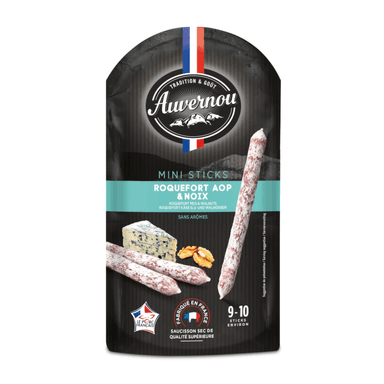
Mini pork sausages with Roquefort cheese and walnuts
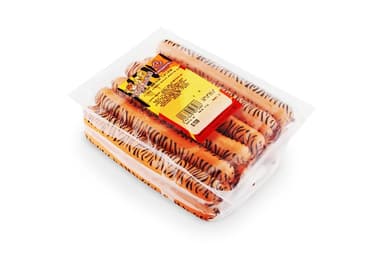
Boiled sausages TIGRIUKAS, in the safty gas, ~0.7 kg
