
/
Meat fish and culinary preparation
/Meat products
/Sausages hot dogs
/Aukštaitian creamy boiled sausages 300g
Aukštaitian creamy boiled sausages 300g
129 people viewed this product
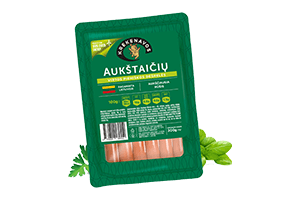
Aukštaitian creamy boiled sausages 300g
Unlock Full Product Analysis
Get AI-powered ingredient breakdowns, personalized health insights, and smarter food choices — all inside Telegram.
Noticed incorrect or incomplete information about this product?
Report a problem?
Similar Products
Pork sausages BERLINKI, with cheese, boiled, smoked, 25 g
Pork sausages BERLINKI Classic, boiled, smoked, 25 g
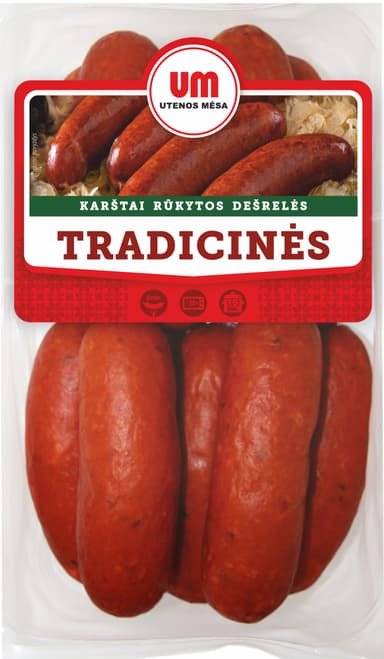
Hot smoked sausages TRADICINĖS, II class, 800 g
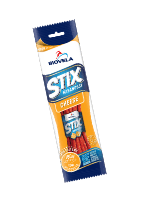
Hot smoked kabanossi sausages with cheese, 100 g

Cooked SAMSONIUKŲ sausages, 210 g
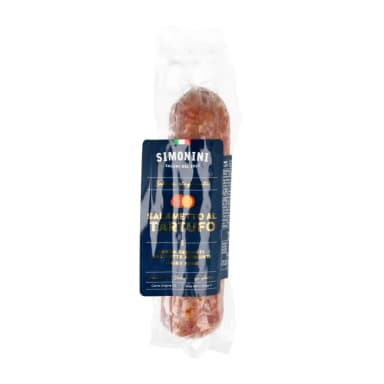
Pork salami with truffles SALAMETTO AL TARTUFO

Boiled sausauges ROKISKIO MESINE Skanutes, 260 g
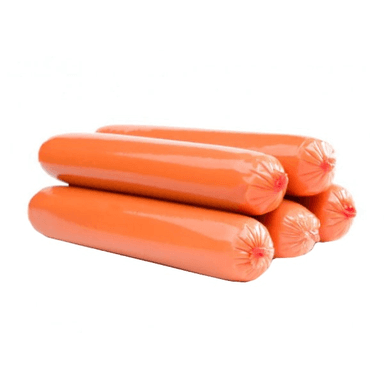
Boiled milk beef sausages SKANUTĖS, premium quality
Boiled wieners PAGAMINTA BE KONSERVANTU, 240 g
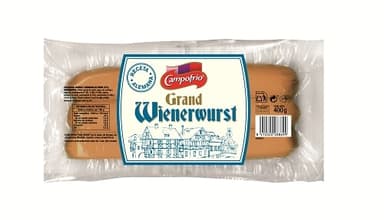
Boiled and smoked pork sausages CAMPOFRIO Grand Wienerwurst, 400 g, 3pcs
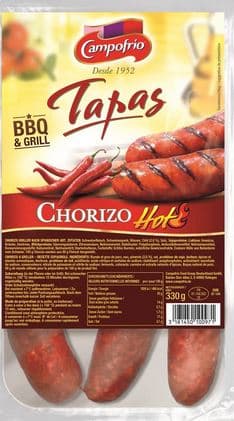
Cooked pork sausage CAMPOFRIO Chorizo BBQ hot, 330g

Maks&Moorits, Talusink
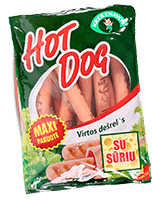
HOT DOG cooked sausages with cheese, 750 g

Wõro Tõmmu Smoked Sausage with Cheese

Rakvere Lihakas Lastevorst (Children's Sausage)
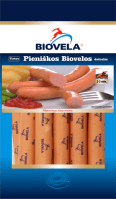
MILK BIOVELOS cooked sausages, 850g
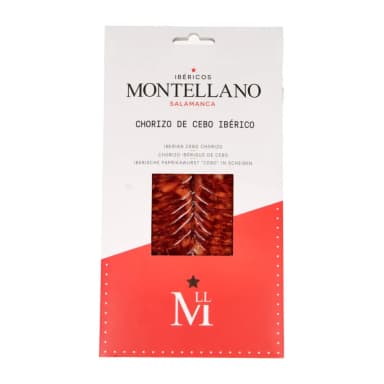
Cured pork sausage CHORIZO IBERICO DE CEBO, sliced
GARDŽIOSIOS sausages, weight. ~1,45 kg
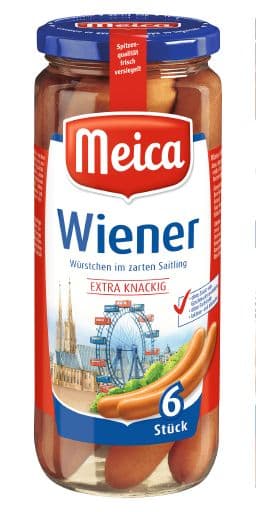
Boiled sausages MEICA Kleine Wiener, in a jar, 150 g

Karni 120g Sliced Royal Full Smoked Sausage
Boiled sausages for hot dogs, I cat, 730 g
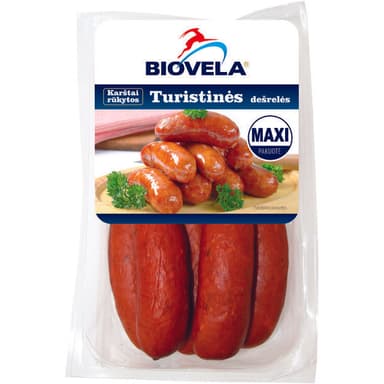
Hot smoked sausages BIOVELA, Turistinės, II rūšis, 800 g
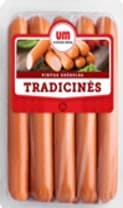
Boiled sausages TRADICINĖS, II cat, 780 g
Boiled sausages GIMINIŲ, extra class, 860 g
