
/
Meat fish and culinary preparation
/Meat products
/Sausage
/Boiled Doctor's Sausage QUALITY with Cheese, 600 g
Boiled Doctor's Sausage QUALITY with Cheese, 600 g
266 people viewed this product
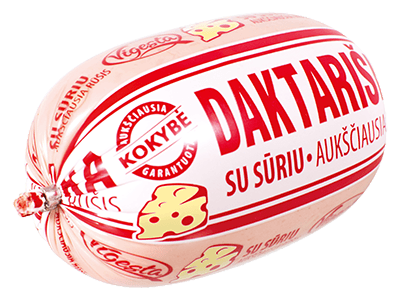
Boiled Doctor's Sausage QUALITY with Cheese, 600 g
Unlock Full Product Analysis
Get AI-powered ingredient breakdowns, personalized health insights, and smarter food choices — all inside Telegram.
Noticed incorrect or incomplete information about this product?
Report a problem?
Similar Products
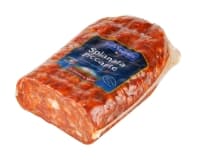
Dried salami SPIANATA, spicy, ~850 g
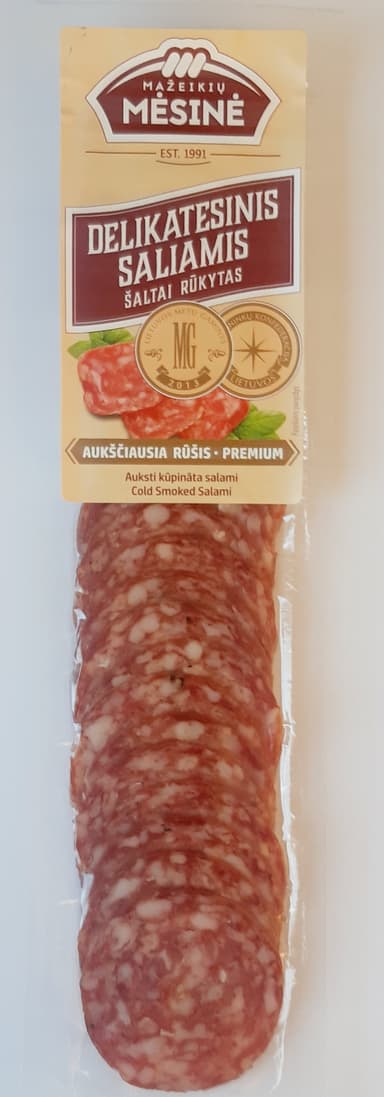
Cold smoked sausage „Delikatesinis saliamis", sliced 90 g
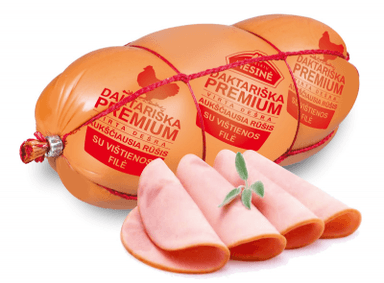
DAKTARIŠKA PREMIUM cooked sausage with chicken fillet, 500g
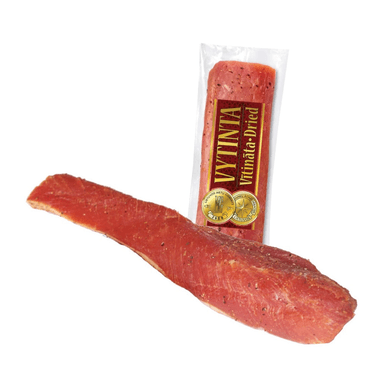
Cured-dry salted pork tenderloin, top quality
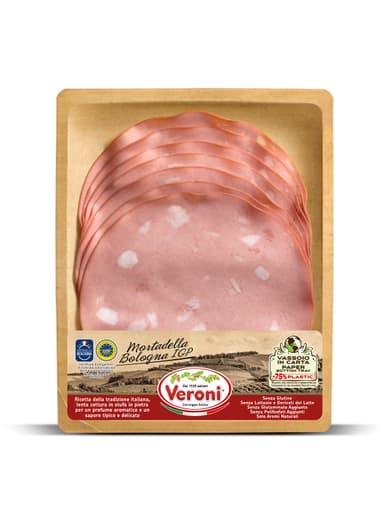
Sliced italian sausagage MORTADELLA Bologna P.G.I, 110 g
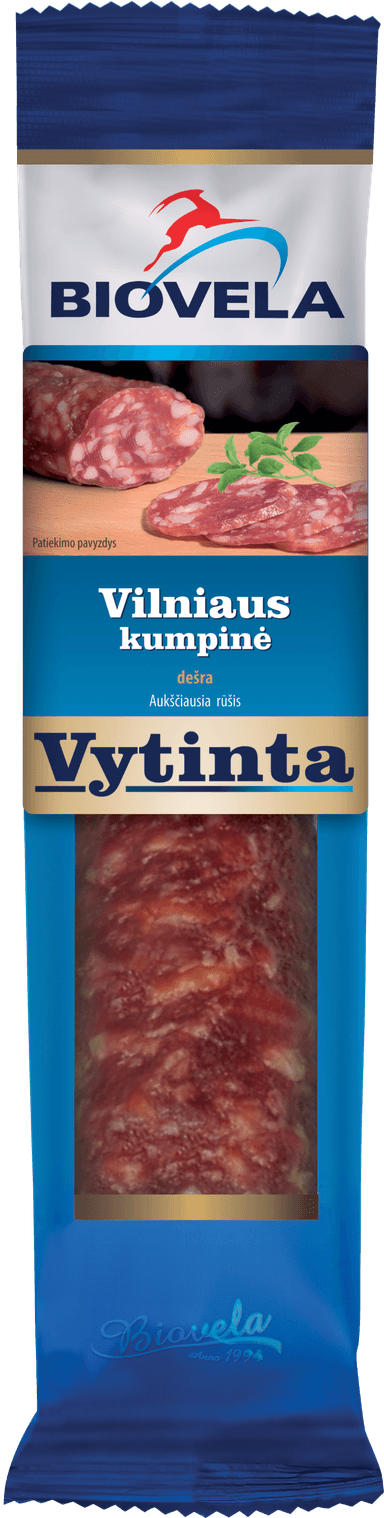
Dried ham sausage Vilnius, extra class, 200g
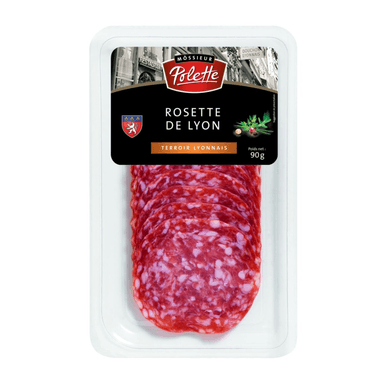
Cured pork sausage ROSETTE
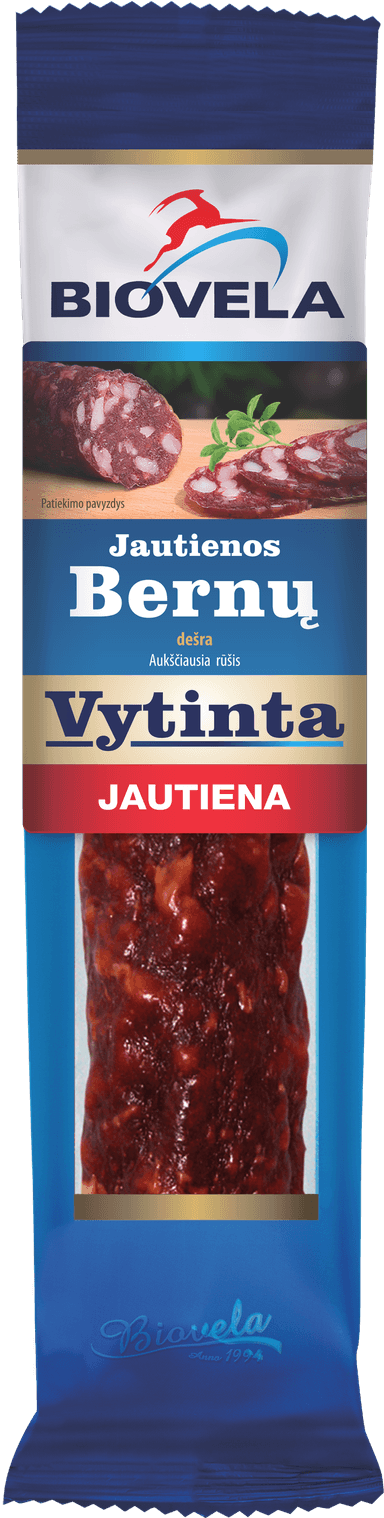
Dried beef sausage Bernų, extra class, 200g
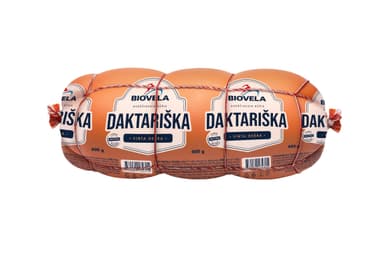
Boiled sausage DAKTARIŠKA, extra class, 600 g
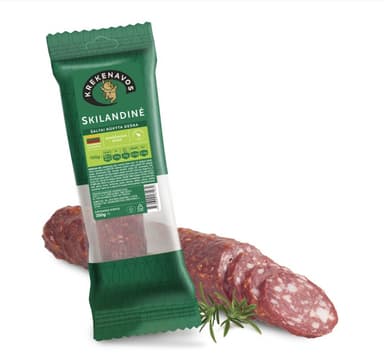
Cold smoked KREKENAVOS Skilandine sausage, 350 g
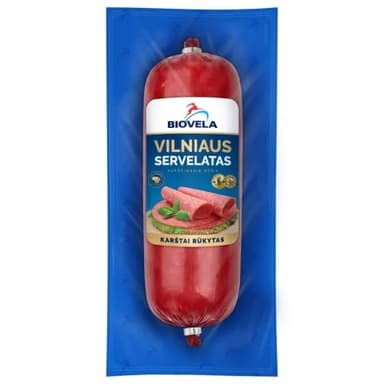
Hot smoked servelat BIOVELA, Vilnius, the highest grade, 280 g
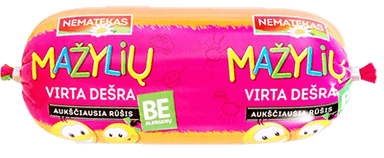
MAŽYLIŲ boiled sausage, 300 g

Elpozo Salami Fuetec Iberico
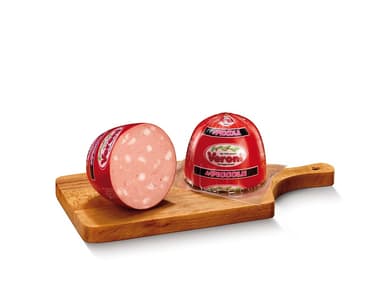
Boiled sausage VERONI Mortadella BolognaLe Piccole, half size, 450 g
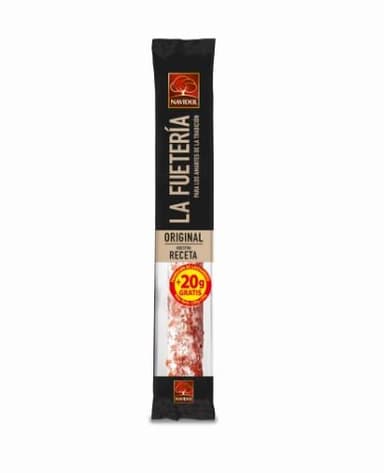
Spanish dried sausage, NAVIDUL, Fuet original, 150 g
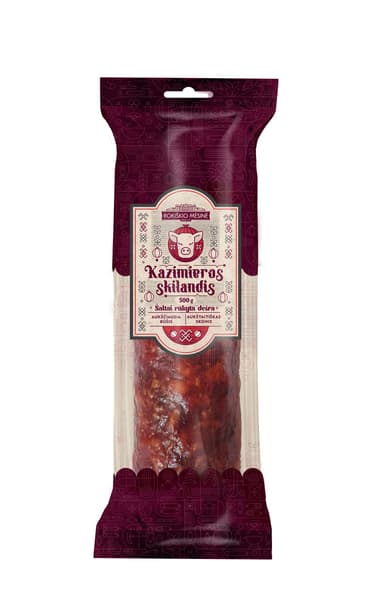
Cold smoked skilandis Kazimieros, 500 g
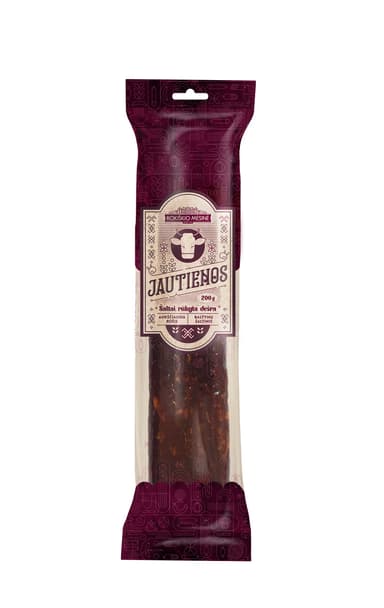
Cold smoked beef sausage, 200g
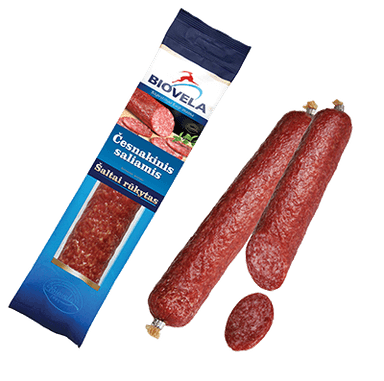
Garlic cold smoked salami, 230 g
Otepää Doctor's Sausage

Maks&Moorits Grilled Sausages, Tasty, 900g
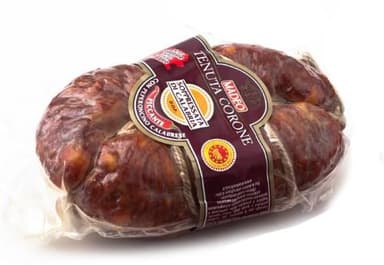
Italian dried sausage MADEO Soppressata di Calabria, spicy, ~350 g
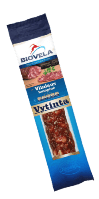
VILNIUS cured ham sausage 200g
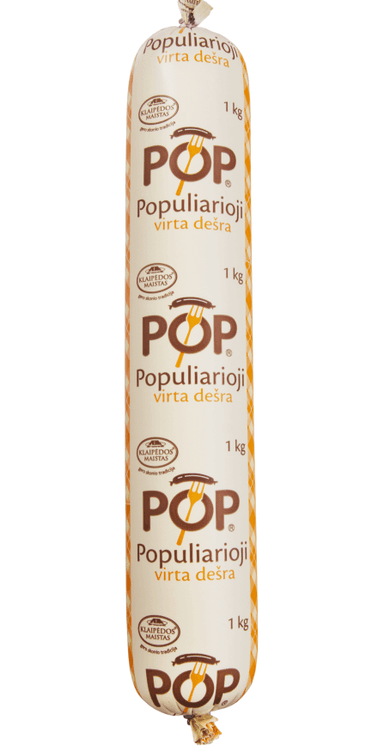
Cooked POPULIARIOJI sausages 1 kg
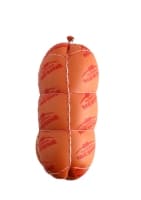
Cooked sausage DAKTARIŠKA Premium, 600 g
