
Boiled sausage PANERIO EKSTRA, 0,6 kg
109 people viewed this product
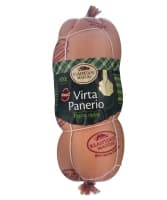
Boiled sausage PANERIO EKSTRA, 0,6 kg
Unlock Full Product Analysis
Get AI-powered ingredient breakdowns, personalized health insights, and smarter food choices — all inside Telegram.
Noticed incorrect or incomplete information about this product?
Report a problem?
Similar Products
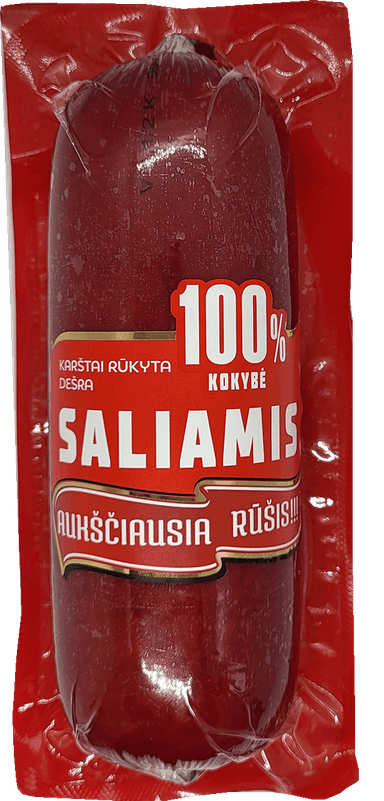
Cooked smoked sausage SAMSONO SALIAMIS, 350 g
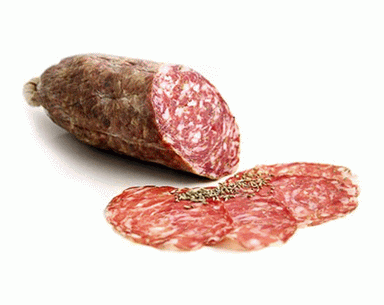
Italian dried sausage SALUMERIA DI MONTE SAN SAVINO, Finocchiona,~750g
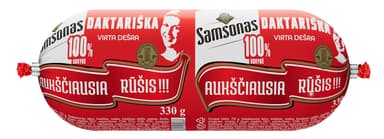
Cooked sausage SAMSONO DAKTARISKA, 330 g
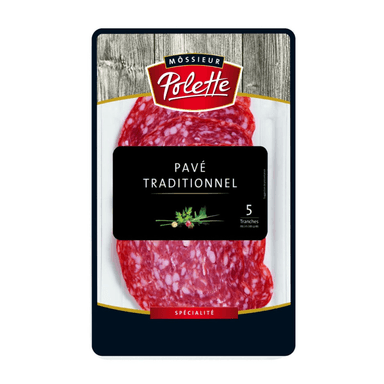
Traditional Dried Pork Sausage PAVE
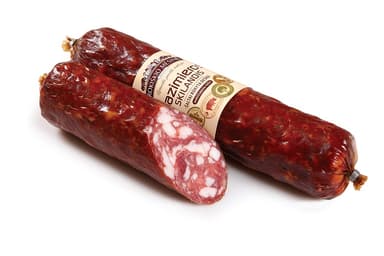
Cold smoked sausage Kazimieros skilandis, extra class, ~700g
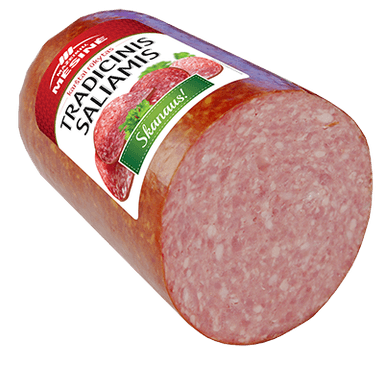
TRADITIONAL hot-smoked salami, 600g
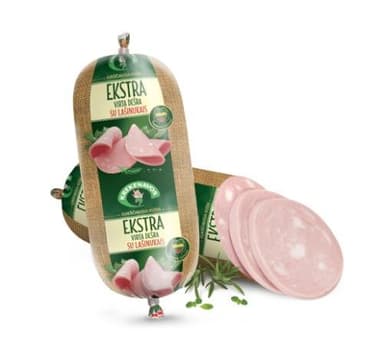
Boiled sausage EKSTRA, with lard, in vacuum, 570g, pcs
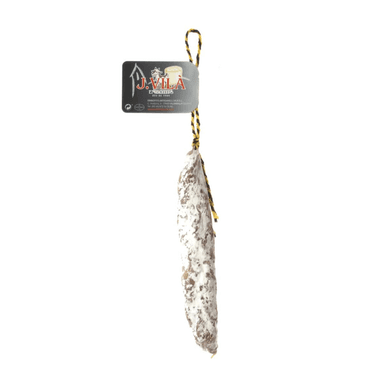
Dried pork sausage with goat cheese FUET
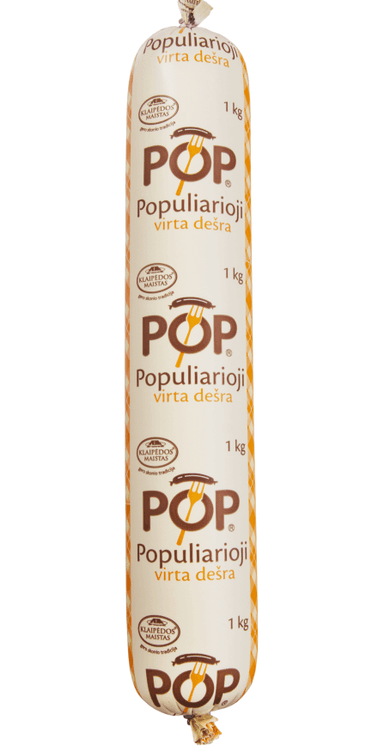
Cooked POPULIARIOJI sausages 1 kg
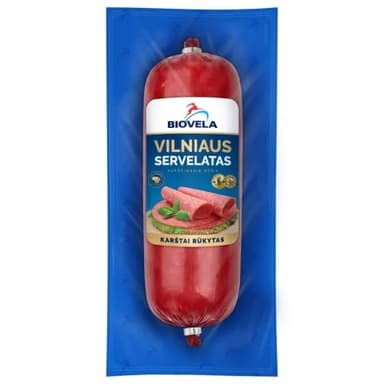
Hot smoked servelat BIOVELA, Vilnius, the highest grade, 280 g
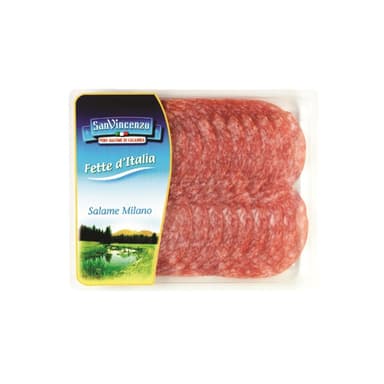
Dried pork salami MILANO, sliced, 80 g
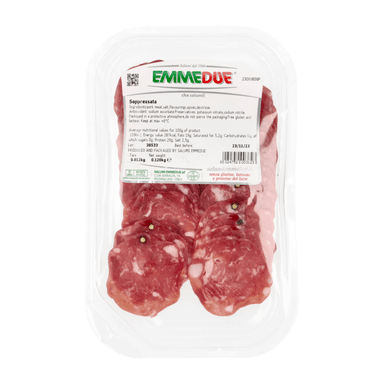
Sliced dried pork sausage SOPRESSATA
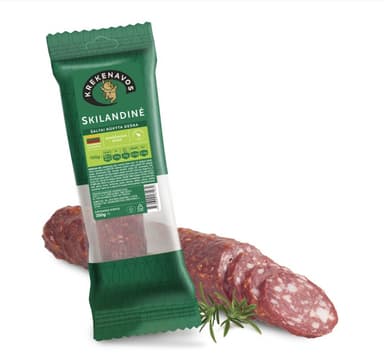
Cold smoked KREKENAVOS Skilandine sausage, 350 g
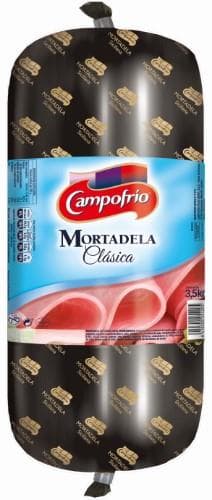
Boiled sausage CAMPOFRIO Mortadela, 3,5 kg
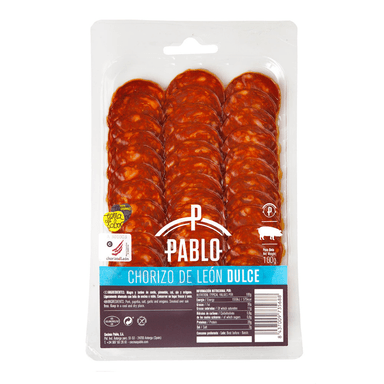
Cured pork sausage CHORIZO DE LEON DULCE
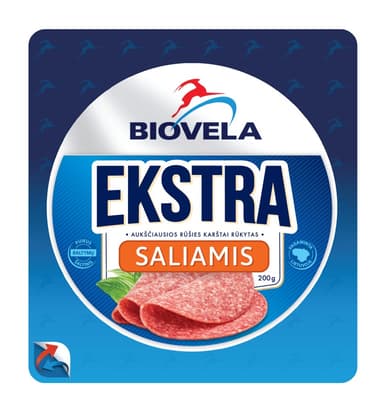
Hot smoked sausage BIOVELA Ekstra Saliamis, 200 g
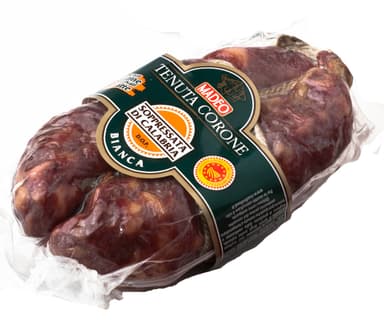
Italian dried sausage MADEO Soppressata di Calabria, ~ 350 g
Dried sausage BERNU, 9 g
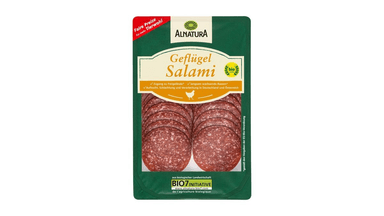
Alnatura Bio-Poultry Salami
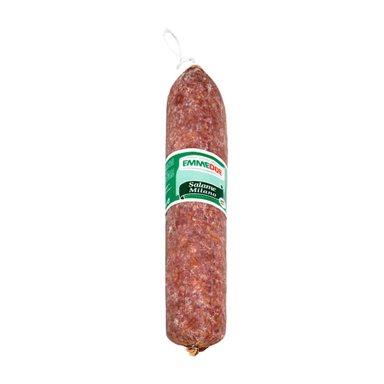
Dried pork salami MILANO
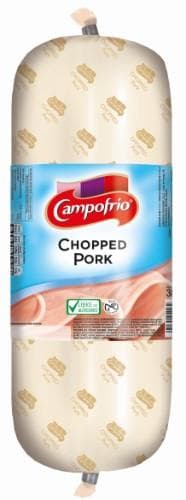
Boiled Chopped Pork sausage CAMPOFRIO, 3 Kg
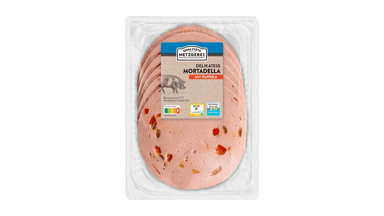
Mortadella with Paprika

Matsimoka, Traditional Salami, 150 g
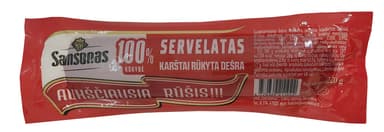
Hot smoked sausage SAMSONO SERVELATAS, 220 g
