
/
Meat fish and culinary preparation
/Meat products
/Sausages hot dogs
/Boiled mini sausages GIMINIU, 26 g
Boiled mini sausages GIMINIU, 26 g
102 people viewed this product
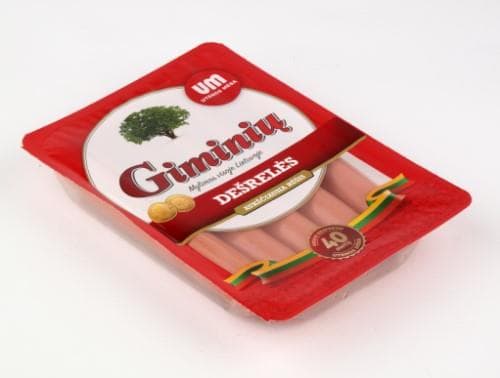
Boiled mini sausages GIMINIU, 26 g
Unlock Full Product Analysis
Get AI-powered ingredient breakdowns, personalized health insights, and smarter food choices — all inside Telegram.
Noticed incorrect or incomplete information about this product?
Report a problem?
Similar Products
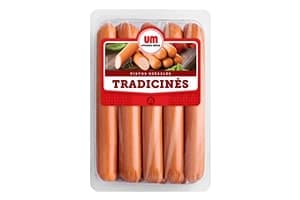
Boiled sausages TRADICINĖS, II cat, 260 g

Skonio Kalvė Dried Sausages Premium Grade
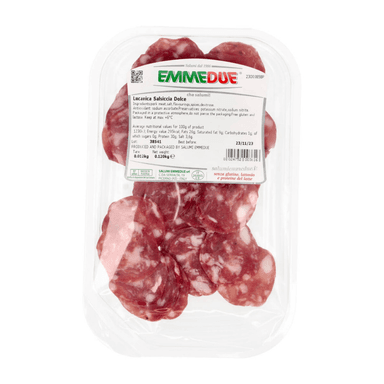
Cured pork sausage LUCANICA SALSICCIA DOLCE, sliced
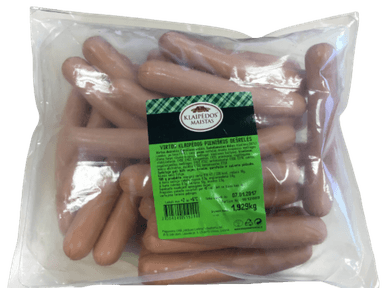
KLAIPĖDOS FRANKS ~1,5 KG

Woro Beer Snacks with Cheese
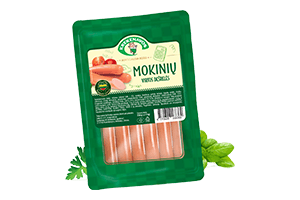
MOKINIŲ cooked sausages 750g

Rakvere Children's Sausage

Linnamäe Lihatööstus Full smoked beef sausage with cheese 230 g
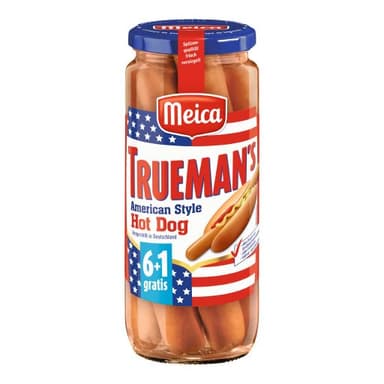
Boiled sausages MEICA Trueman's, in a jar, 350 g
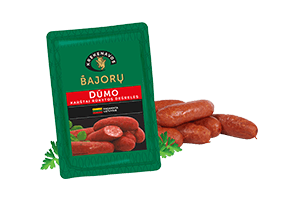
500g BAJORŲ DŪMO hot smoked sausages
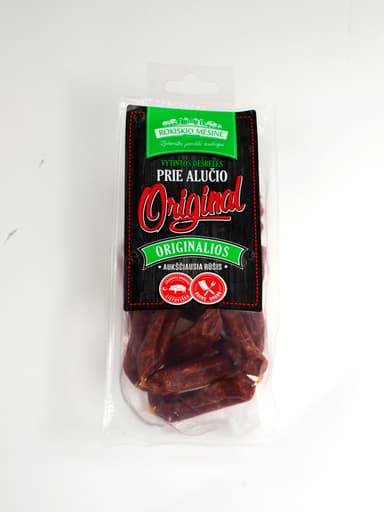
Dried sausages ROKISKIS MEAT By Alutis Original, 170 g
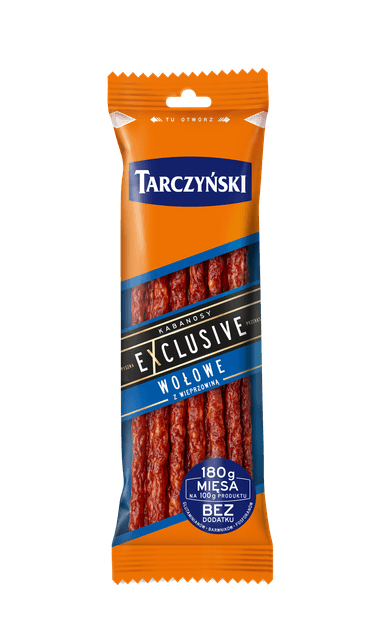
Kabanos TARCZYNSKI sausages, with beef, 90 g
Smoked Spicy Sausages KABANOSY DŪZGĖS, 100 g

Hot smoked sausages Medziotoju, 325 g

Maks&Moorits, Talusink
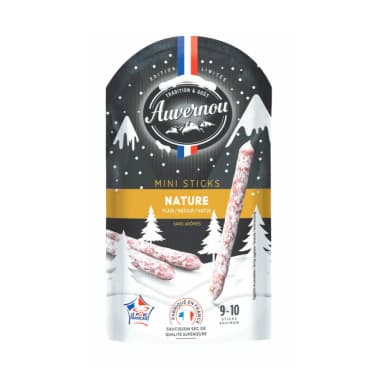
Nature Classic Mini Pork Sausages
Sausages HOTDOG chicken, 1 kg
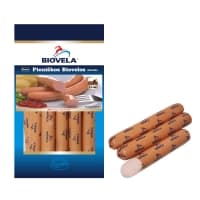
Boiled sausages PIENIŠKOS BIOVELOS, ~0.84 kg
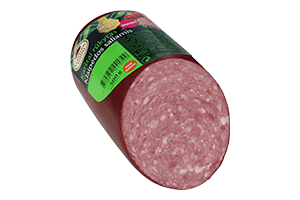
KLAIPĖDA hot-smoked salami 500g
MAŽYLIŲ boiled sausages with iodized salt, 210 g
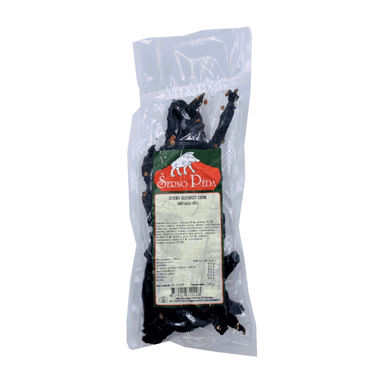
Dried sweet and sour venison
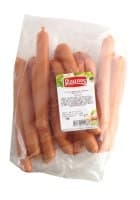
Cooked sausages RAGNOS MOKSLEIVIŲ, in gas, ~1,54 kg
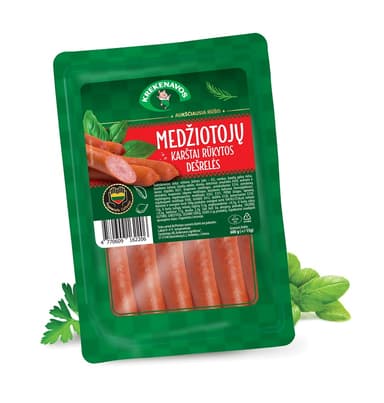
Smoked sausages MEDZIOTOJU, gas, 0,6 kg ,pcs.
Boiled sausages BIOVELA, extra class, 840 g
