
/
Meat fish and culinary preparation
/Meat products
/Sausage
/Boiled sausage Daktariska Ekstra, extra class, 600g
Boiled sausage Daktariska Ekstra, extra class, 600g
122 people viewed this product
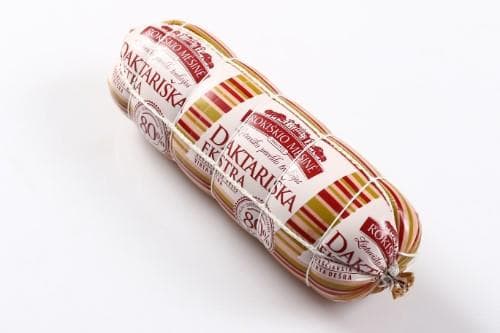
Boiled sausage Daktariska Ekstra, extra class, 600g
Unlock Full Product Analysis
Get AI-powered ingredient breakdowns, personalized health insights, and smarter food choices — all inside Telegram.
Noticed incorrect or incomplete information about this product?
Report a problem?
Similar Products
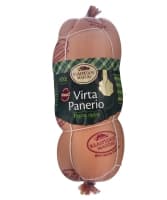
Boiled sausage PANERIO EKSTRA, 0,6 kg

Nõo, Fully Smoked Sausage with Parmigiano-Reggiano
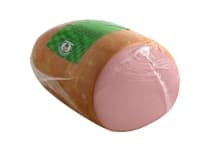
Boiled sausage Krekenavos Daktariska, 500 g, pcs.
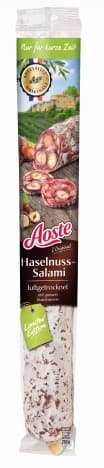
Dried pork sausage AOSTEHazelnut Salami, 250g

Elpozo Salami Fuetec Iberico
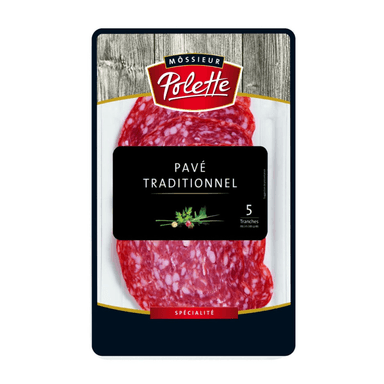
Traditional Dried Pork Sausage PAVE

Rakvere Italian-style salami
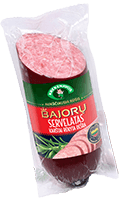
BAJORŲ hot smoked sausage, 400 g
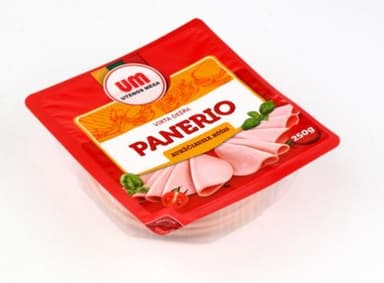
Boiled sausage Panerio, 250 g
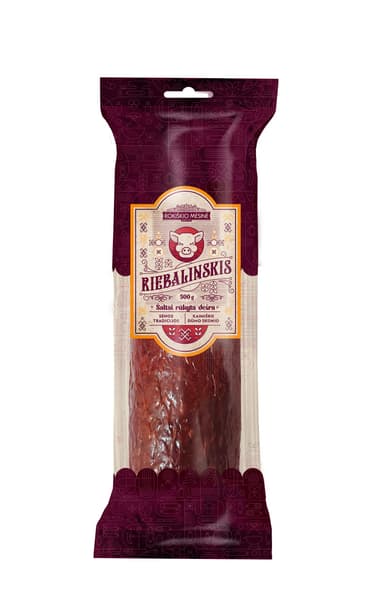
Cold smoked sausage Riebalinskis 500 g
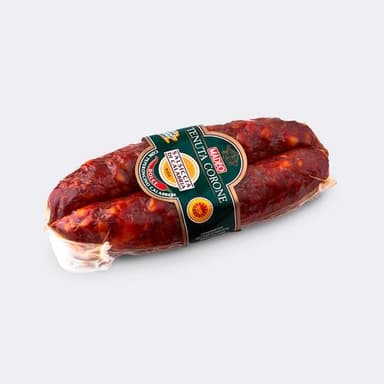
Dried sausage SALSICCA PDO, 1r., ~ 250 g
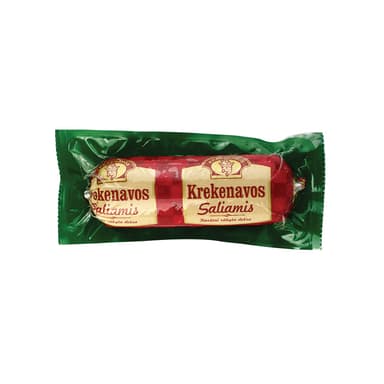
Hot-smoked salami KREKENAVOS, 280 g
Dried pork salami VENTRICINA, spicy, sliced, 120 g

Riga Butcher Spanish Salami 200g
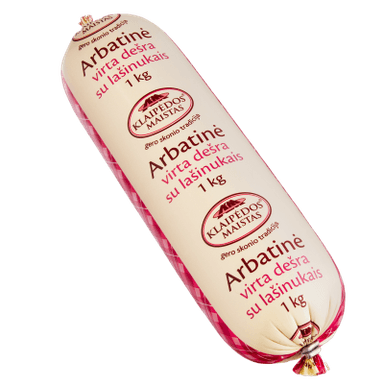
ARBATINĖ boiled sausage with small bacon bits, 1kg
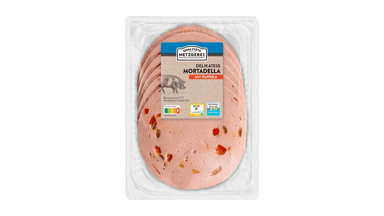
Mortadella with Paprika
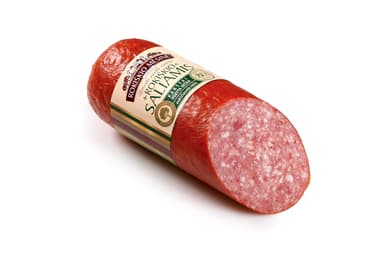
Boiled sausage DAIVIDOS Delicious, a.r., 350 g
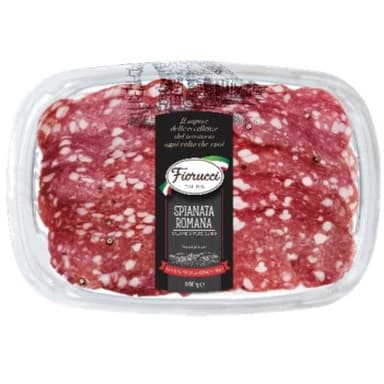
Cured saliami sausage FIORUCCI,slices, type I 100g
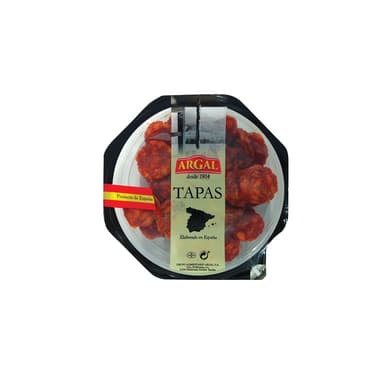
Dried sausage Tapas CHORIZO sliced, extra, 80 g
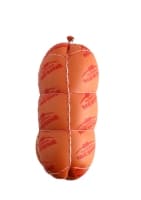
Cooked sausage DAKTARIŠKA Premium, 600 g
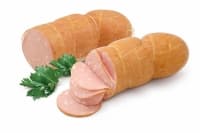
Boiled sausage Krekenavos with lard in a vacuum, sawn half, ~1,24 kg
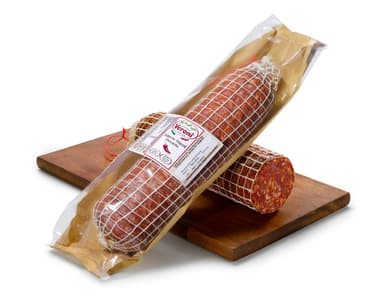
Salami NAPOLI, in flow pack, ~1,7 kg
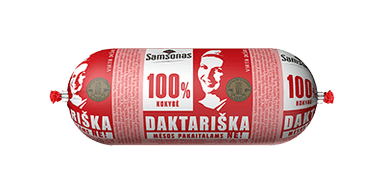
Virta SAMSONO DAKTARIŠKA sausage, a. r., 330 g

Linnamäe Lihatööstus, Fully Smoked Elk Sausage
