
Cooked Utenos sausage Daktariska , 600g
148 people viewed this product
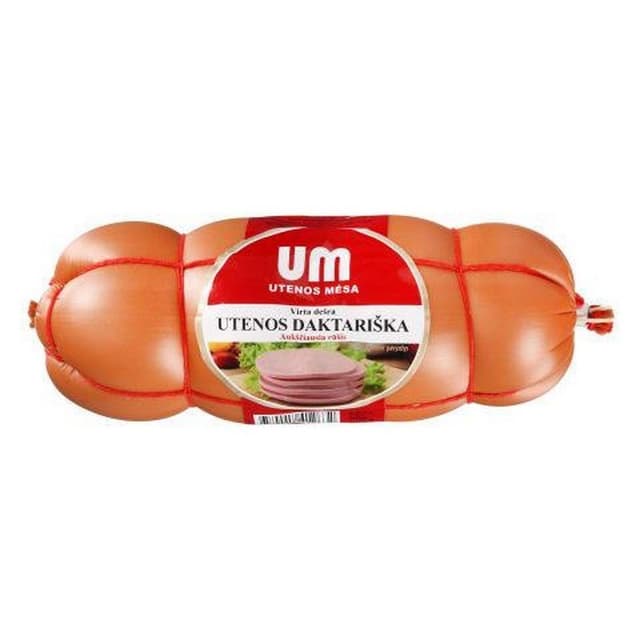
Cooked Utenos sausage Daktariska , 600g
Unlock Full Product Analysis
Get AI-powered ingredient breakdowns, personalized health insights, and smarter food choices — all inside Telegram.
Noticed incorrect or incomplete information about this product?
Report a problem?
Similar Products
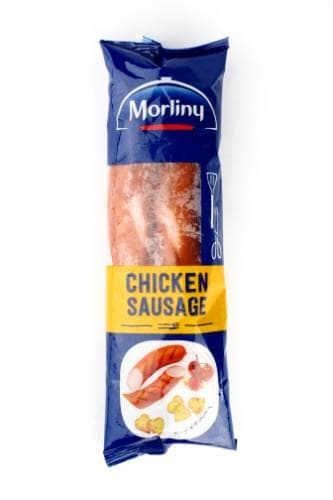
Chicken breast sausage 93 % meat, 400 g
Dried pork salami VENTRICINA, spicy, sliced, 120 g
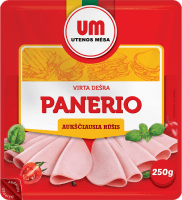
PANERIO sliced boiled sausage 250g
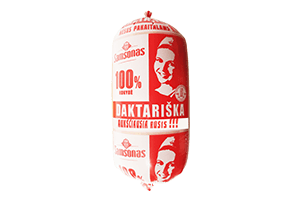
SAMSONO DAKTARIŠKA boiled sausage 600g
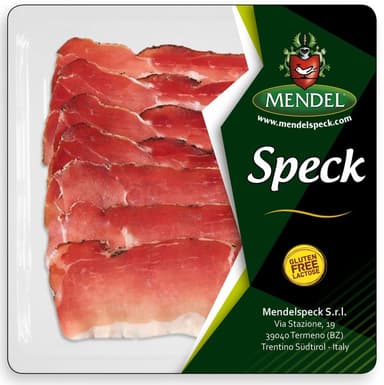
Dried pork ham MENDEL, lightly smoked, sliced, 100 g
Boiled sausage ARBATINĖ, II rūšis, 700 g
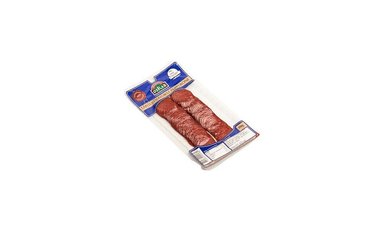
Pepperoni sliced fully smoked sausage 80 g
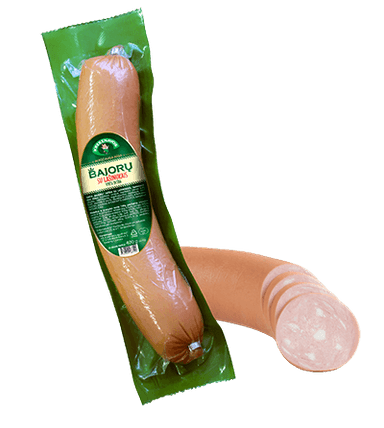
Virta BAJORŲ sausage, a.r., 400 g
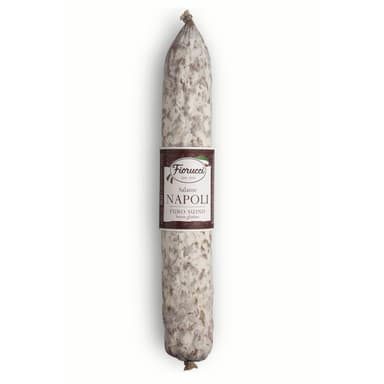
Cured salami sausage FIORUCCI, Napoli, I r., ~1.5kg
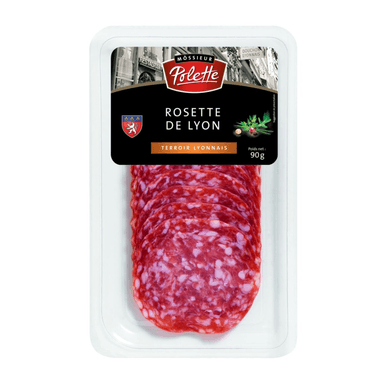
Cured pork sausage ROSETTE
Boiled GARDŽIOJI sausage RAGNOS, 1 kg
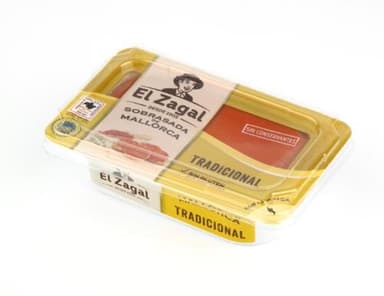
Dried sausage, SOBRASADA de MALLORCA, tubs, traditional, I r., 200g
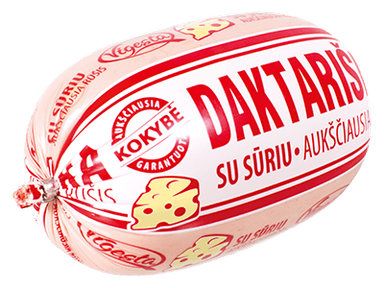
Boiled Doctor's Sausage QUALITY with Cheese, 600 g
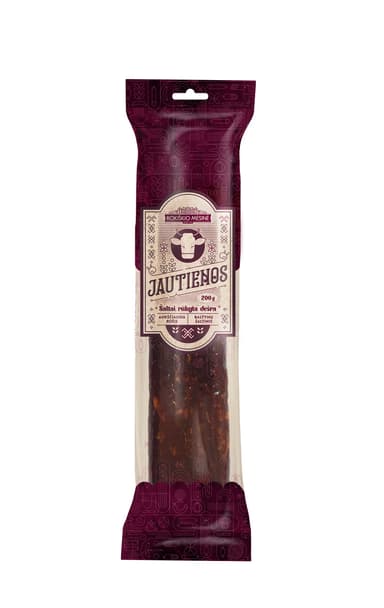
Cold smoked beef sausage, 200g
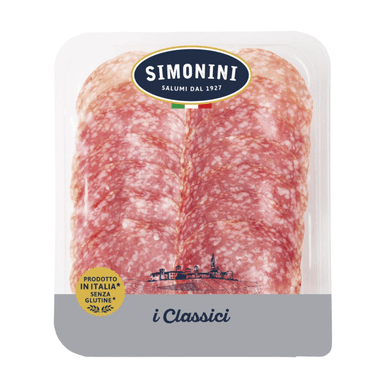
Sliced MILANO salami, cured
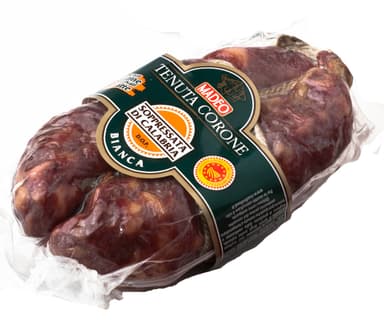
Italian dried sausage MADEO Soppressata di Calabria, ~ 350 g
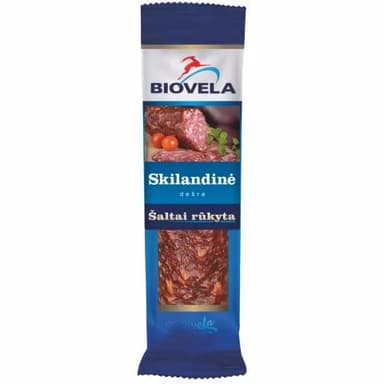
Cold smoked sausage BIOVELA, Skilandinė, the highest type, 330 g
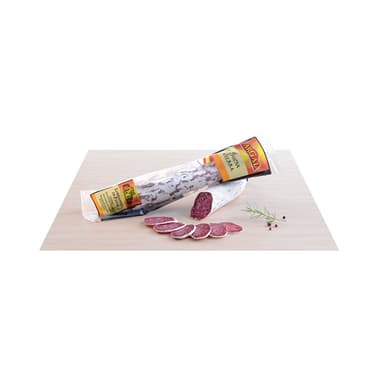
Dried sausage LONGANIZA PAYES BUENASIERRA, extra, 200 g
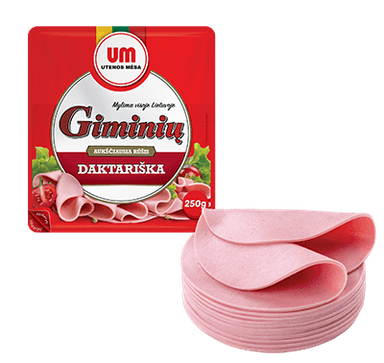
GIMINIŲ boiled sausage slices, 250 g
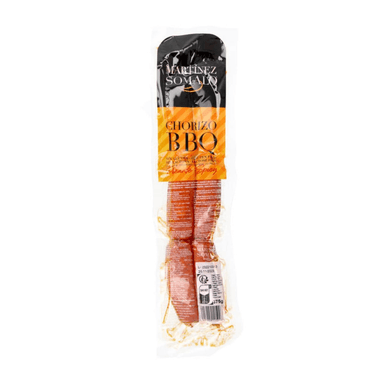
Spicy Pork Grilling Sausages CHORIZO BBQ
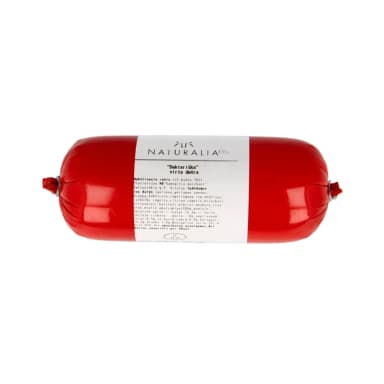
Boiled beef sausage DACTARIŠKA
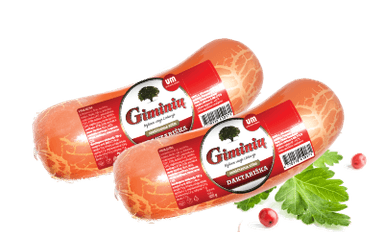
GIMINIŲ DAKTARIŠKA boiled sausage, 600 g
Cooked smoked sausage RAGNOS, ~1,5 kg
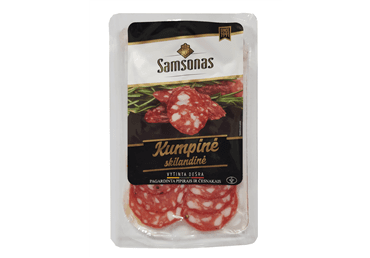
Dried SAMSONO kumpinė skilandinė sausage, sliced, top quality, 90 g
