
/
Frozen products
/Bread and bread products
/Frozen cakes desserts
/Frozen vegan apple cake ERLENBACHER (12x188g), 2.25 kg
Frozen vegan apple cake ERLENBACHER (12x188g), 2.25 kg
90 people viewed this product
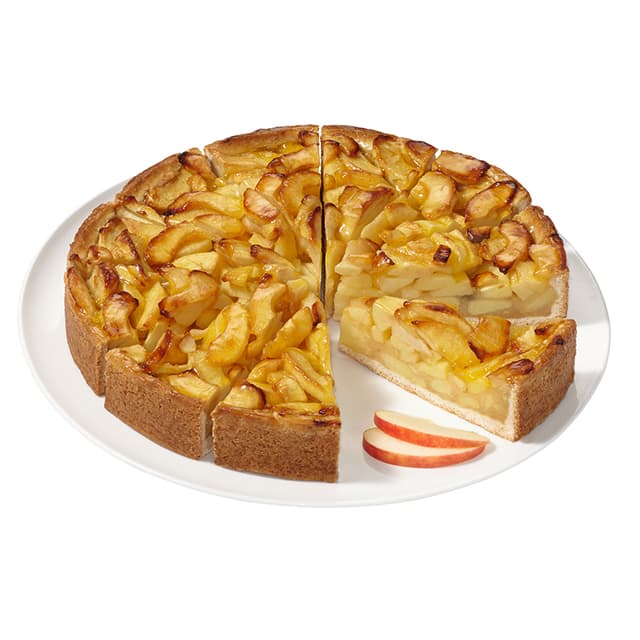
Frozen vegan apple cake ERLENBACHER (12x188g), 2.25 kg
Unlock Full Product Analysis
Get AI-powered ingredient breakdowns, personalized health insights, and smarter food choices — all inside Telegram.
Noticed incorrect or incomplete information about this product?
Report a problem?
Similar Products

Vanilla cake
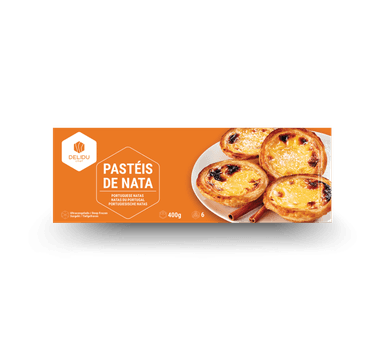
Portuguese custard tarts NATAS, frozen
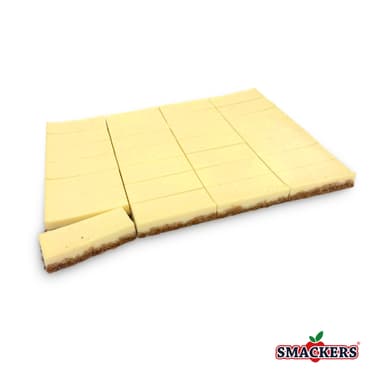
Frozen NEW YORK cheesecake, sliced (28x72g), 2 kg
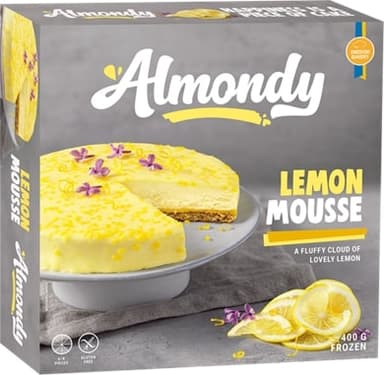
Frozen lemon flavor cake ALMONDY, 400 g, uncut
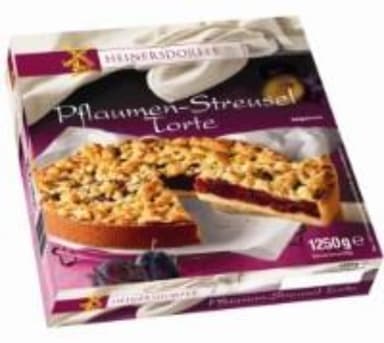
Frozen crumble plum cake HEINERSDORFER, 1250 g
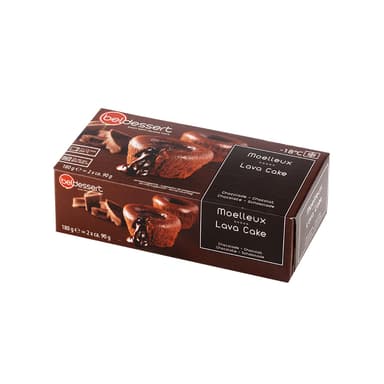
Frozen chocolate cake BELDESSERT Lava Cake, black chocolate, 2x90g
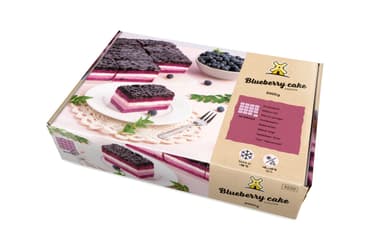
Frozen blueberry cake, (16pcs x 125g) 2 kg

Staburadze Cake Kamenīte
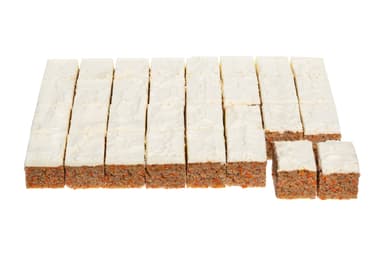
Frozen carrot cake, sliced (32x56.25g), 1.8 kg
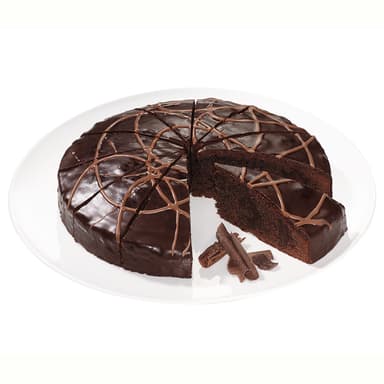
Frozen chocolate cake ERLENBACHER (12x83g), 1 kg
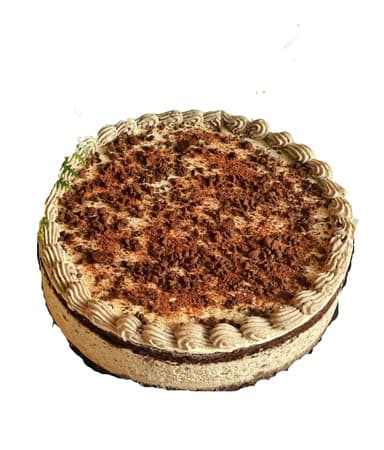
Frozen Italian cake STRACCIATELLA, (16x137g), 2,2 kg
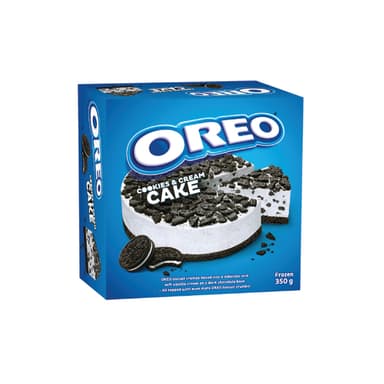
Frozen cake OREO Cookies&Cream, 400 g
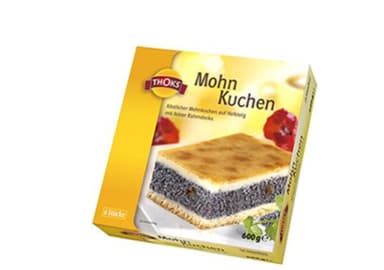
Frozen poppy seed cake THOKS, sliced (6x100g), 0.6 kg
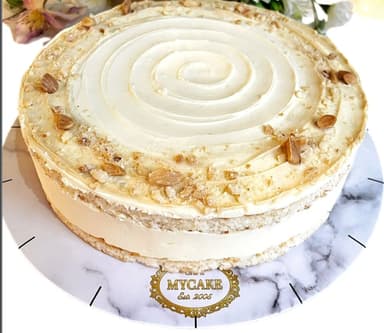
Frozen cake RAFFAELLO, sliced, (16x130g), 2 Kg
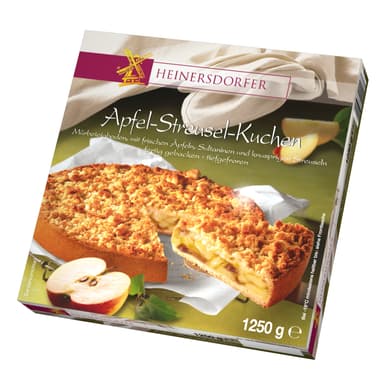
Frozen crumble apple cake HEINERSDORFER, 1,25kg
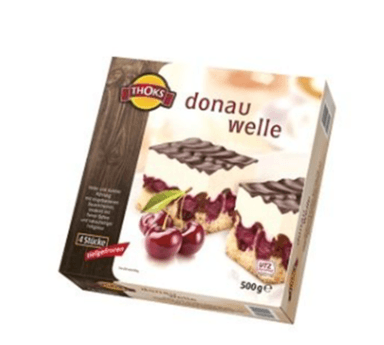
Frozen German cake THOKS "Donauwelle", with cherries, sliced (4x125g), 0.5 kg
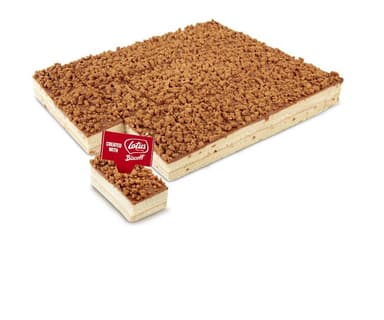
Frozen cookie cake LOTUS BISCOFF with cream, sliced (21x100g), 2.1 kg
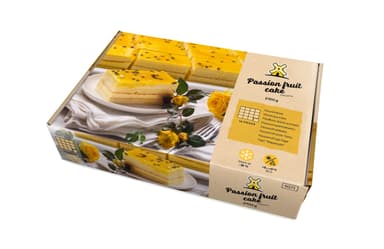
Frozen passion fruit cake, 2.1 kg
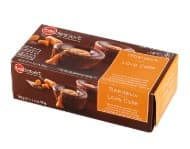
Frozen chocolate cake BELDESSERT Lava cake, vegan, 2 x 90 g
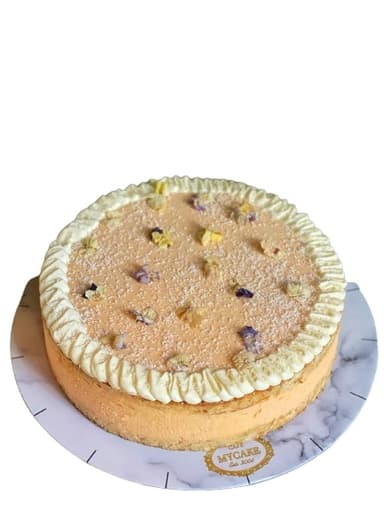
Frozen cake with melon, CANTALUPE (16x135g), 2,18 kg
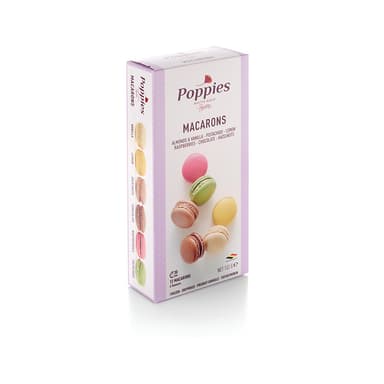
Poppies filled macarons POPPIES 6 flavours 12 unts x 11g
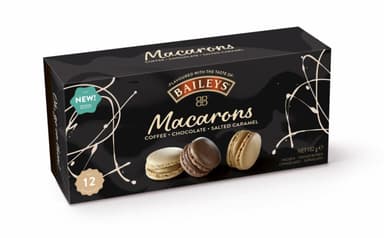
Frozen cookies Macaroons, Baileys chocolate, coffee and caramel flavor 12 pcs, 132g
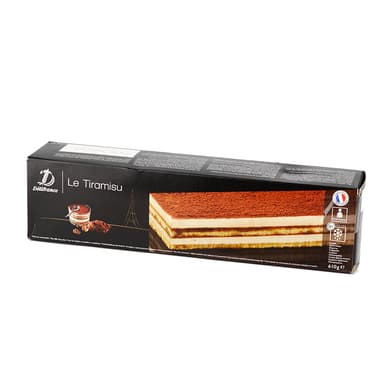
TIRAMISU bar cake, 610 g 76543
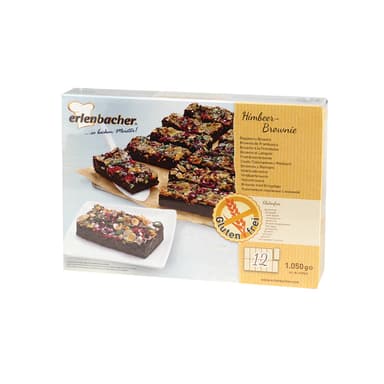
Frozen chocolate cake ERLENBACHER with raspberries, Raspberry Brownie (12x88g), 1.05 kg (gluten-free
