
Mini cake with cream filling, 294 x 17 g
92 people viewed this product
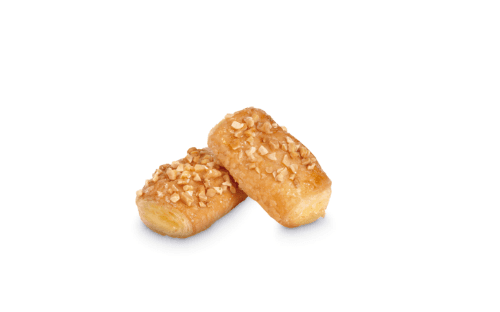
Mini cake with cream filling, 294 x 17 g
Unlock Full Product Analysis
Get AI-powered ingredient breakdowns, personalized health insights, and smarter food choices — all inside Telegram.
Noticed incorrect or incomplete information about this product?
Report a problem?
Similar Products
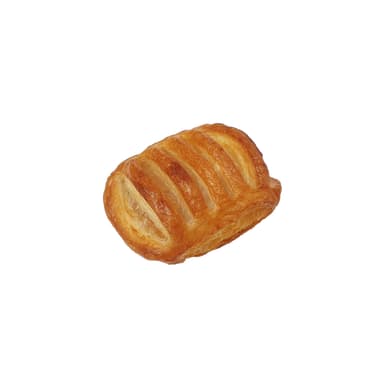
Mini bun with apples, 35 g x 30 pcs
Mini bun with chocolate, 10 x 25g
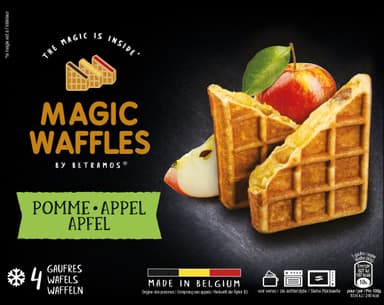
Frozen belgian waffels "Magic Waffles" with apple filling, 4 x 80 g
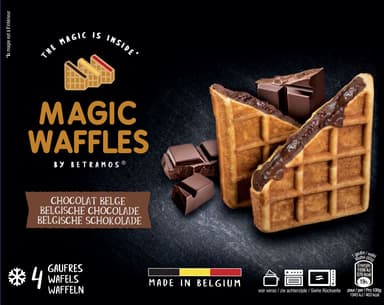
Frozen belgian waffels "Magic Waffles" with chocolate filling, 4 x 80 g
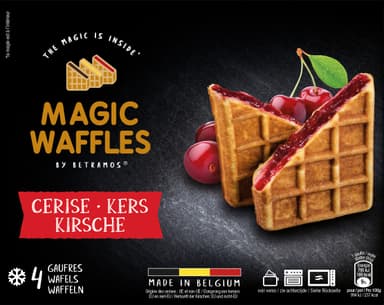
Frozen belgian waffels "Magic Waffles" with cherry filling, 4 x 80 g
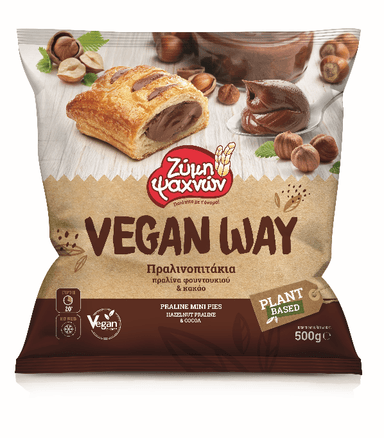
Frozen cakes with chocolate and nut flavor filling (8 x 93g)
Frozen phyllo dough rolls BOREK with caramel, 2,4 kg (120g x 20 vnt)
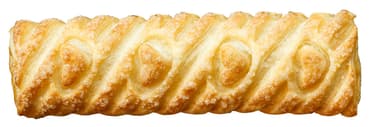
Puffed pastry vanilla stick HEARTS, 100g
Frozen donuts "Berlin" with chocolate and hazelnut filling, 105 x 25 g

Poppy seed and marzipan roll
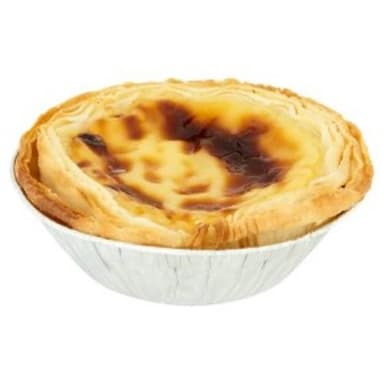
PASTEL DE NATA, 66 g x 4 pcs
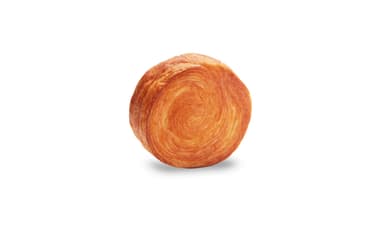
Frozen Bun NY ROLL PLAIN, frozen, 62 g x 36 pcs.,
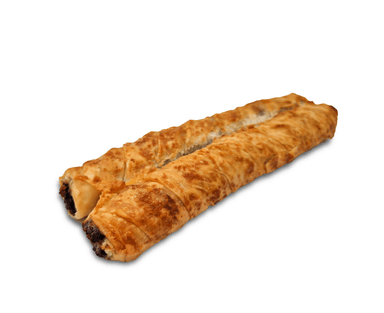
Frozen phyllo dough rolls BOREK with chocolate, 2,4 kg (120g x 20 vnt)
Bretzel, 149 g x 32 pcs 40285
Frozen small bun GOURMAND, layered, maple syrup, pecan nuts, 42 g x 24
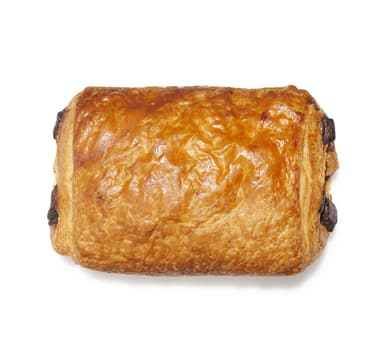
Frozen layerd bun GOURMAND, with chocolate filling, 75 g x 30 pcs
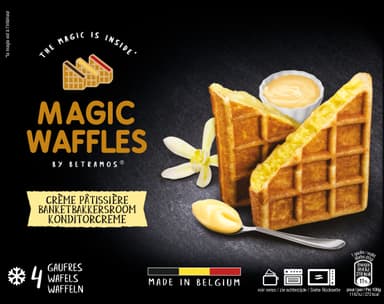
Frozen belgian waffels "Magic Waffles" with custard cream filling, 4 x 80 g
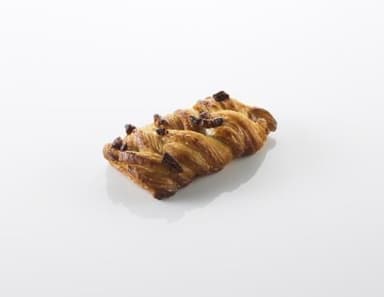
Pre-proved deep frozen Danish pastry, 98g x 48 pcs, 52100012
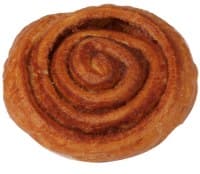
Bun with cinnamon, 70 g
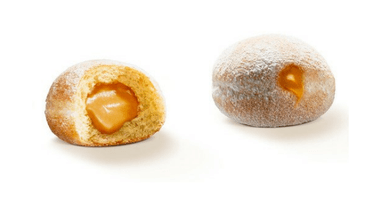
Frozen donuts with caramel filling, 105 x 25 g
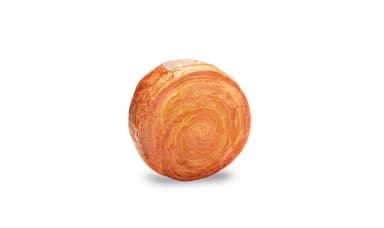
Frozen bun NY ROLL CARAMELIZED, caramelized, 68 g x 36 pcs. (M)
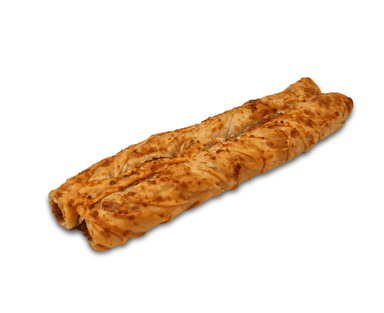
Frozen phyllo dough rolls BOREK with salted caramel, 2,4 kg (120g x 20 vnt)
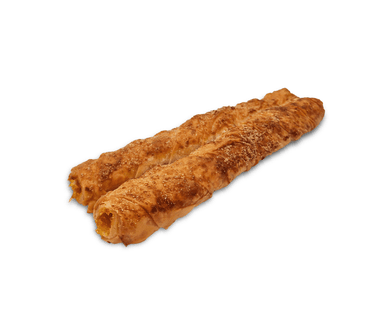
Frozen phyllo dough rolls BOREK with apricot , 2,4 kg (120g x 20 vnt)

Cinnamon Swirl SG, 90 g x 48 pcs, 5735
