
/
Frozen products
/Bread and bread products
/Donuts muffins
/Muffins LES TULIPES, with raspberries, cheesecake, frozen, 110 g,62150
Muffins LES TULIPES, with raspberries, cheesecake, frozen, 110 g,62150
70 people viewed this product
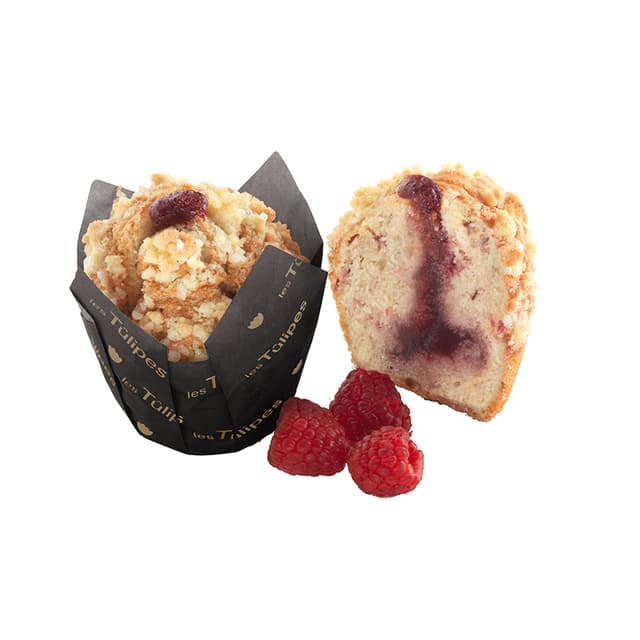
Muffins LES TULIPES, with raspberries, cheesecake, frozen, 110 g,62150
Unlock Full Product Analysis
Get AI-powered ingredient breakdowns, personalized health insights, and smarter food choices — all inside Telegram.
Noticed incorrect or incomplete information about this product?
Report a problem?
Similar Products
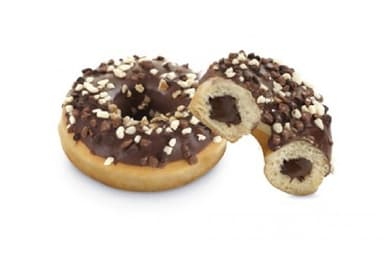
Donut DOTS, with chocolate filling and chocolate sprinkles, frozen,75g
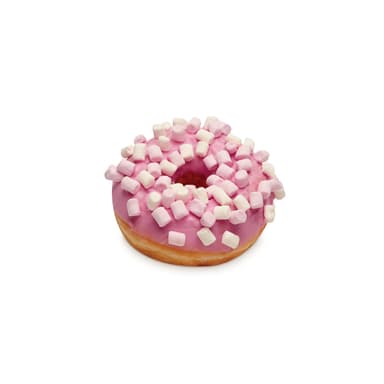
Donut DOTS Marshmallow, frozen, 59 g x 36 pcs.
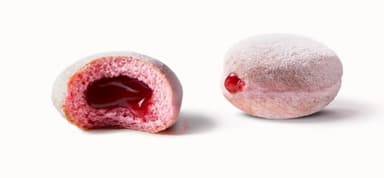
Frozen donuts with berries filling, 105 x 25g
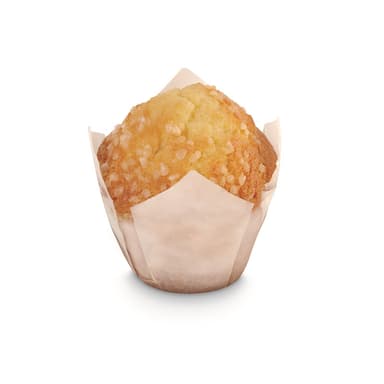
Muffins LES TULIPES lemon flavor, american, frozen, 90g
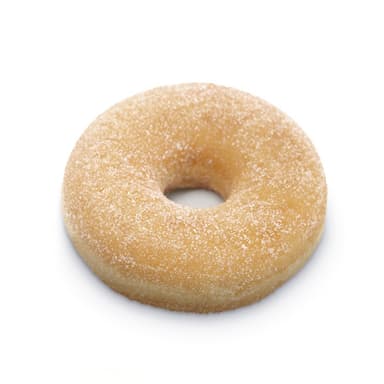
Donut DOTS, with sugar, american, frozen, 49 g
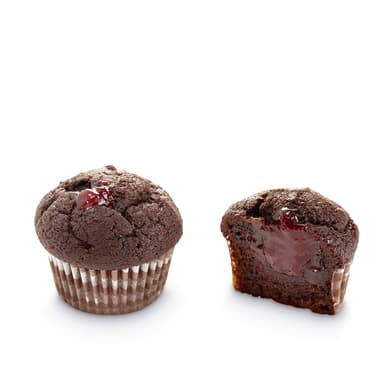
Muffins LES TULIPES Mini, chocolate, strawberry jam, frozen, 28 g
Frozen donut with fruit filling 175 x 25 g
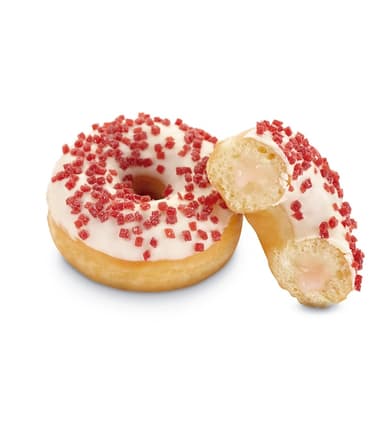
Donut DOTS, with strawberry jam and sprinkles, frozen, 75 g
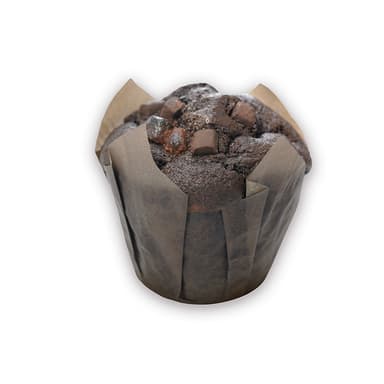
Muffins LES TULIPES chocolate, american, frozen, 90g
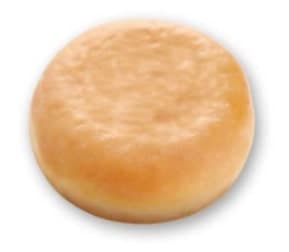
Donut DOTS, ball, plain, frozen, 55 g x 36 pcs, 35890
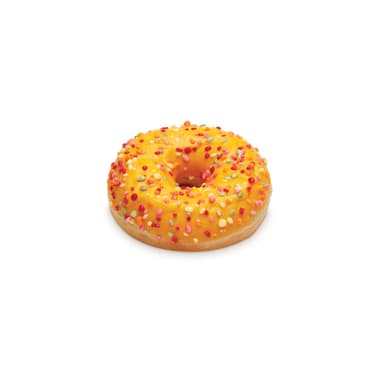
Donut DOTS Yellow Frutti, frozen, 56 g x 36 pcs.
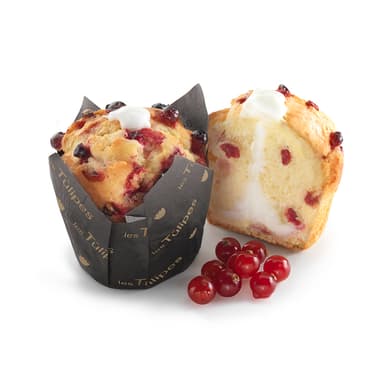
Muffins LES TULIPES, with cranberries, yogurt, american, frozen, 110 g
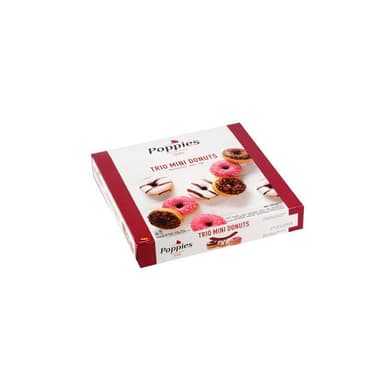
Mini donuts POPPIES,, 9 pcs., 250g
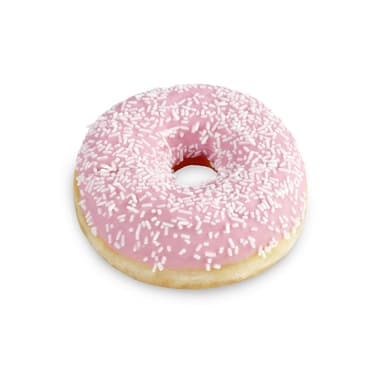
Donut DOTS, with pink glaze, american, frozen, 60 g
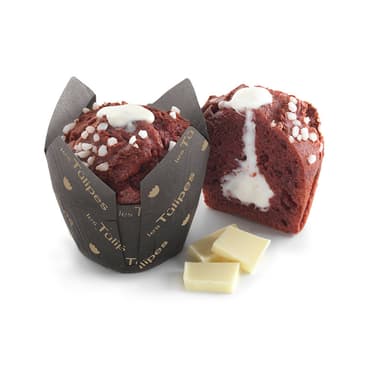
Muffins LES TULIPES,Red Velvet, white chocolate, american, frozen,110g
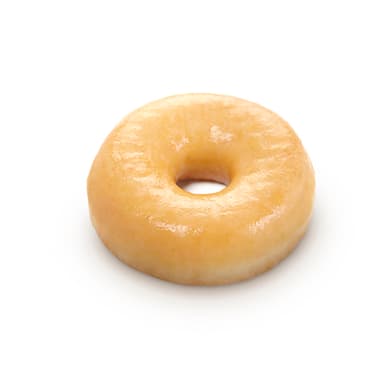
Donut DOTS Mini, with sugar glaze, frozen, 28 g
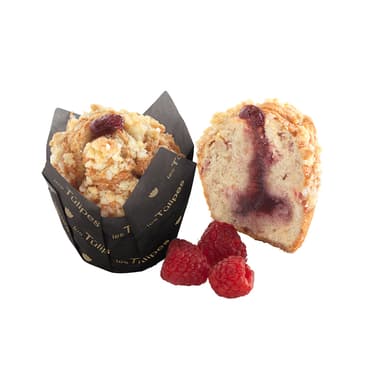
Muffins LES TULIPES, with raspberries, cheesecake, frozen, 110 g,62150
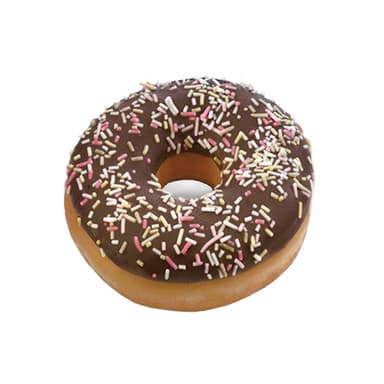
Donut DOTS, with chocolate glaze and sprinkles, american, frozen, 55 g
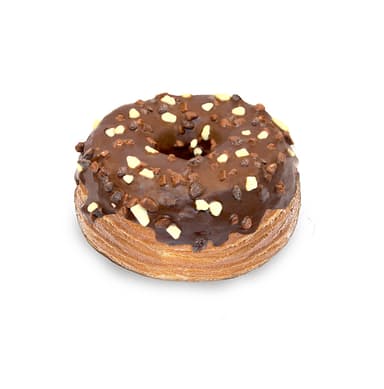
Donut CRODOTS, with chocolate glaze, sprinkles, american, frozen, 95 g
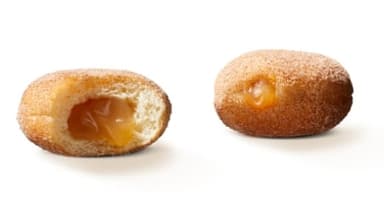
Frozen donuts with apple and cinnamon sugar, 105 x 25g
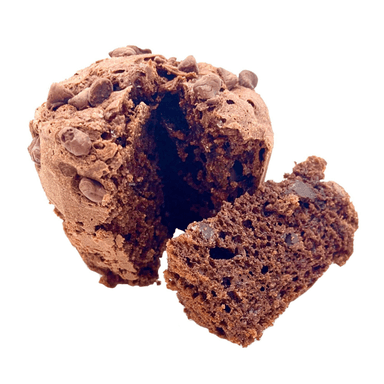
Chocolate muffin with chocolate chunks, frozen, gluten-free
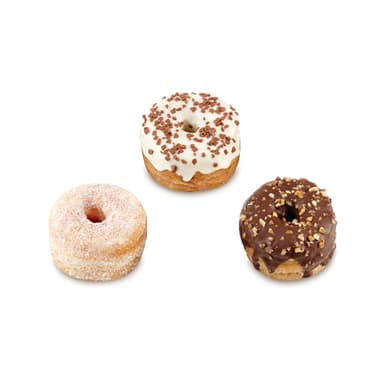
Mini donuts CRODOTS Assortment, frozen, 40 g x 54 pcs.
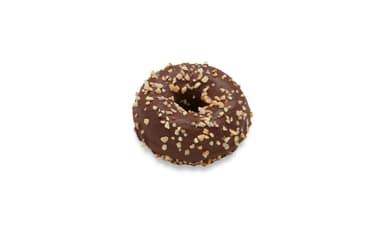
Donut DOTS, with dark chocolate and nut pieces glaze, American, 64 g x
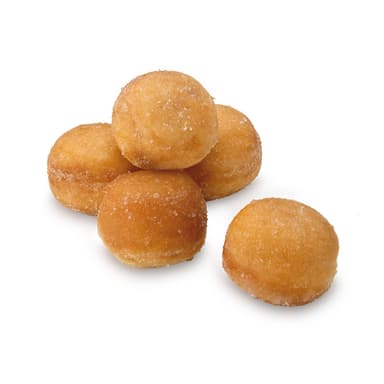
Donut DOTS Mini, with sugar, frozen, 12 g
