
/
Frozen products
/Ice cream icecubes
/Ice cream portions
/Vanilla edible ice cream with dark chocolate chunks SUPER VIVA COOKIE BAR 90ml
Vanilla edible ice cream with dark chocolate chunks SUPER VIVA COOKIE BAR 90ml
178 people viewed this product
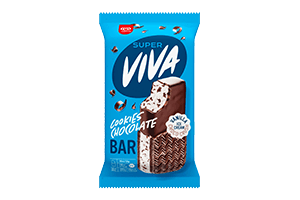
Vanilla edible ice cream with dark chocolate chunks SUPER VIVA COOKIE BAR 90ml
Unlock Full Product Analysis
Get AI-powered ingredient breakdowns, personalized health insights, and smarter food choices — all inside Telegram.
Noticed incorrect or incomplete information about this product?
Report a problem?
Similar Products

Regatt, Vanilla ice cream

Regatt, Ice cream briquet

Raks, Cream Ice Cream with Cookies

Kalevipoeg, Milk Chocolate Cream Ice Cream with Almond Pieces
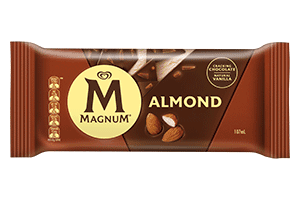
Vanilla edible ice cream MAGNUM ALMOND 120 ml
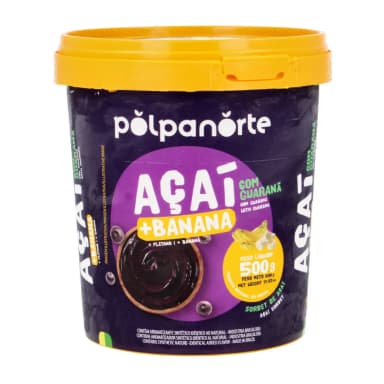
ACAI berry sorbet with bananas
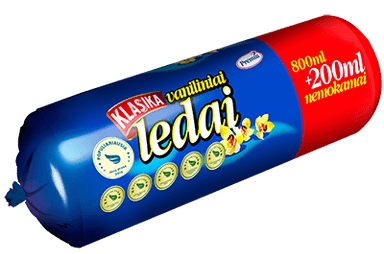
Classic Vanilla Ice Cream, 1000 ml
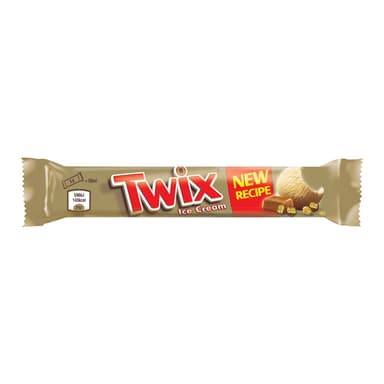
Ice-cream bar TWIX, 40 g
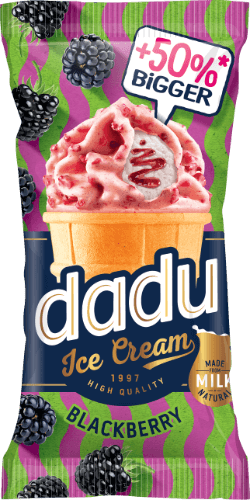
Ice cream DADU, with yoghurt and blackberrys, 180ml
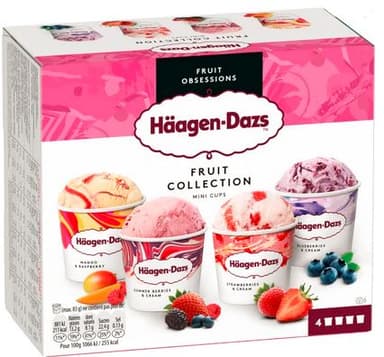
Ice Cream Set HAAGEN DAZS Fruit Collection, 4x95ml
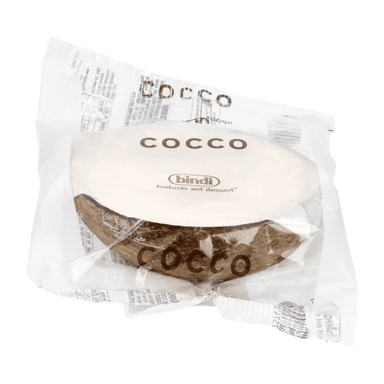
Coconut Plombir COCCO
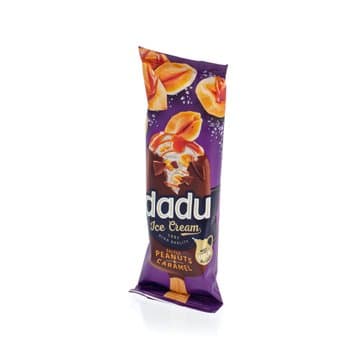
Chocolate gl. vanilla ice cr. DADU, w salt.caram. nuts 100ml/63g
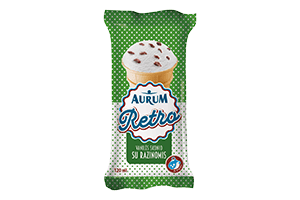
Retro 120ml Vanilla Flavored Ice Cream with Raisins
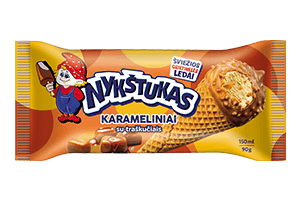
Caramel cream ice cream with crisps NYKŠTUKAS 150ml
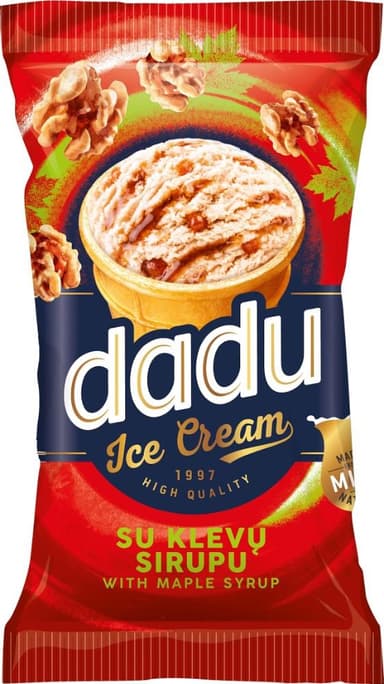
Maple syrup flavour ice cream DADU, with greek nuts and maple syrup filling, 120 ml / 73 g
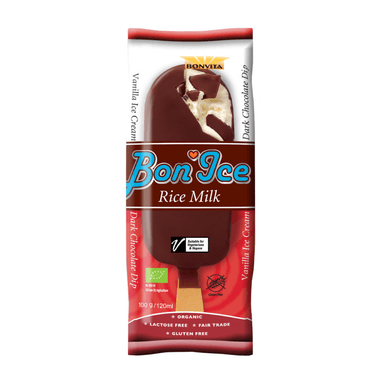
Vegan glazed edible ice cream, organic

Karums, Ice cream flavored bar with poppy seeds
Ice Cream ROYAL PLOMBIR, 120ml
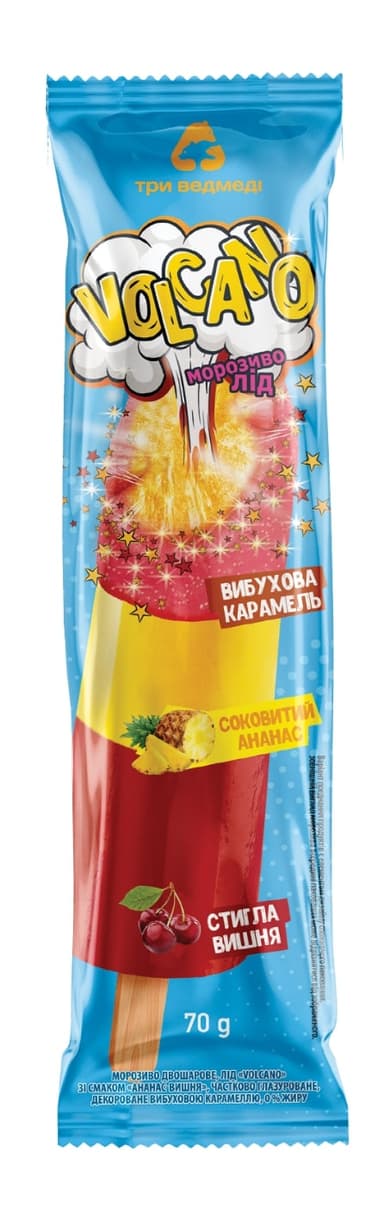
Ice cream "THREE BEARS" TM "Ice-boom" "Volcano" multilayer stick,70g, 70 ml
AURUM Pineapple-flavored Sorbet, 150ml
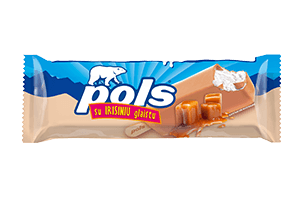
POLS vanilla-flavored ice cream with toffee-flavored glaze 120ml
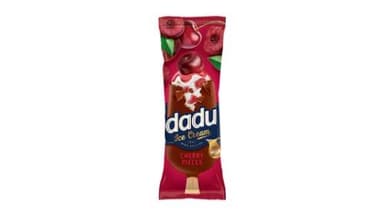
Chocolate gl. vanilla ice cr. DADU, w cherry piec. & cherr. 100ml/63g

Balbiino vanilla flavored cream ice cream with chocolate pieces
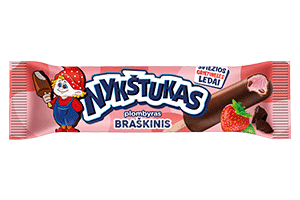
Strawberry Ice Cream THUMB, 80 ml
