
/
Frozen products
/Ice cream icecubes
/Ice cream portions
/Assorted fruit and berry ice cream JOCKER JUICE, 80 g
Assorted fruit and berry ice cream JOCKER JUICE, 80 g
128 people viewed this product
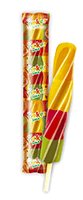
Assorted fruit and berry ice cream JOCKER JUICE, 80 g
Unlock Full Product Analysis
Get AI-powered ingredient breakdowns, personalized health insights, and smarter food choices — all inside Telegram.
Noticed incorrect or incomplete information about this product?
Report a problem?
Similar Products

Raks, Cream Ice Cream with Cookies
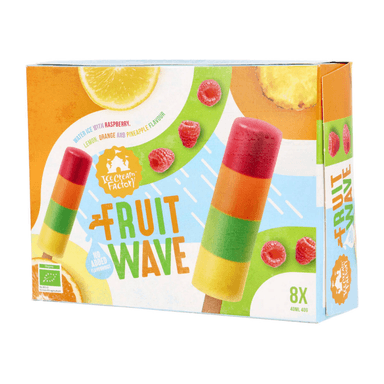
Fruit Wave fruit-flavored ice pops on a stick, organic
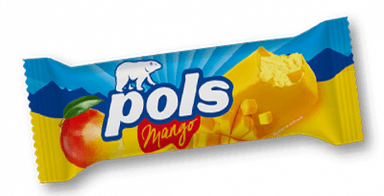
Creamy mango ice cream with mango glaze, 120 ml
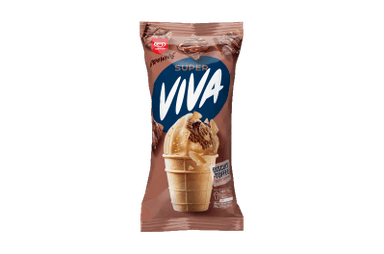
Ice Cream SUPER VIVA CUP BROWNIE 170ml

Onu Eskimo, Strawberry and Caramel Cream Ice Cream
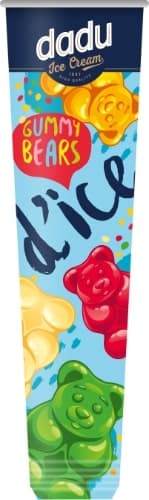
Ice cream DADU Dice, tropical fruit flavor, with gummies, 110 ml/ 110 g
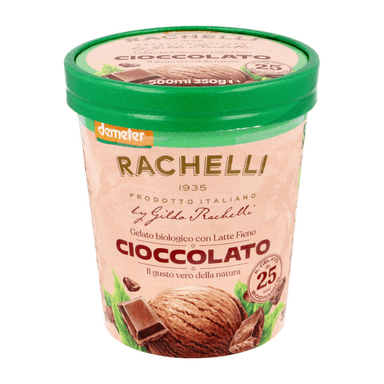
Chocolate creamy edible ice cream CIOCCOLATO, organic
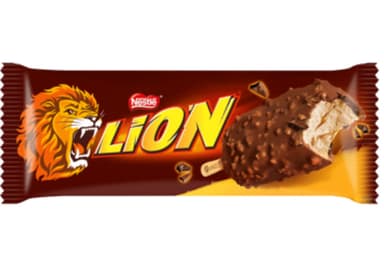
Edible ice cream LION, on a stick, 100ml
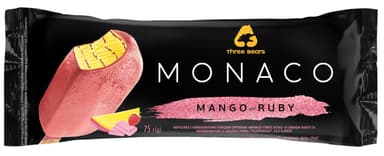
Ice cream MONACO Mango ruby TM "Mango-Ruby" glazed stick 75g, 140 ml
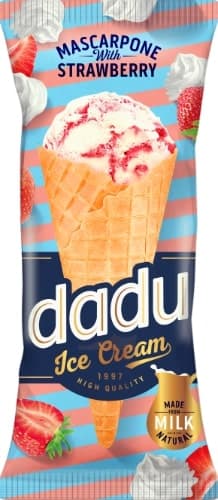
Mascarpone-flavored ice cream DADU, with strawberry filling 200 ml

Peppermint cream ice cream with chocolate pieces in waffle cone
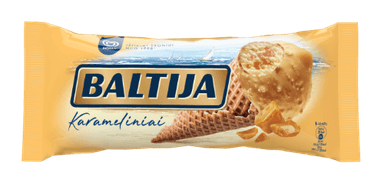
Condensed milk ice cream BALTIJA Toffee, with caramel filling, 140 ml
Ice cream "THREE BEARS" "Ice-boom" "Strawberry-kiwi-peach" multilayer,
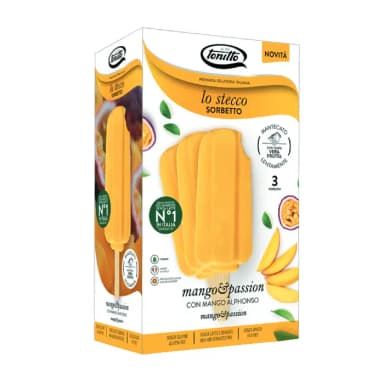
Mango-passion fruit sorbet by the portion
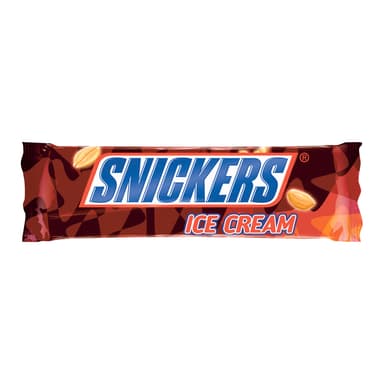
Ice-cream bar SNICKERS, 48 g
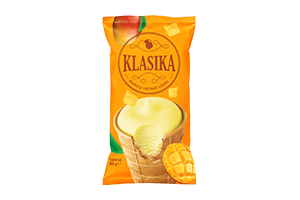
Mango-flavored ice cream in a waffle cup CLASSIC 120ml
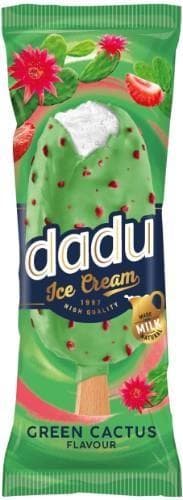
Vanilla ice cr. DADU, w cactus fl.glaze &strawberry piec., 100ml/63g
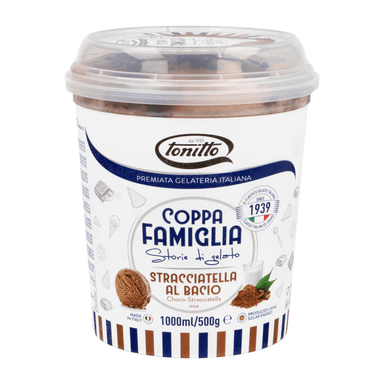
Edible ice cream STRACCIATELLA
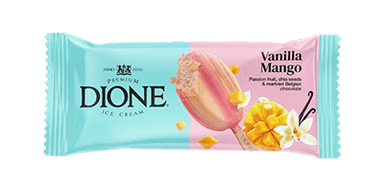
DIONE vanilla mango ice cream 90 ml
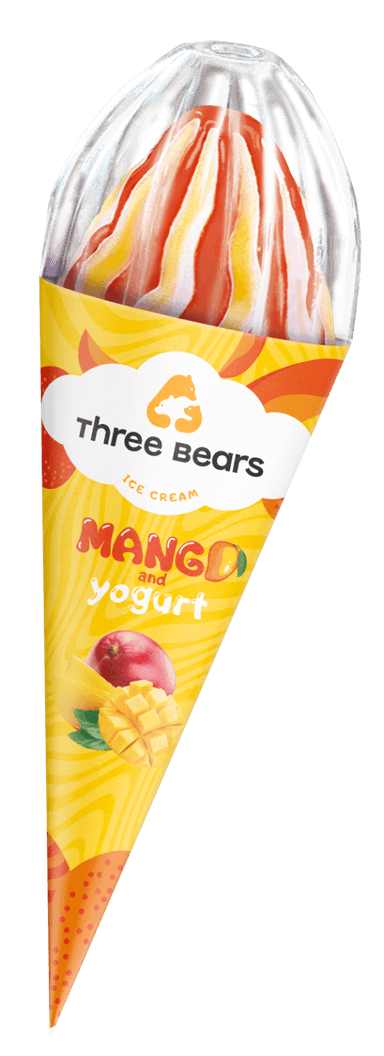
Ice cream "THREE BEARS" TM "Mango-yogurt" waffle cone, 150 g, 270 ml
MAGNUM DOUBLE SUNLOVER Ice Cream 85 ml
Ice cream with macadamia nuts AURUM 100ml
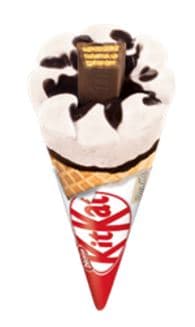
Edible ice cream KITKAT, vanilla, cocoa flavor, with KitKat waffle,110
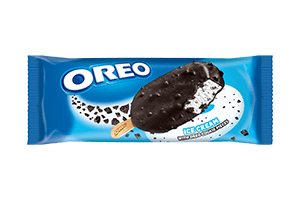
Cream-flavored ice cream with OREO cookies 65g
