
/
Bread products and confectionary
/Confectionary
/Buns muffins pretzels cakes
/Croissant 7 DAYS, with vanilla and cherry flavored filling, 60 g
Croissant 7 DAYS, with vanilla and cherry flavored filling, 60 g
101 people viewed this product
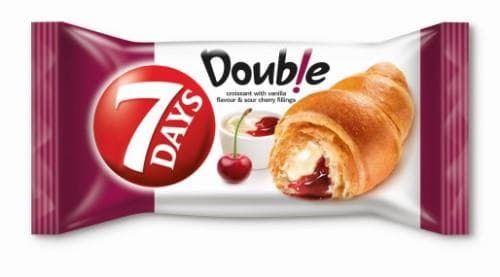
Croissant 7 DAYS, with vanilla and cherry flavored filling, 60 g
Unlock Full Product Analysis
Get AI-powered ingredient breakdowns, personalized health insights, and smarter food choices — all inside Telegram.
Noticed incorrect or incomplete information about this product?
Report a problem?
Similar Products
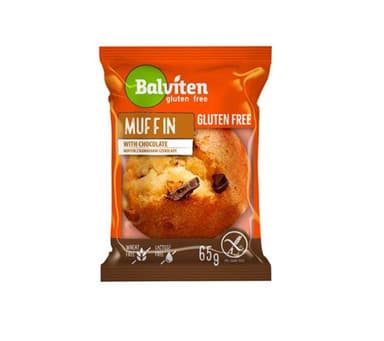
Muffin BALVITEN GLUTEN FREE, with dark chocolate, 65 g
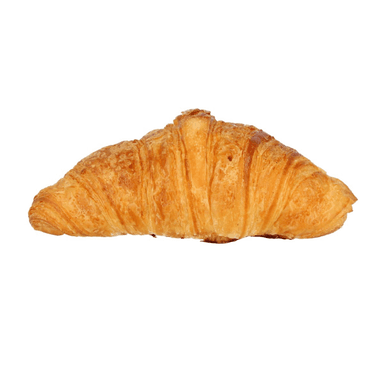
Croissant, buttery, MINDAGAS BAKERY

Napoleonitas Pastries
Mini wheat bagels SALNA, glazed, 150 g
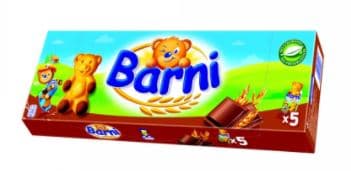
Biscuit BARNI Choco, 150 g
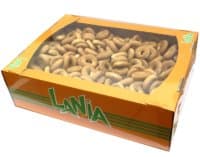
Vanilla crisps, (2,5) kg
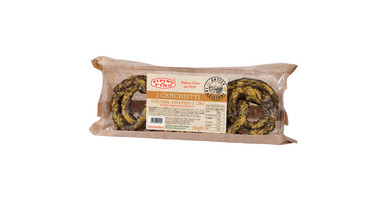
Bagels with turmeric, poppy seeds, and flaxseeds
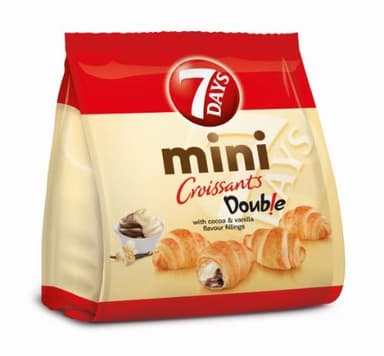
Mini croissants 7 DAYS, with cocoa and vanilla flavor filling, 185 g
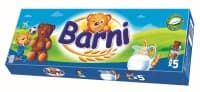
Biscuits BARNI Milk, 150 g
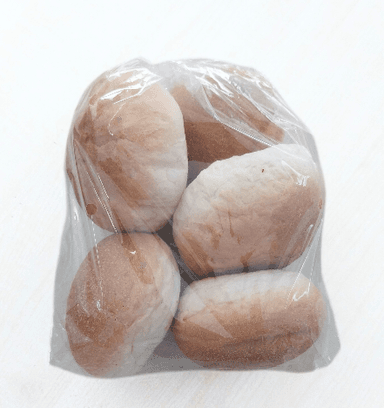
Breakfast bun, 70g x 50 pcs.

Hard wheat bagels SAUDYKLELE, 1,5 kg
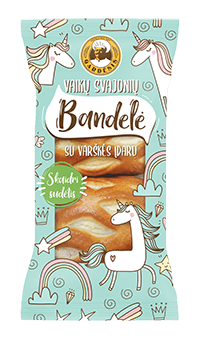
GARDĖSIO KIDS' DREAM pastries, 130 g
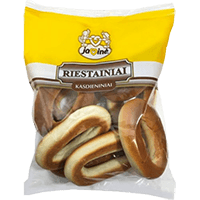
Daily bagels, 300 g
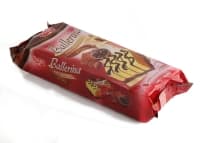
Cookies BALLERINA, cacao, 8 pcs in pack, 240 g
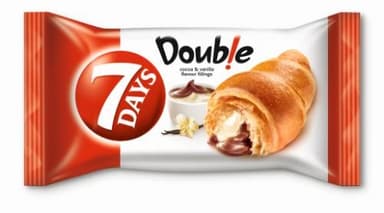
Croissant 7 DAYS, with cocoa and vanilla flavor filling, 60 g
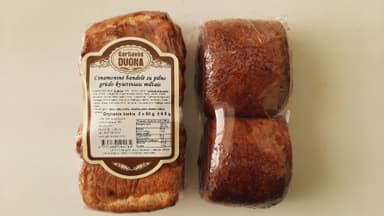
Cinnamon bun with whole grain wheat flour 2x60g(M)
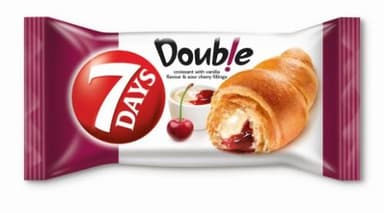
Croissant 7 DAYS, with vanilla and cherry flavored filling, 60 g
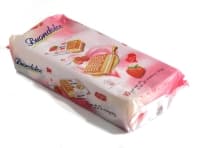
Cookies BUONDONCE, strawberry, 250 g, 10 vnt.
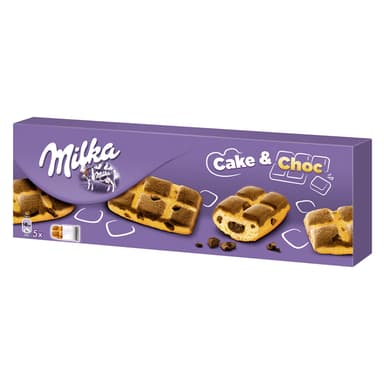
Biscuits MILKA Cake & Choco, 175 g
Poppy Seed Bagels 300g
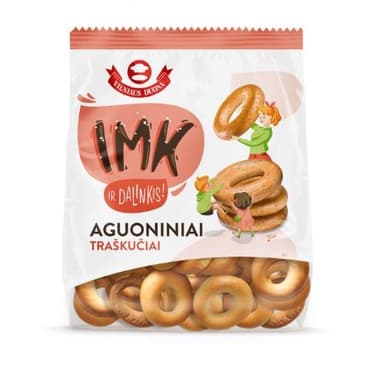
Hard wheat bagels AGUONĖLĖ, 250 g
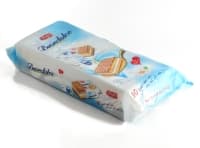
Cookies BUONDONCE, milk, 250 g, 10 vnt.
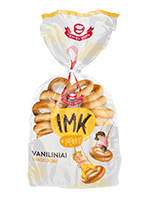
Vanilla Crisps IMK, 300 g
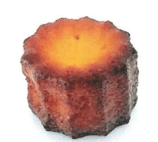
French delicacies canelles with mango, 1 kg (24 vnt x 42g)
