
/
Frozen products
/Bread and bread products
/Donuts muffins
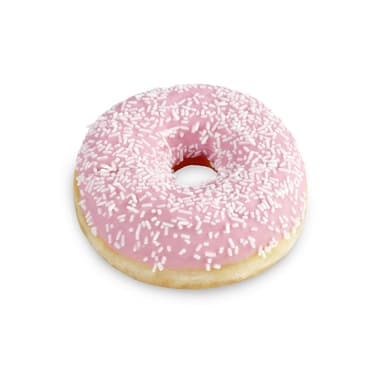
/Donut DOTS Yellow Frutti, frozen, 56 g x 36 pcs.
Donut DOTS Yellow Frutti, frozen, 56 g x 36 pcs.
116 people viewed this product
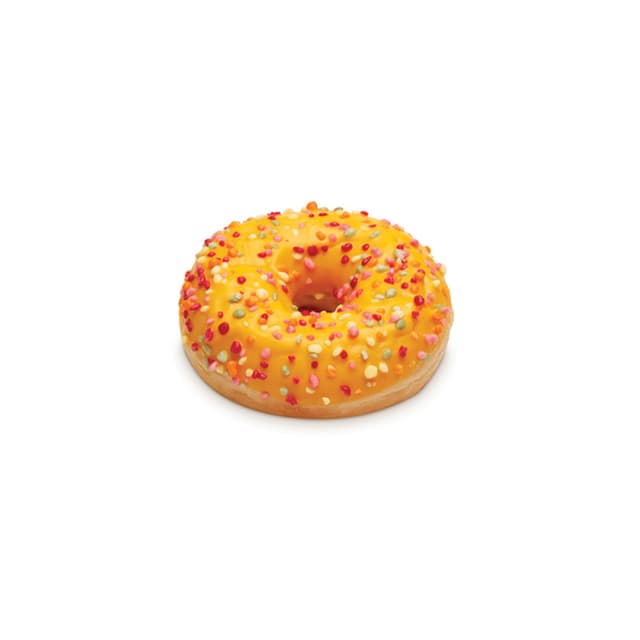
Donut DOTS Yellow Frutti, frozen, 56 g x 36 pcs.
Unlock Full Product Analysis
Get AI-powered ingredient breakdowns, personalized health insights, and smarter food choices — all inside Telegram.
Noticed incorrect or incomplete information about this product?
Report a problem?
Similar Products
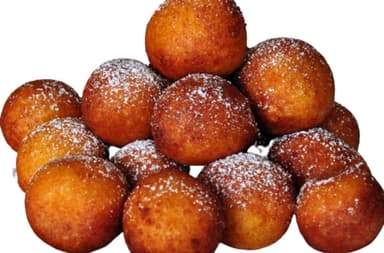
Frozen curd doughnuts, 20g x 50 pcs
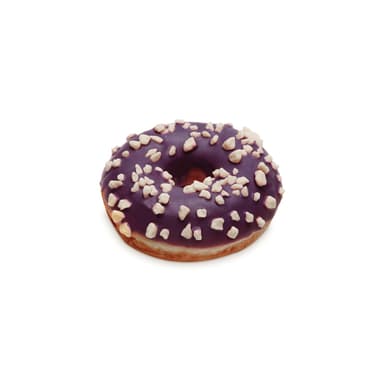
Donut DOTS Purple White, frozen, 57 g x 36 pcs.
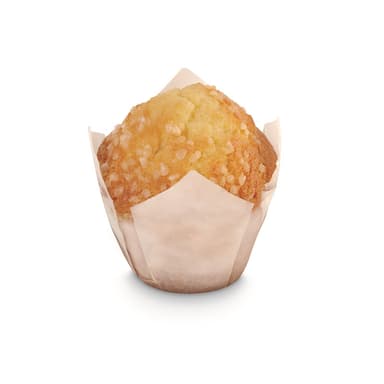
Muffins LES TULIPES lemon flavor, american, frozen, 90g
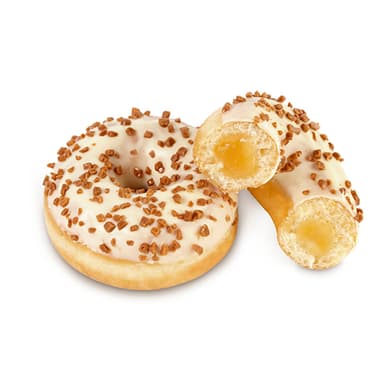
Donut DOTS, with caramel filling and sprinkles, frozen, 73 g
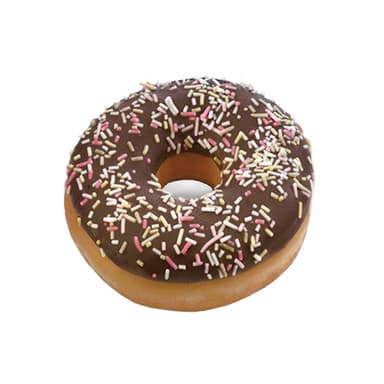
Donut DOTS, with chocolate glaze and sprinkles, american, frozen, 55 g
Frozen donut with fruit filling 175 x 25 g
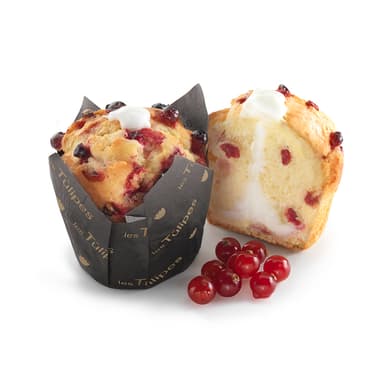
Muffins LES TULIPES, with cranberries, yogurt, american, frozen, 110 g
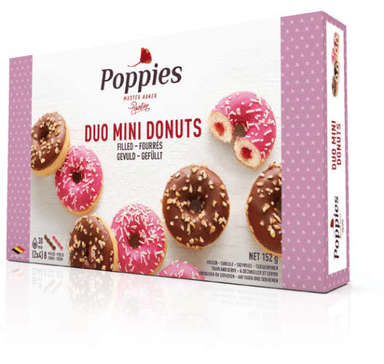
Frozen mini donuts POPPIESDUO, 152 g
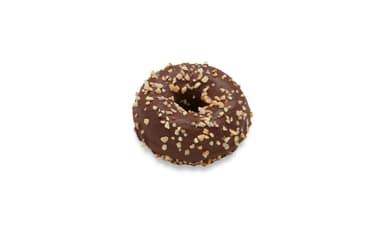
Donut DOTS, with dark chocolate and nut pieces glaze, American, 64 g x
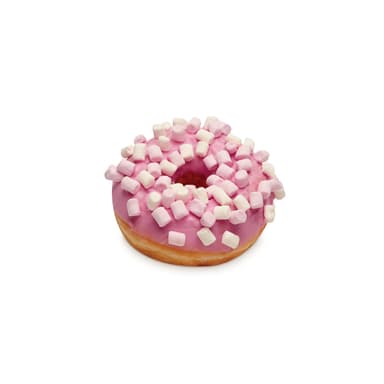
Donut DOTS Marshmallow, frozen, 59 g x 36 pcs.
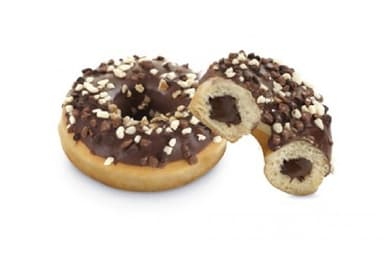
Donut DOTS, with chocolate filling and chocolate sprinkles, frozen,75g
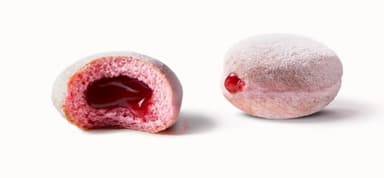
Frozen donuts with berries filling, 105 x 25g
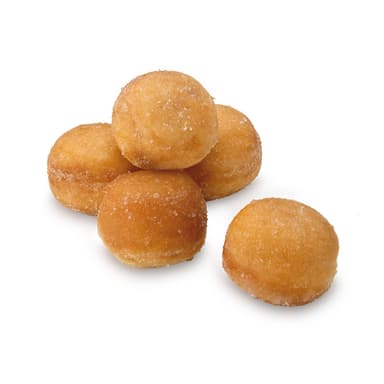
Donut DOTS Mini, with sugar, frozen, 12 g
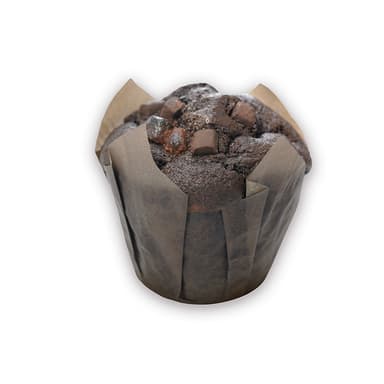
Muffins LES TULIPES chocolate, american, frozen, 90g
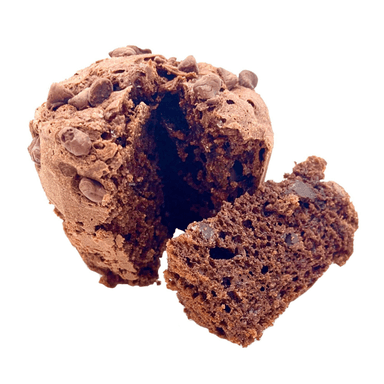
Chocolate muffin with chocolate chunks, frozen, gluten-free
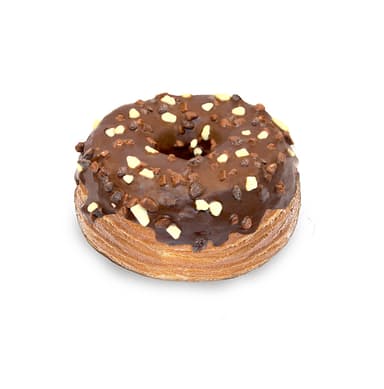
Donut CRODOTS, with chocolate glaze, sprinkles, american, frozen, 95 g
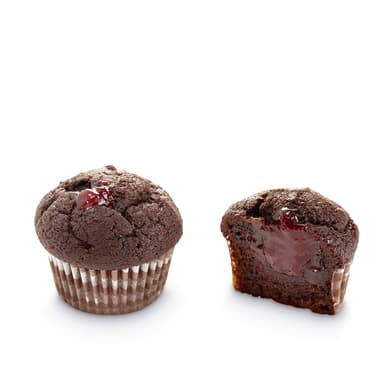
Muffins LES TULIPES Mini, chocolate, strawberry jam, frozen, 28 g
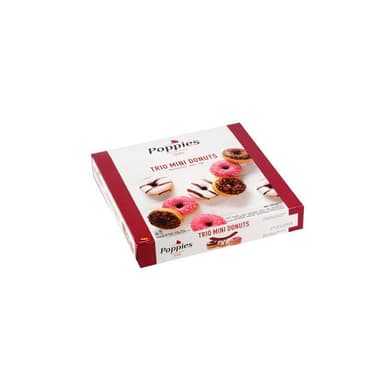
Mini donuts POPPIES,, 9 pcs., 250g
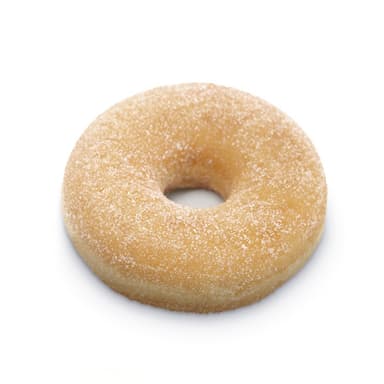
Donut DOTS, with sugar, american, frozen, 49 g
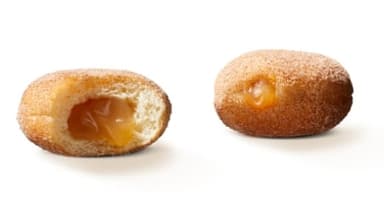
Frozen donuts with apple and cinnamon sugar, 105 x 25g
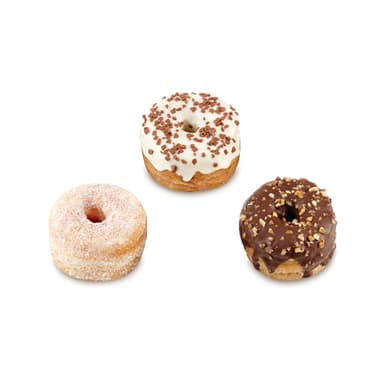
Mini donuts CRODOTS Assortment, frozen, 40 g x 54 pcs.
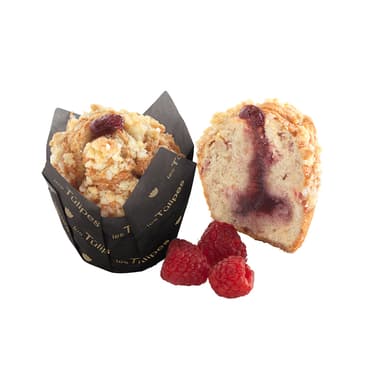
Muffins LES TULIPES, with raspberries, cheesecake, frozen, 110 g,62150
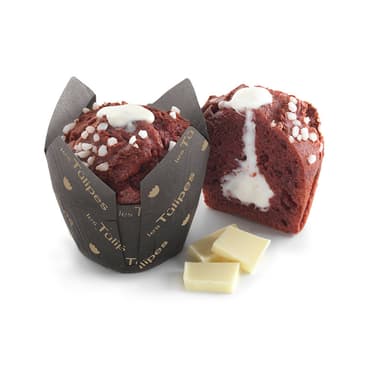
Muffins LES TULIPES,Red Velvet, white chocolate, american, frozen,110g
Donut DOTS, with pink glaze, american, frozen, 60 g
