
/
Frozen products
/Bread and bread products
/Croissants
/Frozen butter French croissant GOURMAND, with ham and cheese filling, 100g x 30pcs.
Frozen butter French croissant GOURMAND, with ham and cheese filling, 100g x 30pcs.
82 people viewed this product
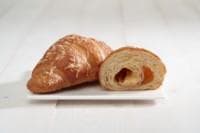
Frozen butter French croissant GOURMAND, with ham and cheese filling, 100g x 30pcs.
Unlock Full Product Analysis
Get AI-powered ingredient breakdowns, personalized health insights, and smarter food choices — all inside Telegram.
Noticed incorrect or incomplete information about this product?
Report a problem?
Similar Products

Frozen butter French croissant GOURMAND, 70g x 40 pcs.

Frozen butter French croissant DELIFRANCE, 55g x 25 pcs.

Frozen butter French croissant GOURMAND, 55g x 35pcs. (M)
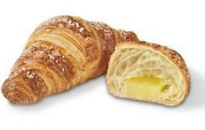
Frozen croissant with custard filling, 100 g x 25 pcs
Frozen croissant with cocoa and hazelnut filling, 90 g x 30 pcs
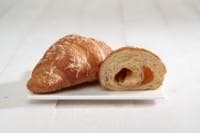
Frozen butter French croissant GOURMAND, with ham and cheese filling, 100g x 30pcs.
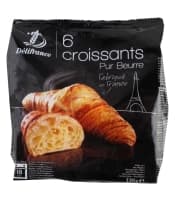
Frozen butter French croissant DELIFRANCE, 55g x 6 pcs. (M)

Frozen croissant with raspberry filling, 90 g x 20 pcs

Frozen small French croissant GOURMAND, 25g x 75pcs.
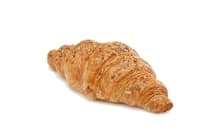
Frozen butter French croissant GOURMAND, with various grains, 80g x 30pcs.

Frozen butter French croissant DELIFRANCE, 90g x 20 pcs.
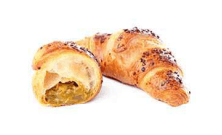
Frozen croissant DELIFRANCE with pistachio filled,90gx24

Frozen butter French croissant DELIFRANCE with chocolate and nuts, 90g x 12 pcs.
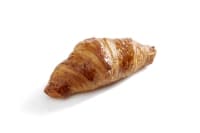
Frozen small butter French croissant GOURMAND, 25g x 75pcs. (M)

Frozen croissant with apricot filling, 90 g x 20pcs

Frozen French buttery croissant GOURMAND, praline filling and chocolat

Frozen small butter French croissant DELIFRANCE, 25g x 10 pcs. (M)
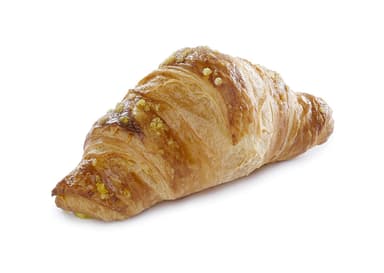
Frozen French croissant GOURMAND with apricot filling, 45g x 108 pcs.
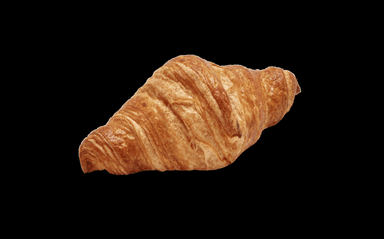
Frozen French croissant EUROPASTRY, 45 g x 180 pcs.
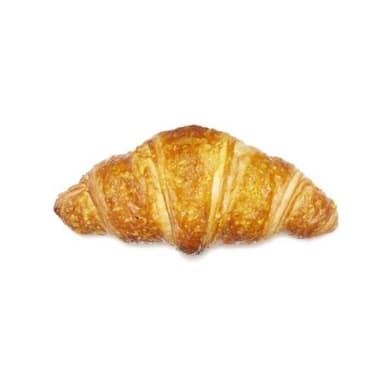
Frozen butter French croissant GOURMAND, with apricot filling, 45g x 36pcs.

Frozen croissant with almond filling, 95 g x 30 pcs
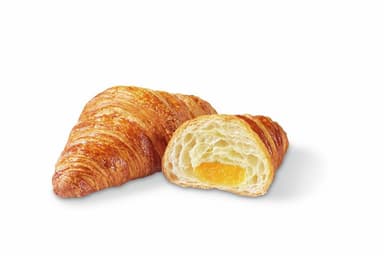
Frozen croissant DELIFRANCE with lemon custard,90gx120ps

Frozen butter French croissant GOURMAND, with cheese filling, 100g x 30 pcs.
