
Italian snack with backon and Bechamel sauce, 125 g
114 people viewed this product
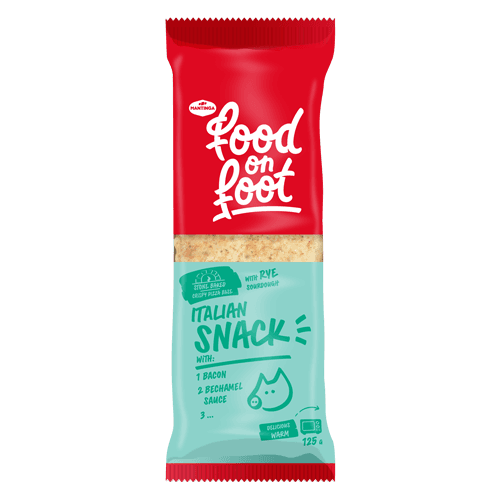
Italian snack with backon and Bechamel sauce, 125 g
Unlock Full Product Analysis
Get AI-powered ingredient breakdowns, personalized health insights, and smarter food choices — all inside Telegram.
Noticed incorrect or incomplete information about this product?
Report a problem?
Similar Products
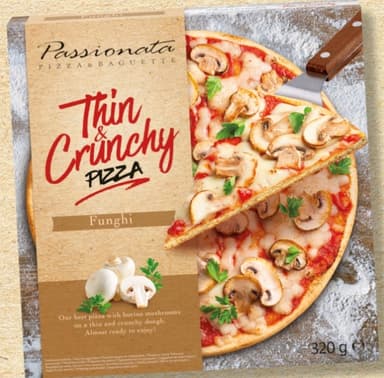
Frozen pizza PASSIONATA FUNGHI with mushrooms, 320 g
Italian Snack with Ham, 125 g
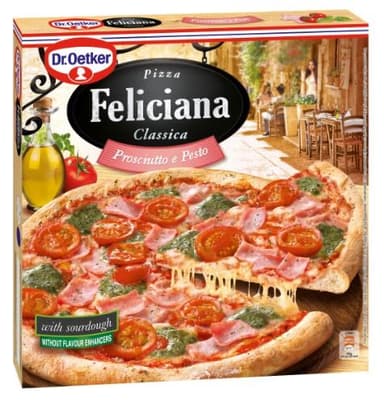
Frozen pizza FELICIANA Prosciutto e Pesto, 360 g
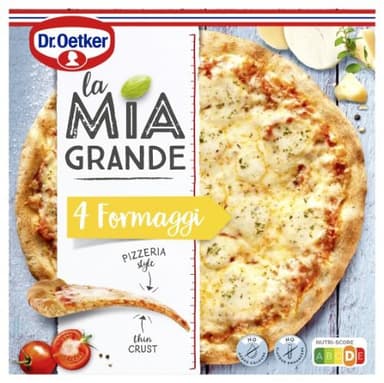
Frozen pizza LA MIA GRANDE 4 Formaggi, 400 g
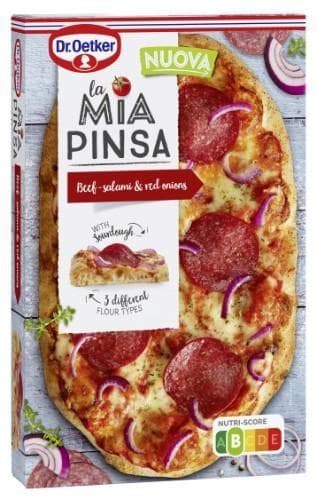
Frozen pizza DR.OETKER La Mia Pinsa Beef Salami, 305 g
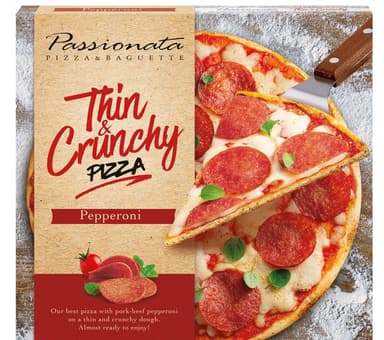
Frozen pizza PASSIONATA Pepperoni, with pork and beef, 310 g.

Dr.Oetker Ristorante Hawaii Pizza
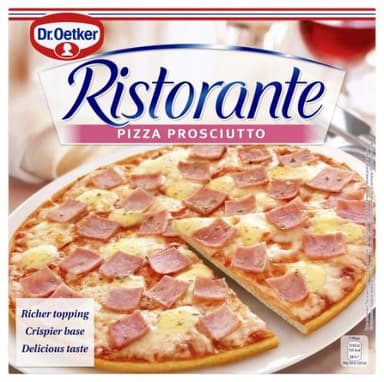
Frozen pizza RISTORANTE Prosciutto, 340 g
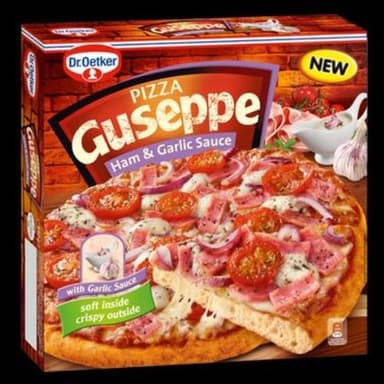
Pizza Guseppe Ham Garlic Sauce 440g

Grandiosa Hawaii Pizza
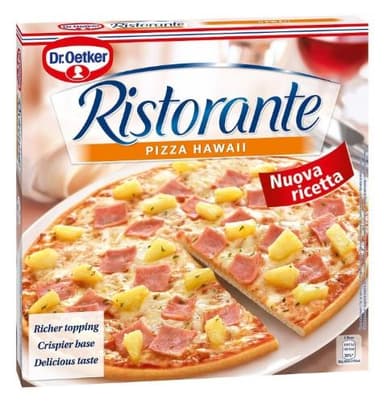
Pizza RISTORANTE Hawaii , 355 g
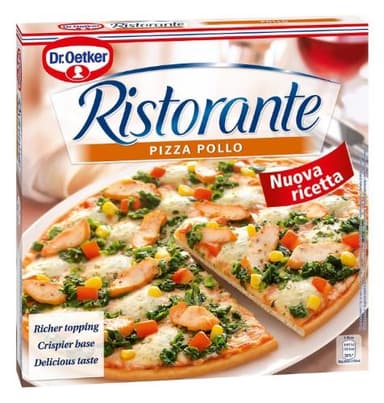
Frozen pizza RISTORANTE Pollo, 355g

Gluten-Free Pizza with Lactose-Free Mozzarella and Smoked Salami
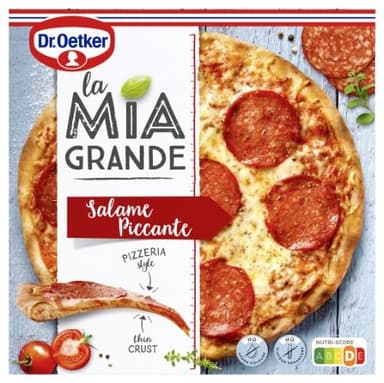
Frozen pizza LA MIA GRANDE Salame Piccante, 380g
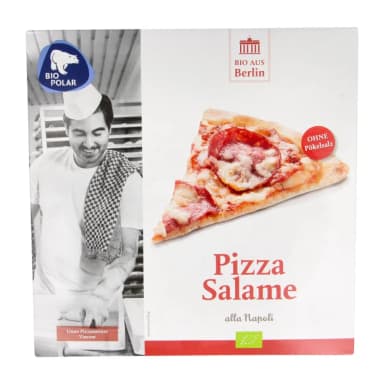
Frozen organic salami pizza
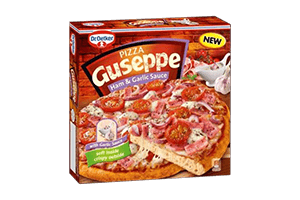
Frozen pizza with ham and garlic sauce GUSEPPE 440g
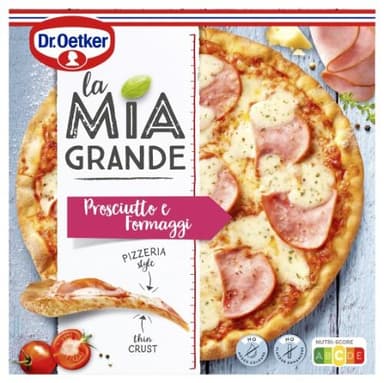
Frozen pizza LA MIA GRANDE Prosciutto e Formaggi, 400 g
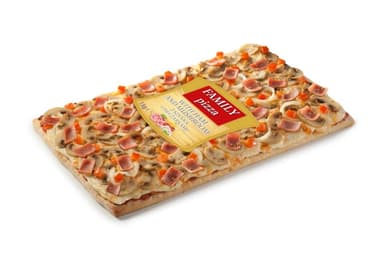
Frozen pizza FAMILY, with pork ham and mushrooms, 1kg
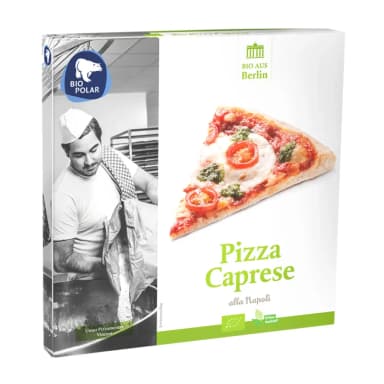
CAPRESE Pizza, frozen, organic

Pizza Roll
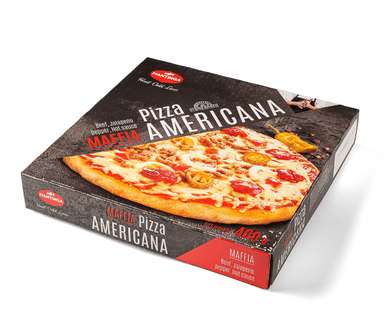
Pizza MAFFIA, 400 g
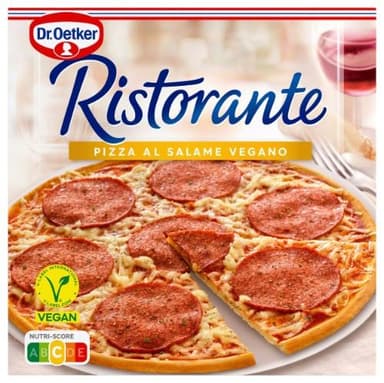
Frozen pizza RISTORANTE Salame vegan, 295g
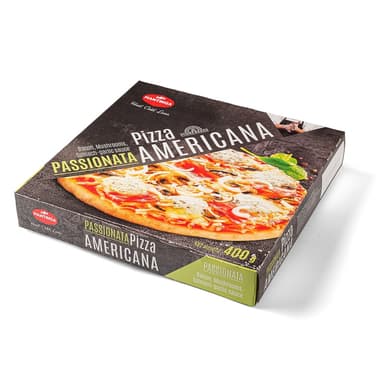
Pizza PASSIONATA, 400 g
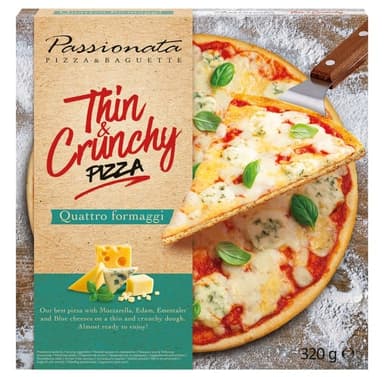
Frozen pizza PASSIONATA Quattro formaggi, 4 cheeses, 320 g
